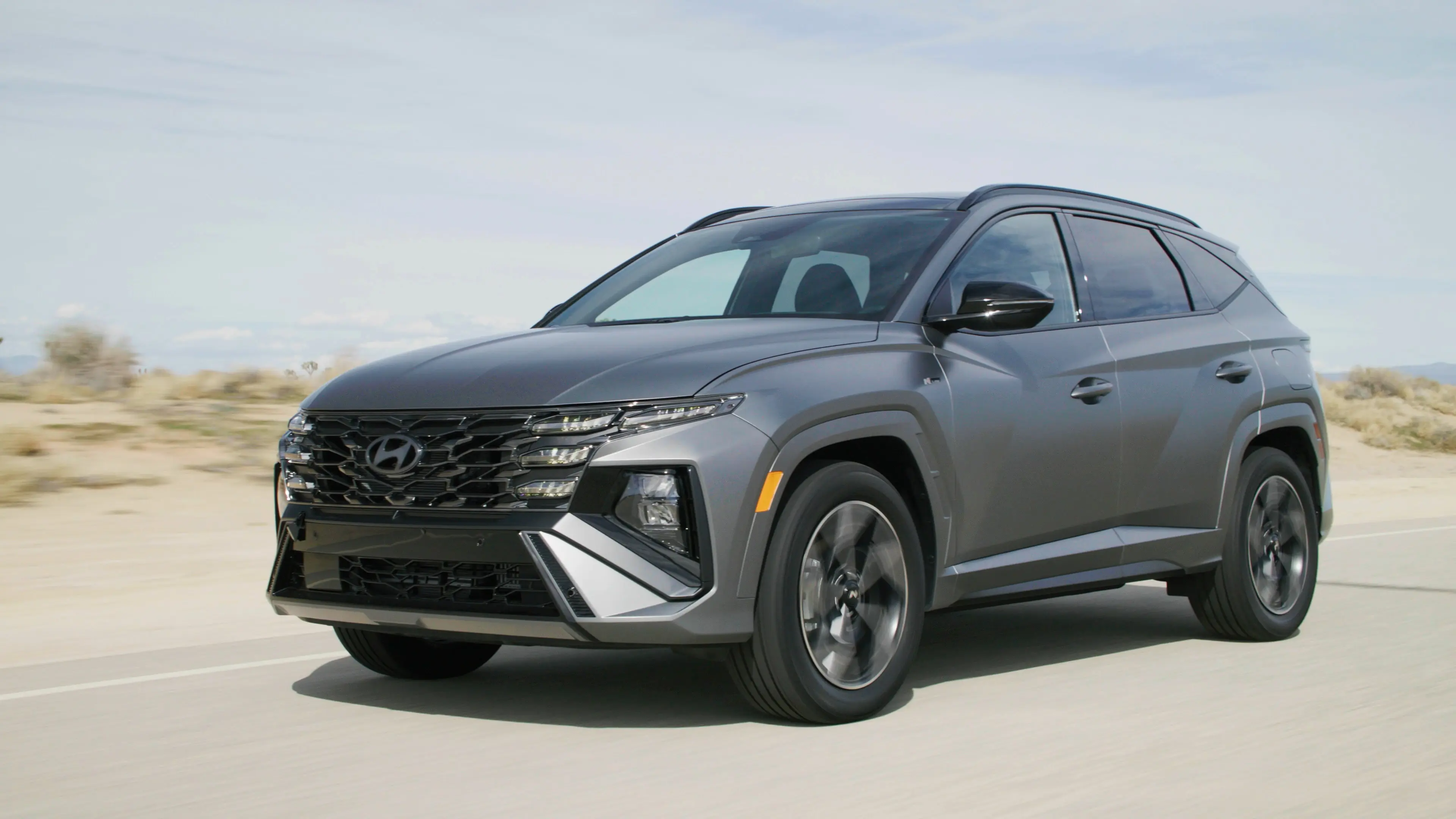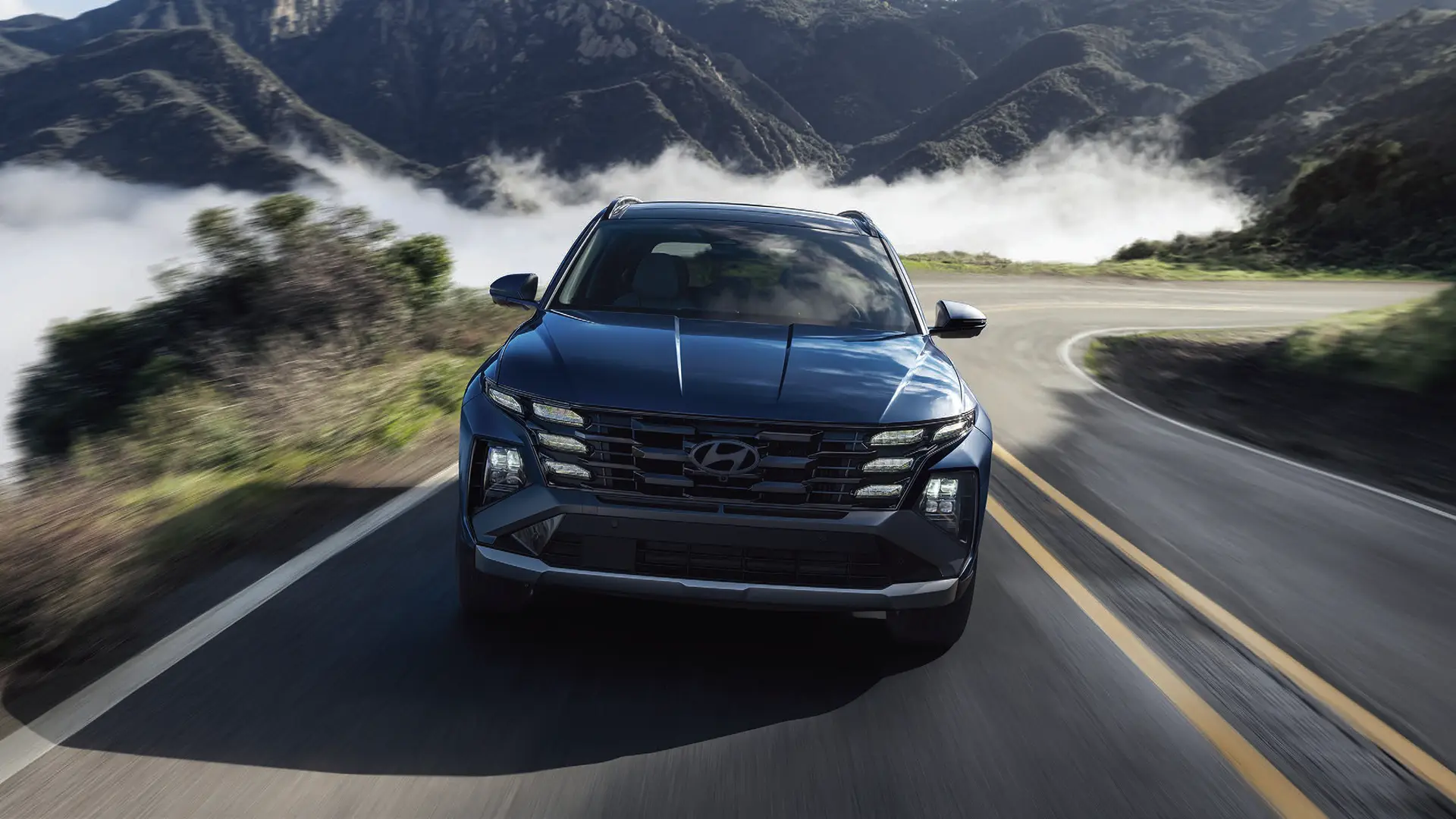
When manufacturers update a car, the headlines usually focus on styling, technology or performance.
For the Hyundai Tucson, that story had already been told.
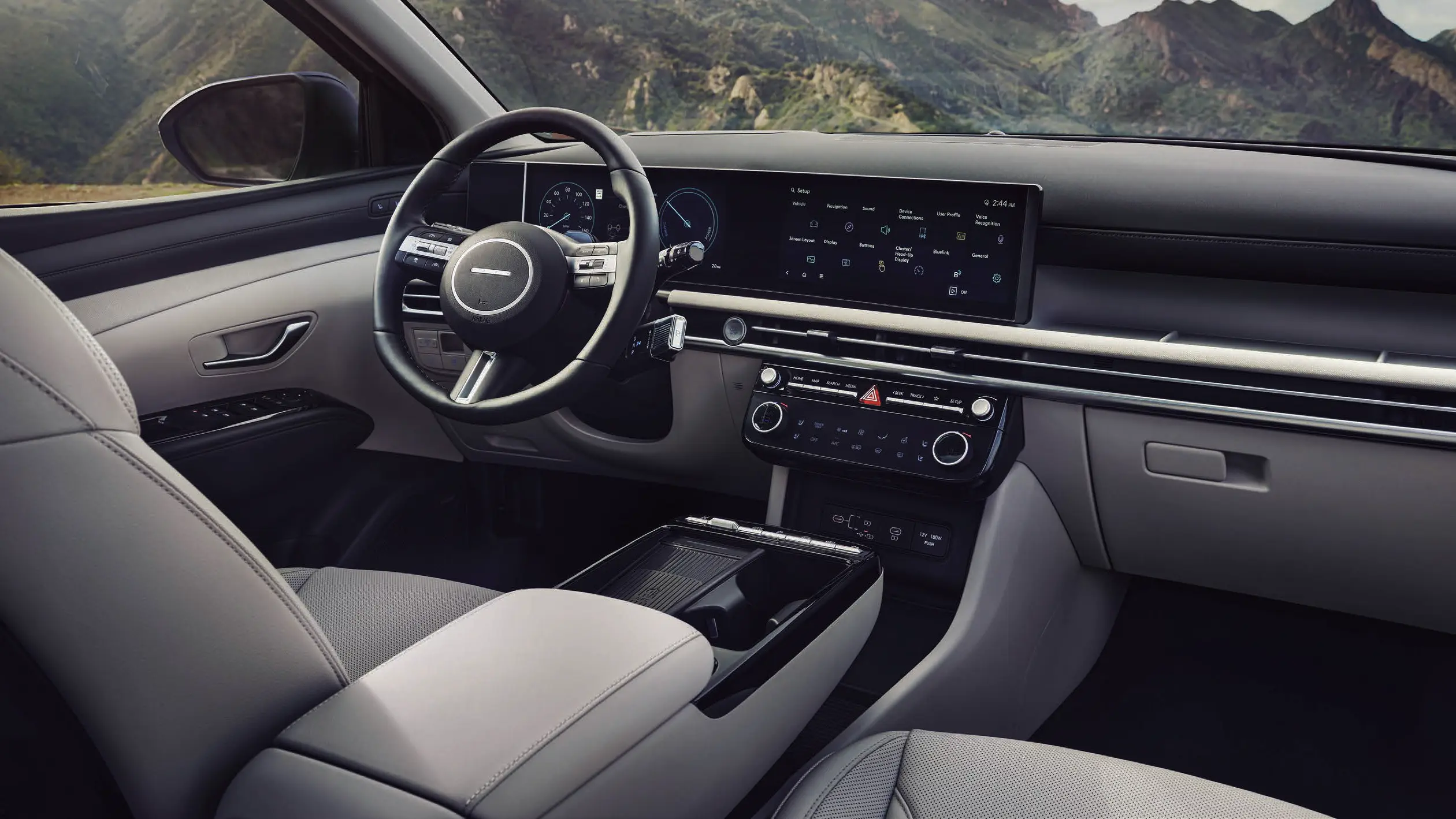
The major facelift arrived with the 2025 model, bringing a redesigned dashboard, refreshed styling and improved technology. On the surface, the 2026 Hyundai Tucson appears almost unchanged.
But beneath that familiar exterior lies one of Hyundai Australia's most significant product strategy decisions in years.
The car barely changed. The lineup did.
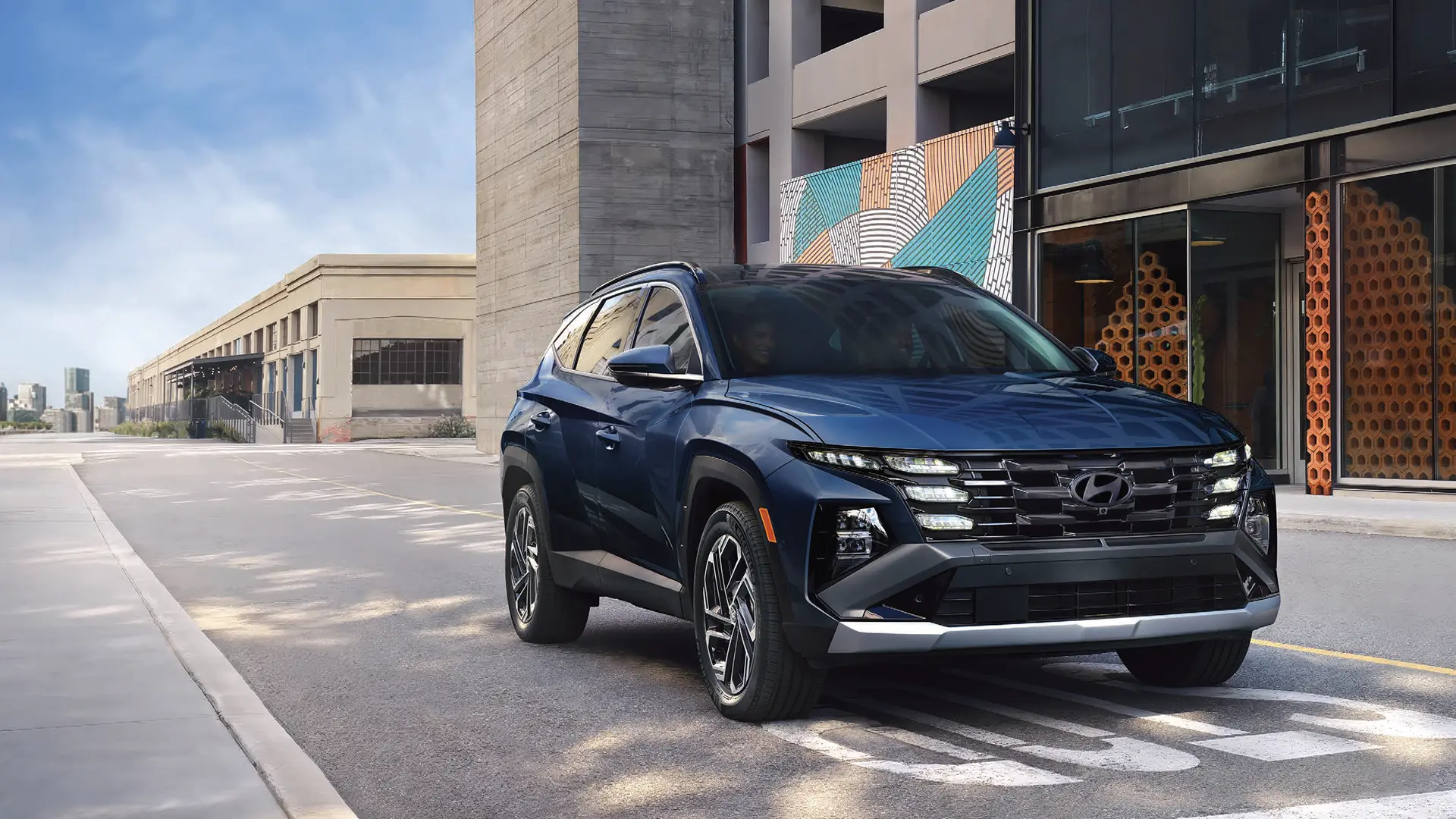
The Update Most Buyers Probably Missed
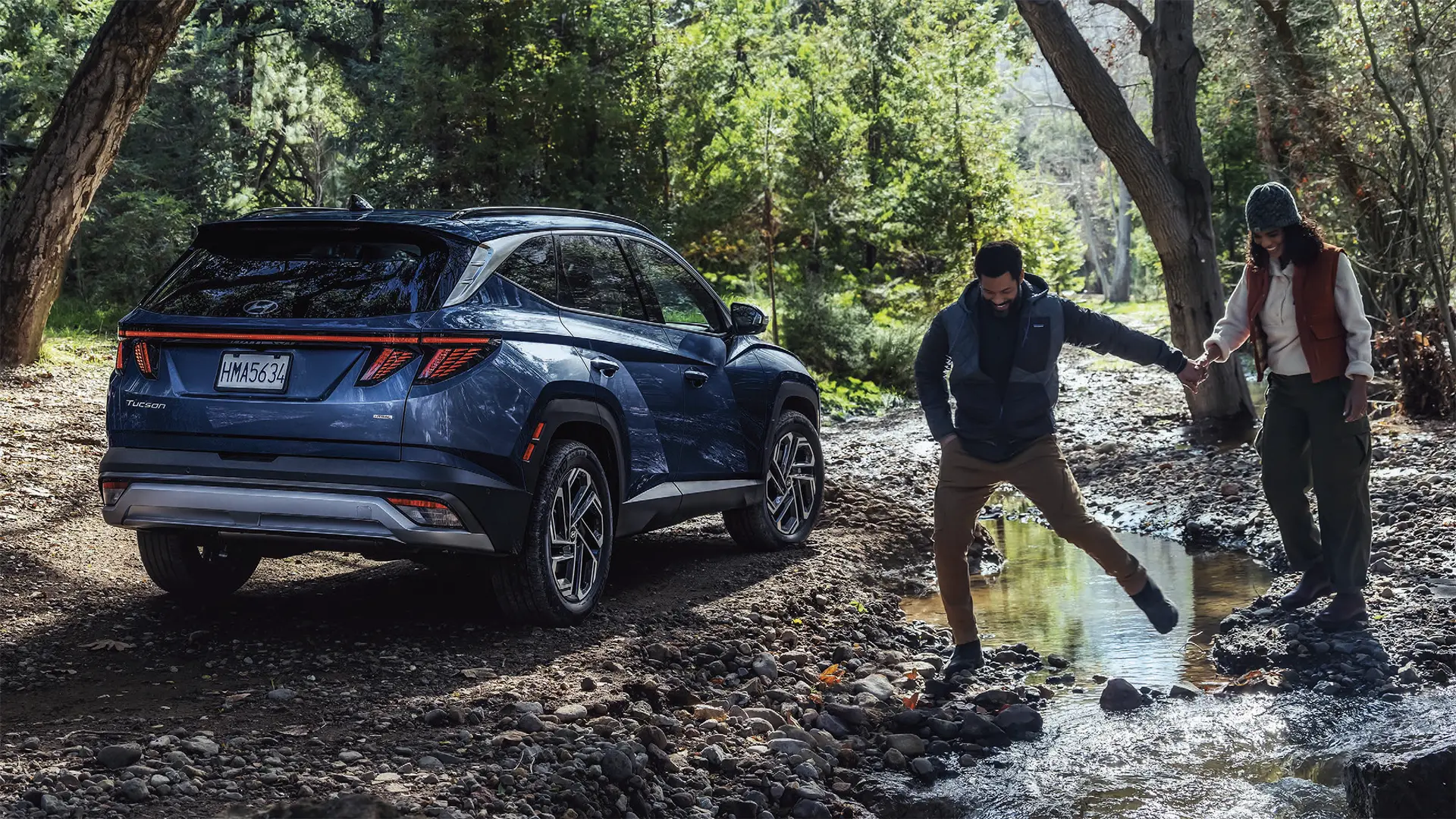
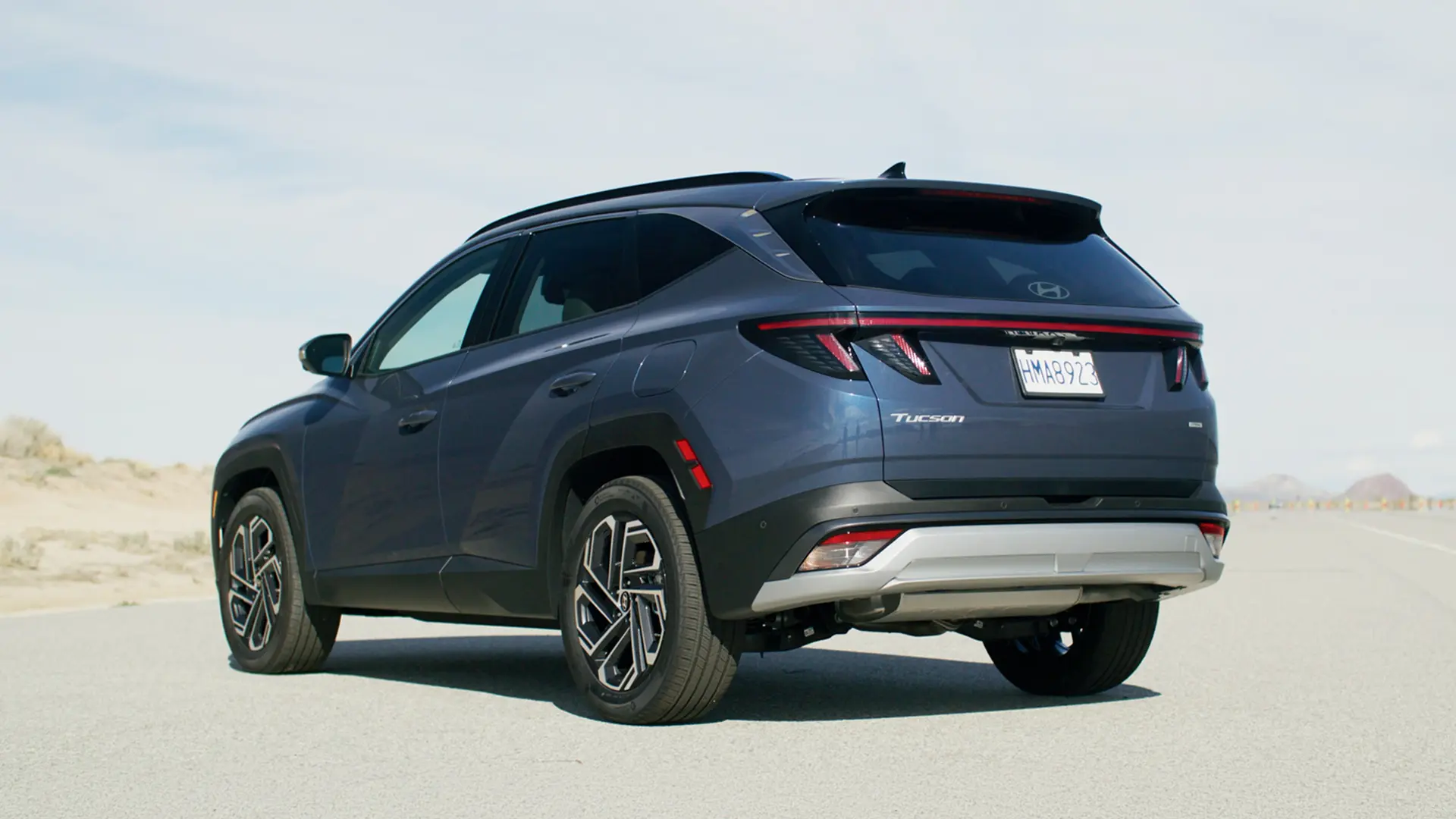
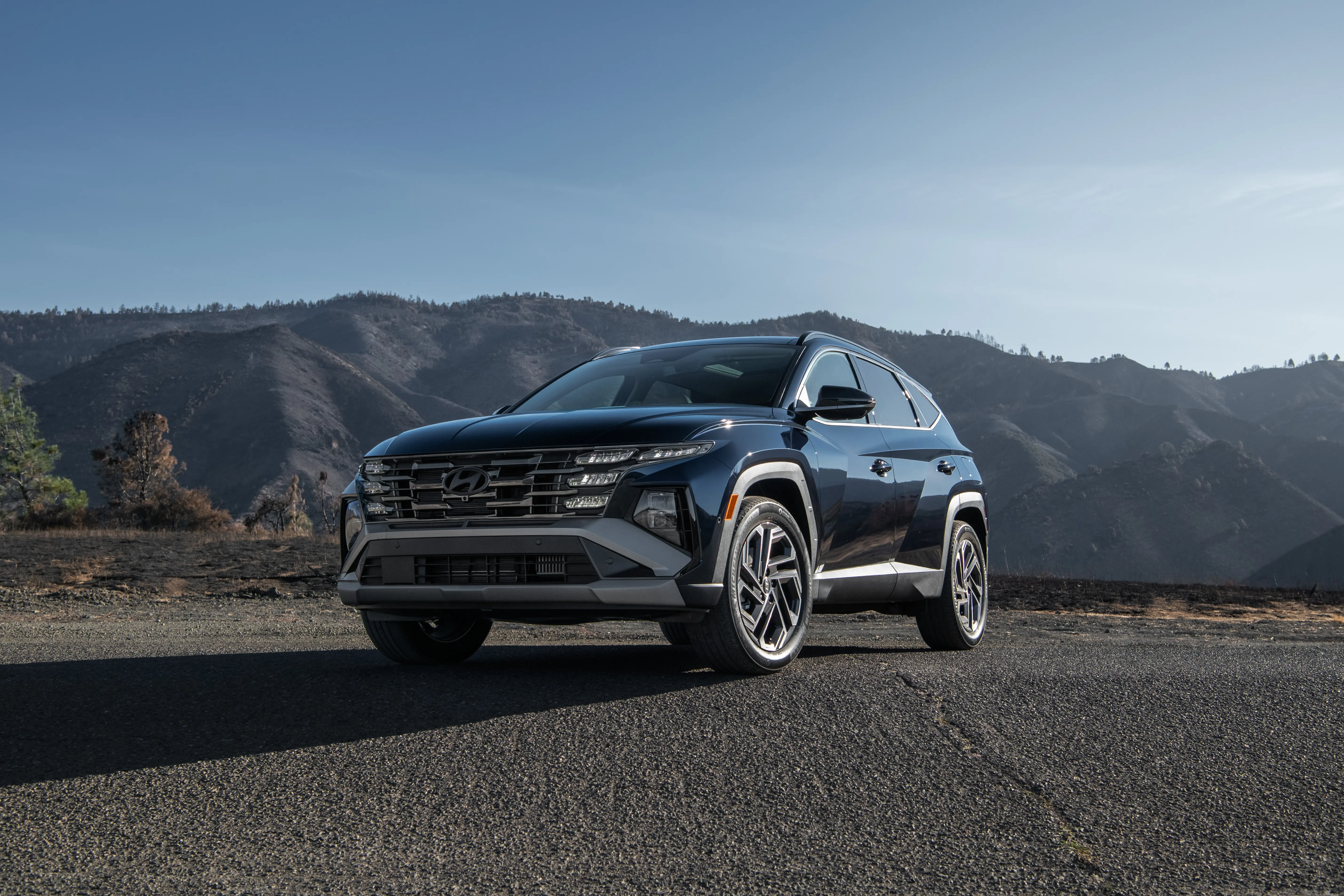
Park a 2025 Hyundai Tucson beside the latest 2026 model and you'll struggle to spot many visual differences.
That's because Hyundai wasn't trying to reinvent the Tucson for another model year.
Instead, the company quietly rethought how Australians buy one.
While the styling, interior and driving experience remain largely unchanged, the Australian range has undergone a dramatic simplification that many buyers may never notice until they begin comparing specifications.
The Biggest Changes Are Hidden in the Specification Sheet
On paper, the 2026 update introduces only a handful of visible improvements.
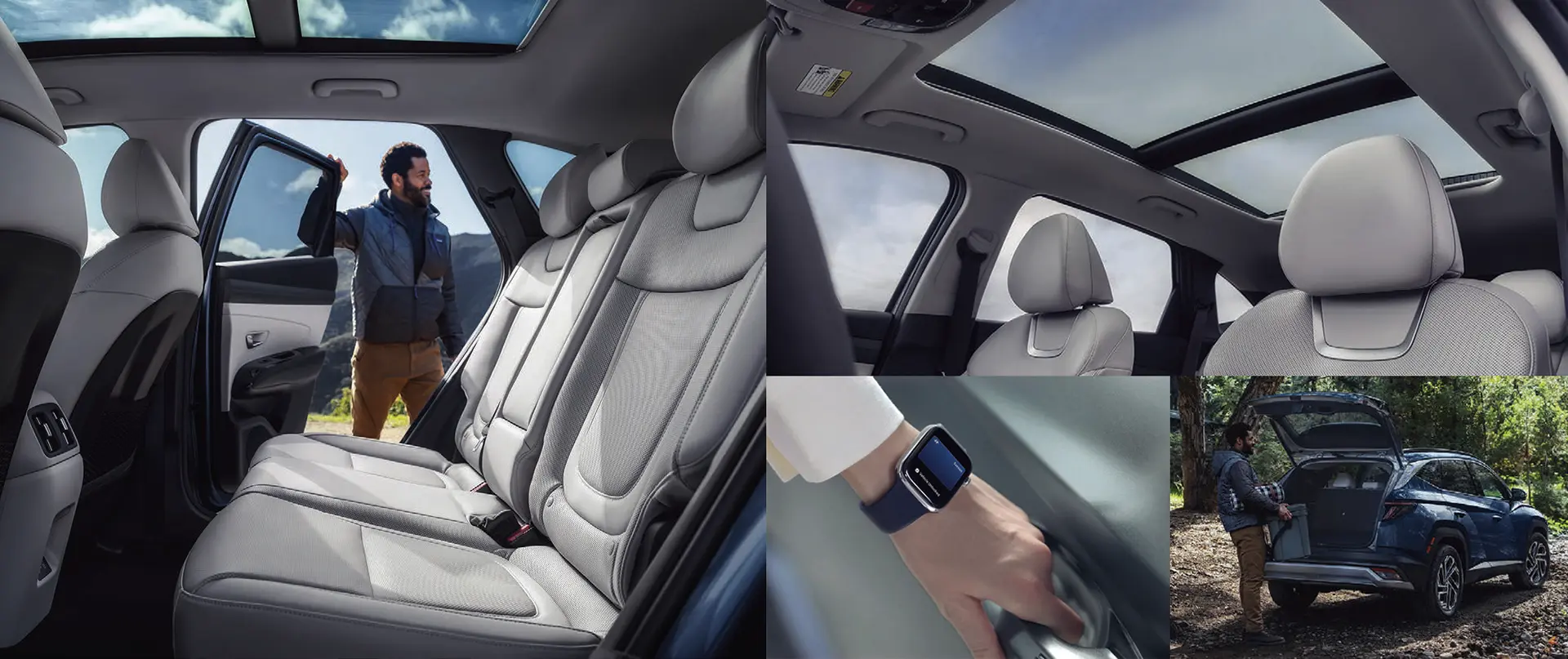
Digital Key 2 is now available across the entire range, allowing compatible smartphones to unlock, lock and start the vehicle.
A new Ecotronic Grey paint finish joins the colour palette.
Entry-level models now ride on 17-inch alloy wheels rather than the previous 18-inch design.
The N Line package has also been repositioned, becoming exclusive to higher trim levels.
Useful changes? Absolutely.
But none of them explain why the Tucson suddenly became more affordable.
From 17 Variants to Just 9
The real story is hidden in Hyundai Australia's ordering guide.
The Tucson lineup has been reduced from seventeen variants to just nine.
That represents one of the biggest simplifications seen in Australia's highly competitive medium SUV segment.
The all-wheel-drive 1.6-litre turbo-petrol model has disappeared, leaving buyers with a much simpler choice between the naturally aspirated 2.0-litre petrol engine or Hyundai's increasingly popular hybrid powertrain.
t first glance, fewer variants might appear to mean less value.
In reality, it reflects a deliberate shift towards simplicity.
Why Would Hyundai Reduce the Range?
From a business perspective, the strategy makes perfect sense.
Offering seventeen different combinations of engines, drivetrains and trim levels creates significant manufacturing complexity.
Every additional variant requires planning, production capacity, shipping allocation, dealer inventory and ongoing support.
By reducing those combinations, Hyundai streamlines the entire process.
Production becomes simpler. Dealer stock is easier to manage. Ordering is more straightforward. And those efficiencies help reduce costs.
Rather than offering every possible configuration, Hyundai has focused on the versions Australian buyers choose most often.
Lower Prices in a Market Where Prices Usually Rise
Perhaps the biggest surprise is pricing.
New model updates typically bring higher prices, particularly when additional technology becomes standard.
Hyundai has gone in the opposite direction.
Depending on the grade, equivalent Tucson models became between $1,000 and $2,500 more affordable.
Importantly, this wasn't achieved through discounting.
It was the result of simplifying the lineup itself.
For buyers, that means a lower entry price while also receiving more standard technology than before.
The Trade-Off
There is, however, one compromise.
Australian buyers don't currently receive the full range of powertrains available internationally.
Markets including Europe and North America continue to offer a broader selection, including plug-in hybrid versions that are not yet available in Australia.
That doesn't necessarily mean Australia has been overlooked.
Instead, Hyundai has tailored the local lineup to suit current market demand while continuing to expand its electrified offerings globally.
There's every chance additional powertrains will eventually arrive.
For now, Hyundai has chosen simplicity over variety.
Final Thoughts
Sometimes the biggest changes to a new vehicle aren't visible at all. For the 2026 Hyundai Tucson, Hyundai hasn't redesigned the SUV. It has redesigned the buying experience.
Fewer variants.
Lower prices.
Simpler choices.
It's a strategy that makes strong commercial sense while potentially making life easier for Australian buyers navigating one of the country's most competitive SUV segments.
The 2026 Tucson may not look dramatically different.
But behind the scenes, it tells an interesting story about where the automotive industry could be heading next.