Some cars become successful.
Others become legendary.
Then there are the handful that completely change the direction of the automotive industry.
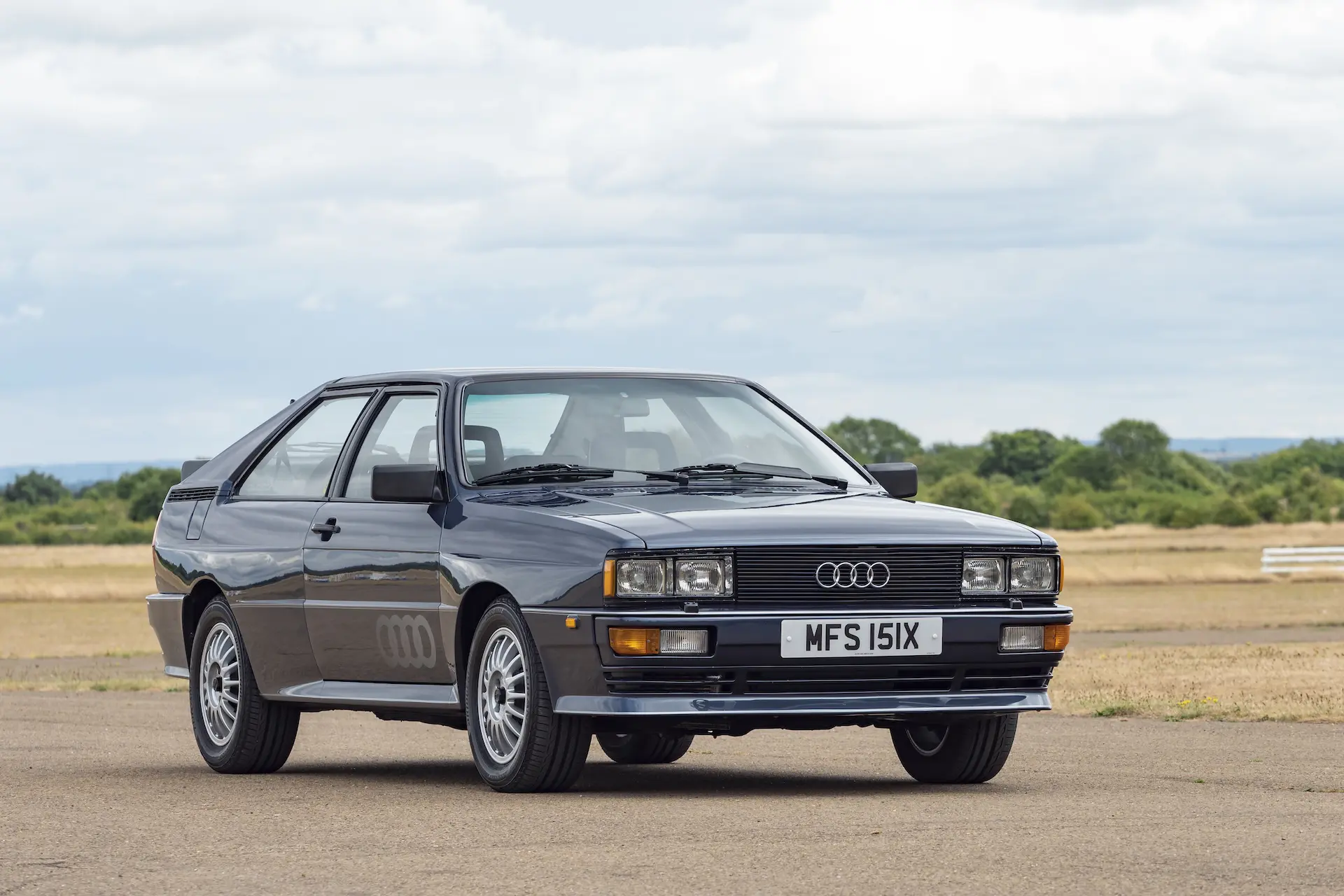
The 1982 Audi Quattro belongs firmly in that final category.
Today, it’s remembered as a rally icon, but when it arrived it represented something much bigger. Audi had taken technology normally reserved for military vehicles and off-road machines and packaged it into a fast, refined grand touring coupe. It wasn’t simply quicker than many of its rivals—it fundamentally changed the way performance could be delivered.
More than forty years later, nearly every performance manufacturer offers some form of intelligent all-wheel drive.
The Quattro was where that journey began.

A Different Way to Build a Performance Car
Power was sent to the rear wheels. Front-wheel drive was reserved for economy cars. Four-wheel drive belonged in trucks and off-road vehicles.
Audi questioned that thinking.
Instead of asking how to make a rear-wheel-drive sports car faster, its engineers asked a different question:
What if every wheel could help put the power down?
The answer was the Quattro.
Its permanent all-wheel-drive system transformed the way a performance car accelerated, cornered and inspired confidence. Rather than fighting for grip when conditions deteriorated, the Quattro simply found traction where others couldn’t.
Audi claimed that conventional understeer and oversteer were virtually eliminated, allowing higher cornering speeds while giving drivers greater confidence at the limit.
That philosophy would eventually become the foundation of Audi’s entire performance identity.

Turbocharged Power with Everyday Refinement
Power came from a remarkable engine that would become an Audi trademark.
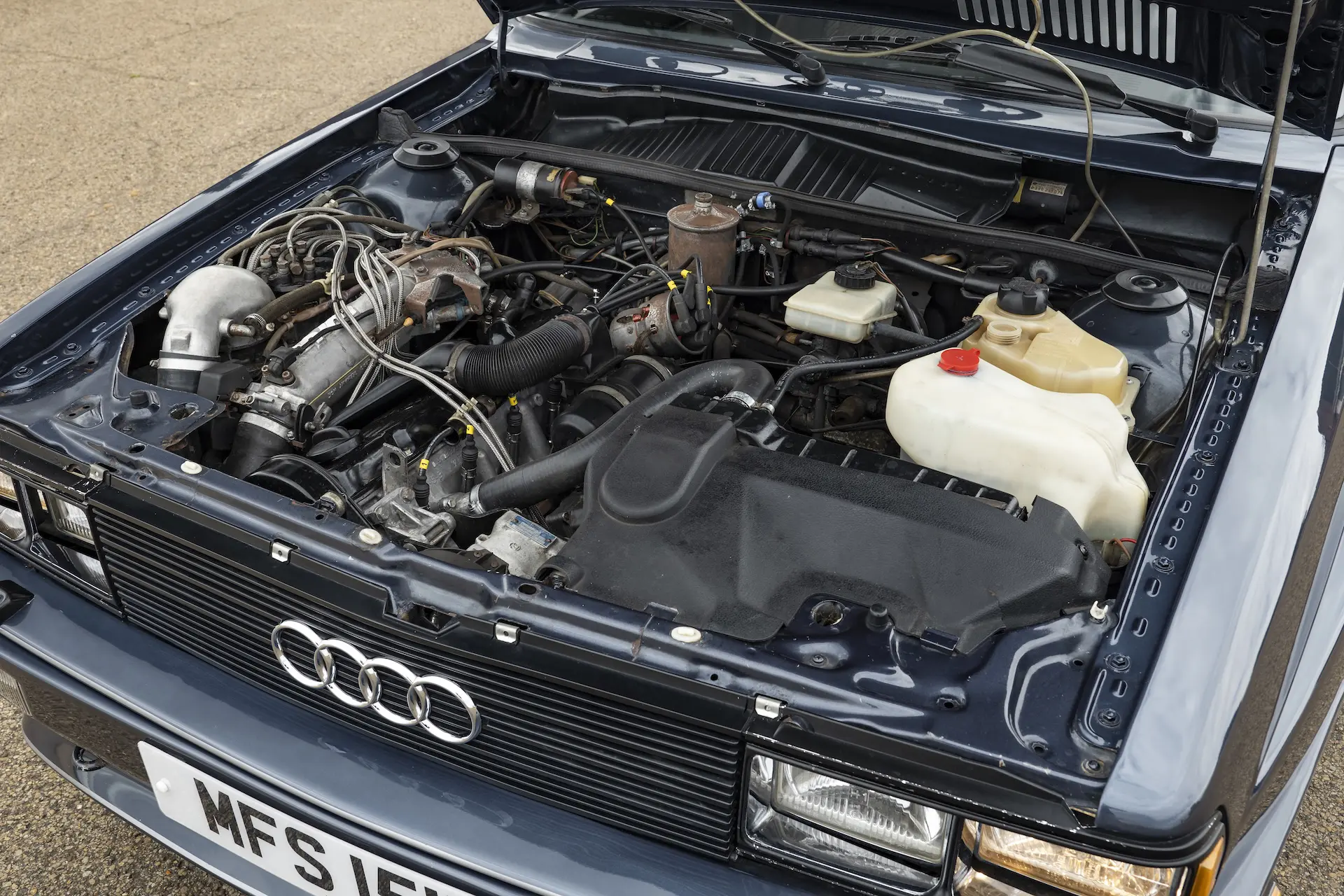
A 2.2-litre turbocharged inline five-cylinder, fed by Bosch fuel injection and cooled by an intercooler, produced an impressive 200 horsepower (147 kW).
Performance figures were genuinely exotic for the time:
◾️ 0–100 km/h in just 7.1 seconds
◾️ Top speed exceeding 220 km/h
Yet Audi wasn’t trying to build a temperamental sports car.
The company described the Quattro as combining the performance of a high-end sports car with the refinement and smoothness of a grand touring machine.
That distinctive five-cylinder soundtrack only added to the experience.
Aerodynamics That Worked
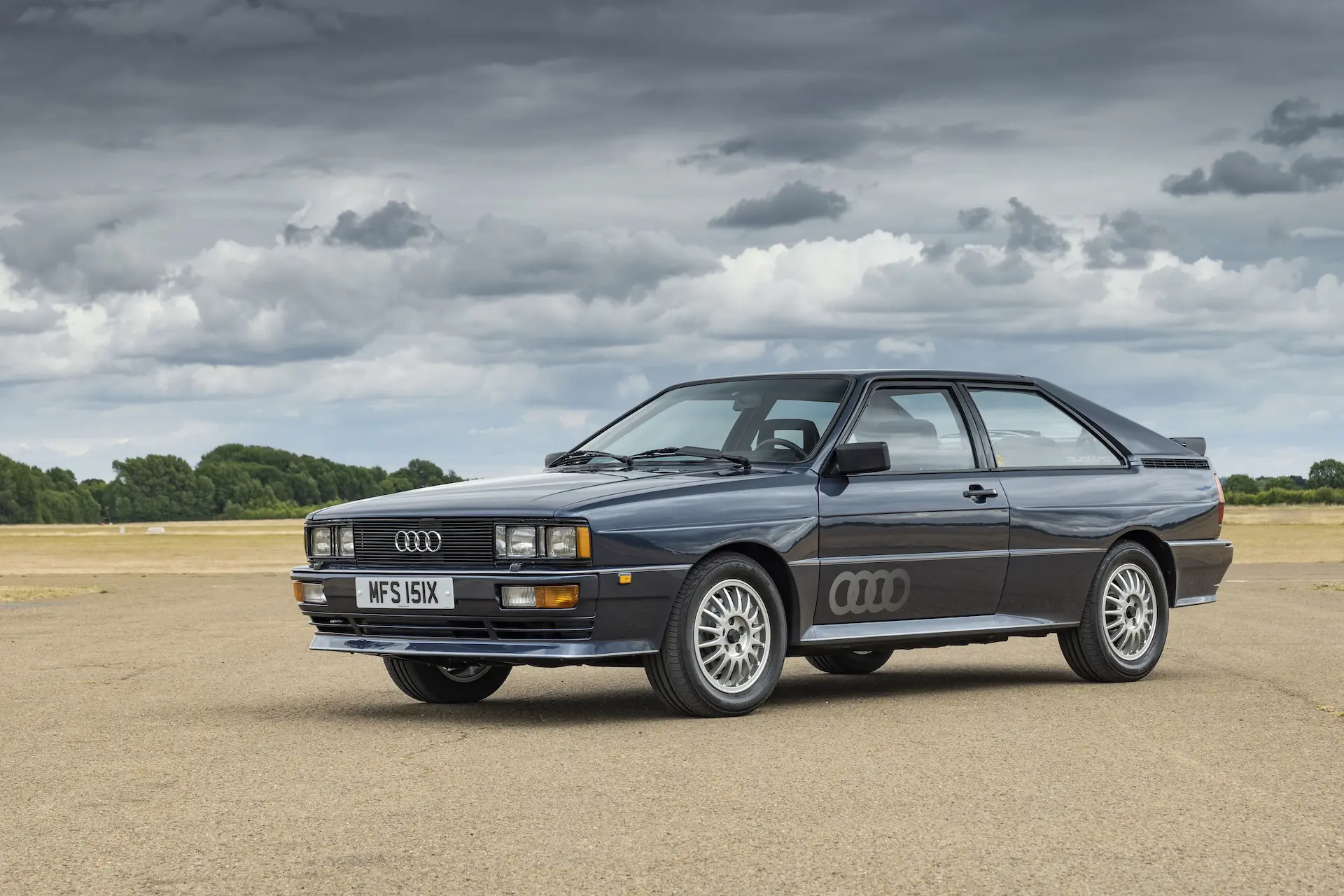
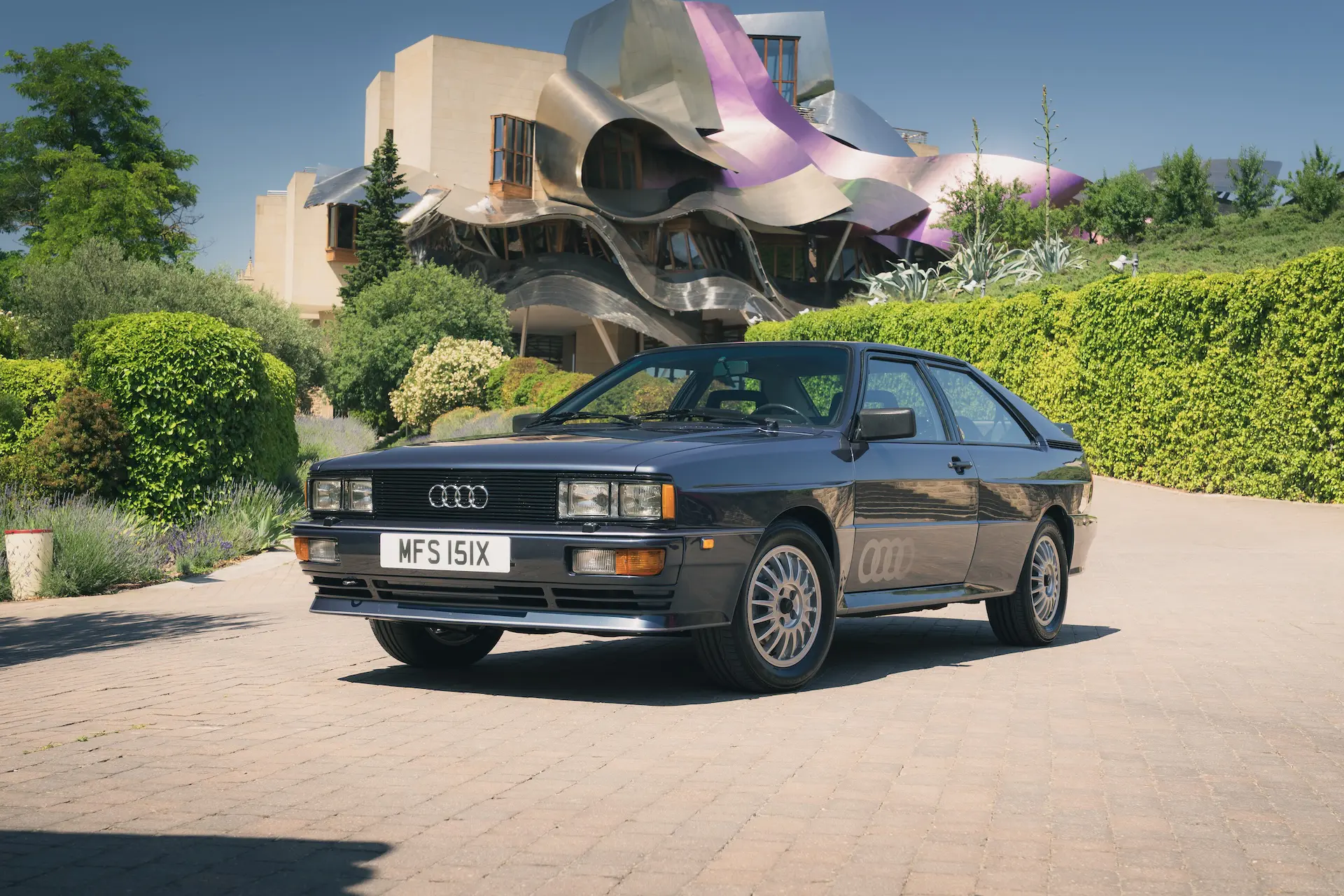
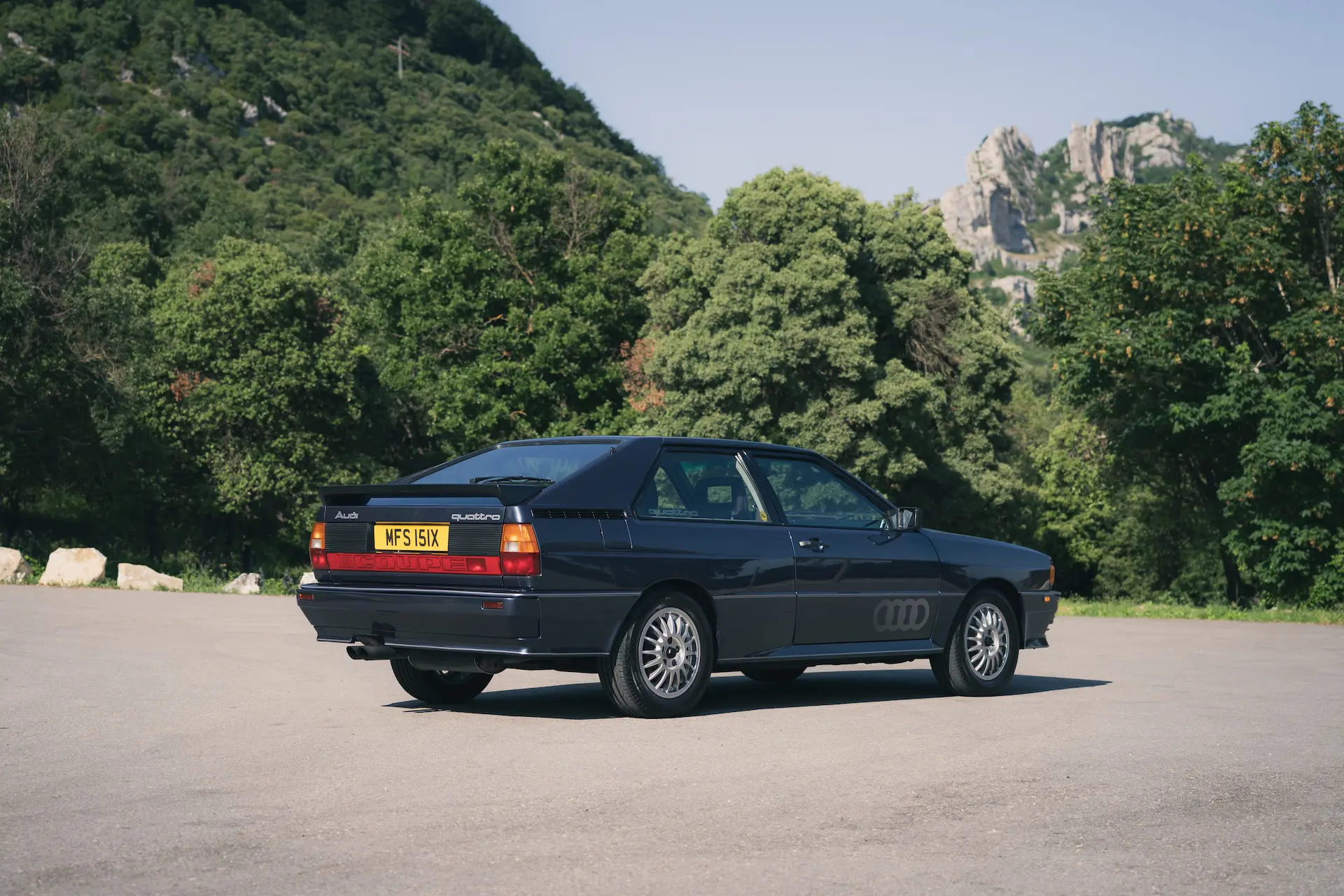
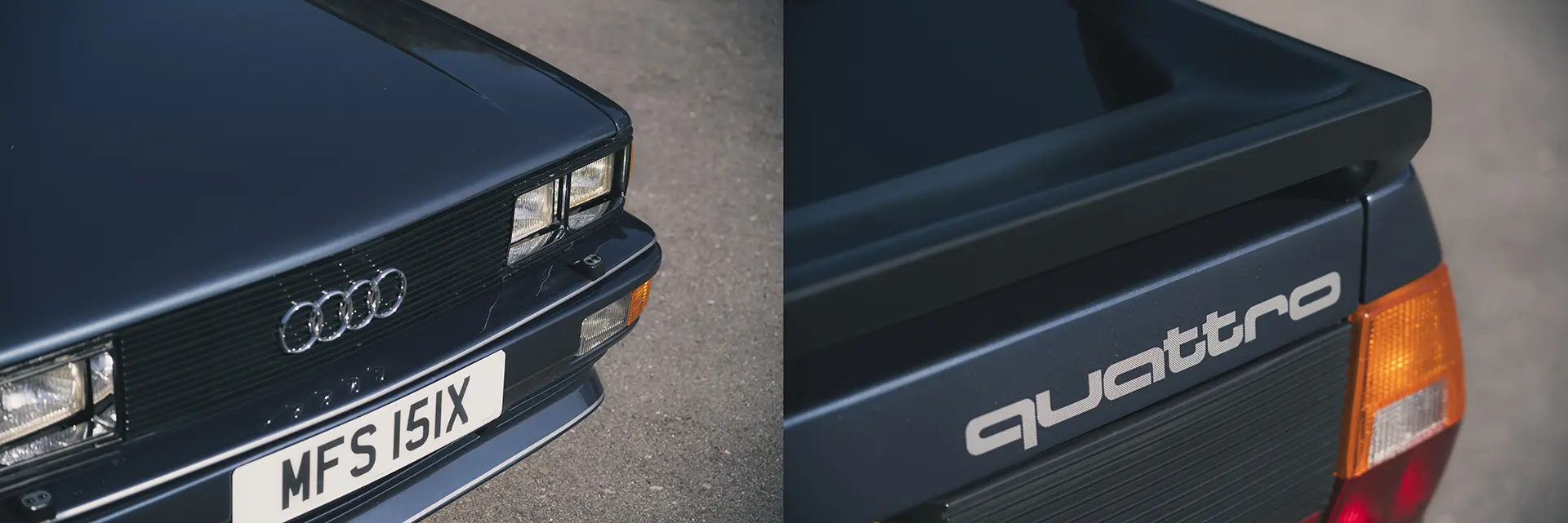
The Quattro’s sharp wedge shape has become one of the defining designs of the 1980s.
But it wasn’t styled purely for appearance.
Large front and rear spoilers reduced aerodynamic lift at speed, helping the car remain remarkably stable on fast roads.
Wide flared wheel arches housed 205-section tyres, while integrated bumpers, twin halogen headlights, fog lamps and the distinctive rear light panel created a design that remains unmistakably Audi.
Even practical touches reflected the company’s engineering mindset.
Plastic bumper covers could absorb minor parking impacts without permanent damage, while the laminated windscreen featured a green-tinted sunshade strip to reduce glare.
Everything served a purpose.
A Cockpit From the Future
Perhaps the most surprising part of the Quattro wasn’t outside.
It was inside.
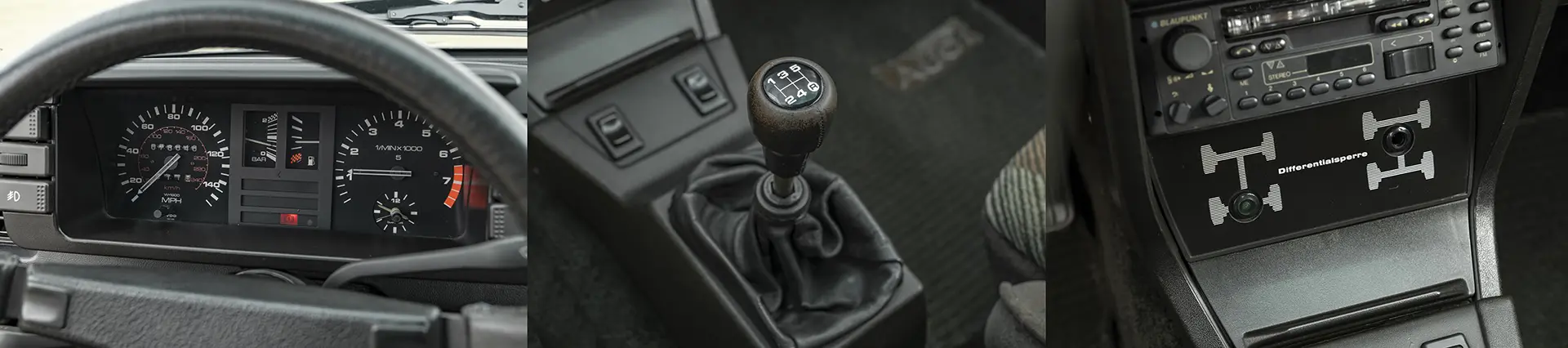
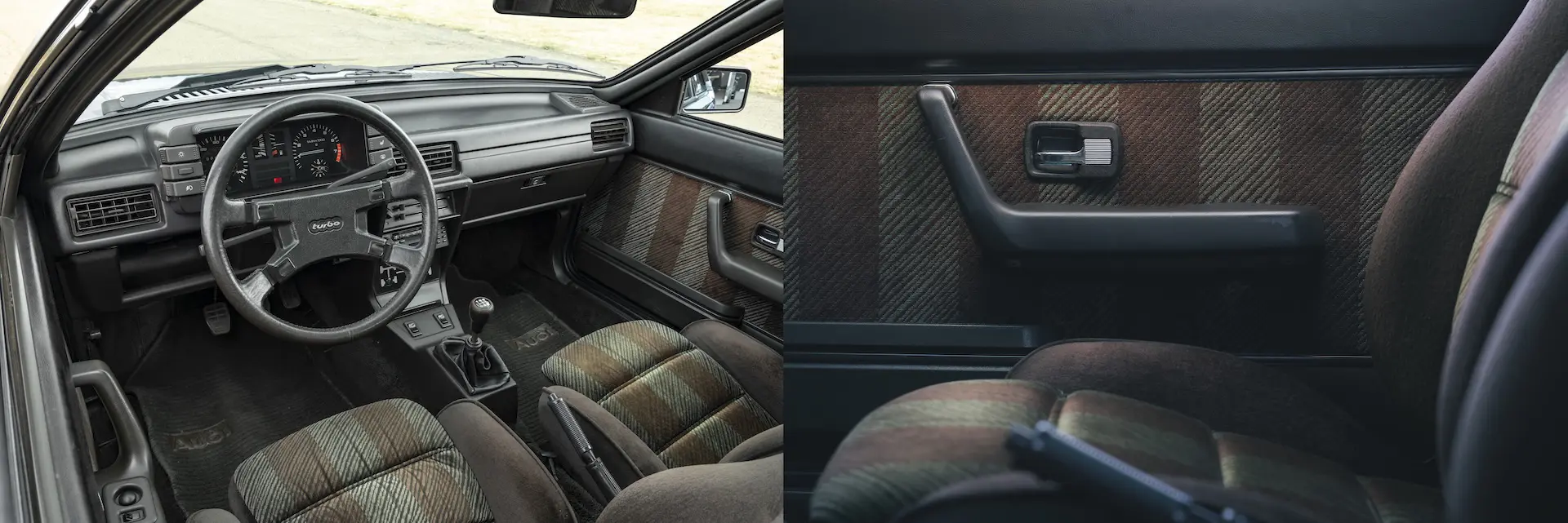
In 1982, stepping into the Quattro felt like stepping into the future.
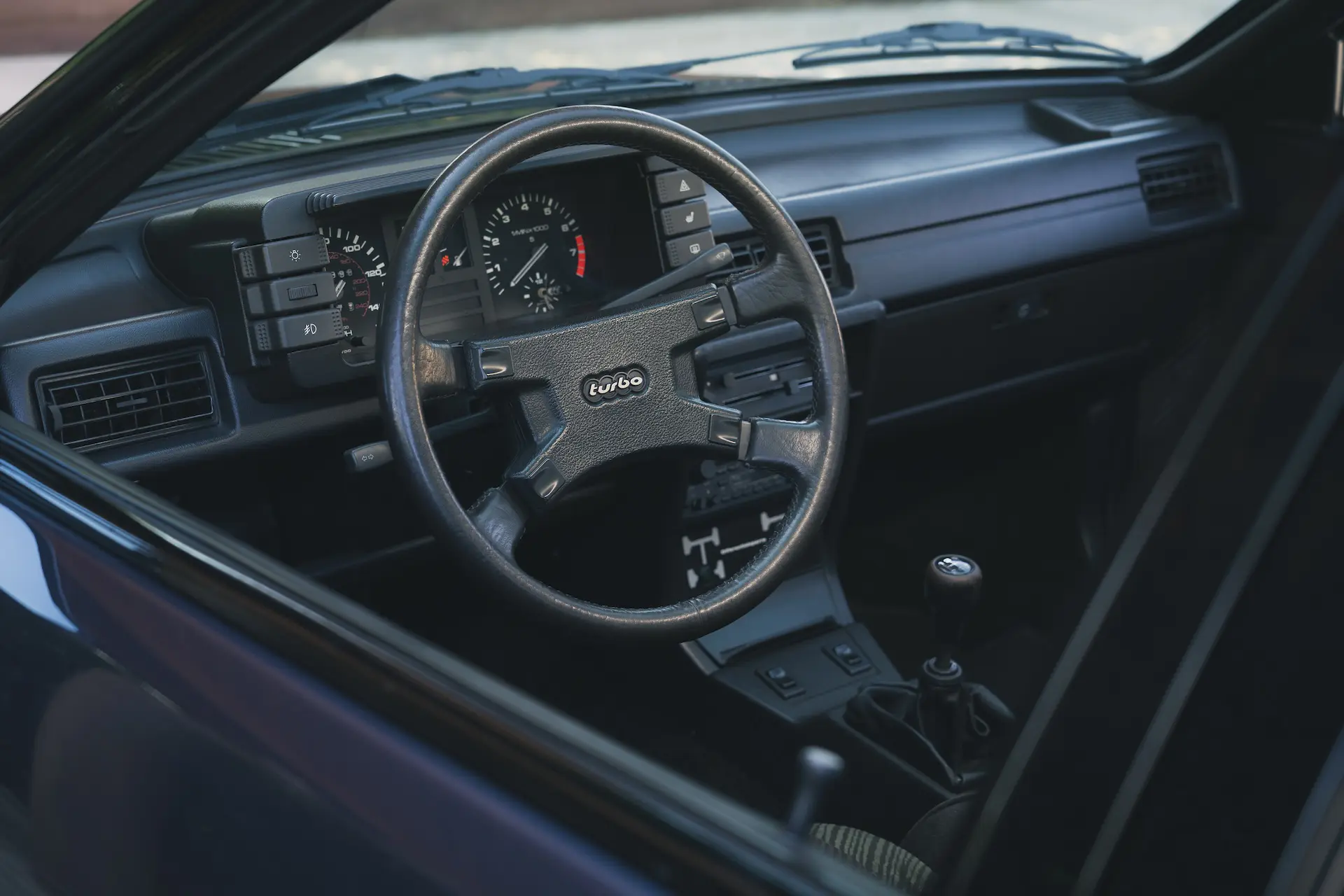
Its combined digital instrument cluster displayed speed, fuel level and time electronically—technology that was almost unheard of in production performance cars.
An onboard computer could calculate:
◾️ Instant fuel consumption
◾️ Average fuel consumption
◾️ Average speed
◾️ Journey time
◾️ Remaining driving range
Even more impressive was Audi’s electronic check system.
Around fifteen different vehicle functions were constantly monitored, from brake pads to coolant levels and battery voltage. If something needed attention, the car didn’t simply illuminate a warning light.
It spoke.
For drivers in the early 1980s, hearing the car announce a warning through its loudspeaker must have felt like science fiction.

Built Around the Driver
Despite all its technology, the Quattro never lost sight of the driving experience.
Deeply bolstered sport seats provided excellent support, while the leather-covered four-spoke steering wheel placed every major control within easy reach. The ergonomics were carefully considered. Visibility was excellent. The controls were logical. The cabin felt functional rather than flashy.
Even today, it still looks remarkably modern because everything was designed with purpose.
It’s a philosophy that continues to define Audi interiors decades later.
A Legacy That Still Drives Audi
The Quattro’s success wasn’t measured purely in sales. Its greatest achievement was changing expectations.
Permanent all-wheel drive became synonymous with Audi. Turbocharged five-cylinder engines became legendary.
The engineering principles introduced in the original Quattro would influence everything from Group B rally cars to today’s RS performance models.
Looking back, it’s easy to admire the Quattro as a classic. What’s harder to appreciate is just how revolutionary it felt in 1982. This wasn’t simply another fast coupe. It was a completely different way of thinking about performance.
And sometimes, that’s what separates a great car from a truly historic one.
The 1982 Audi Quattro didn’t follow the rules. It rewrote them.