Watch on YouTube and subscribe
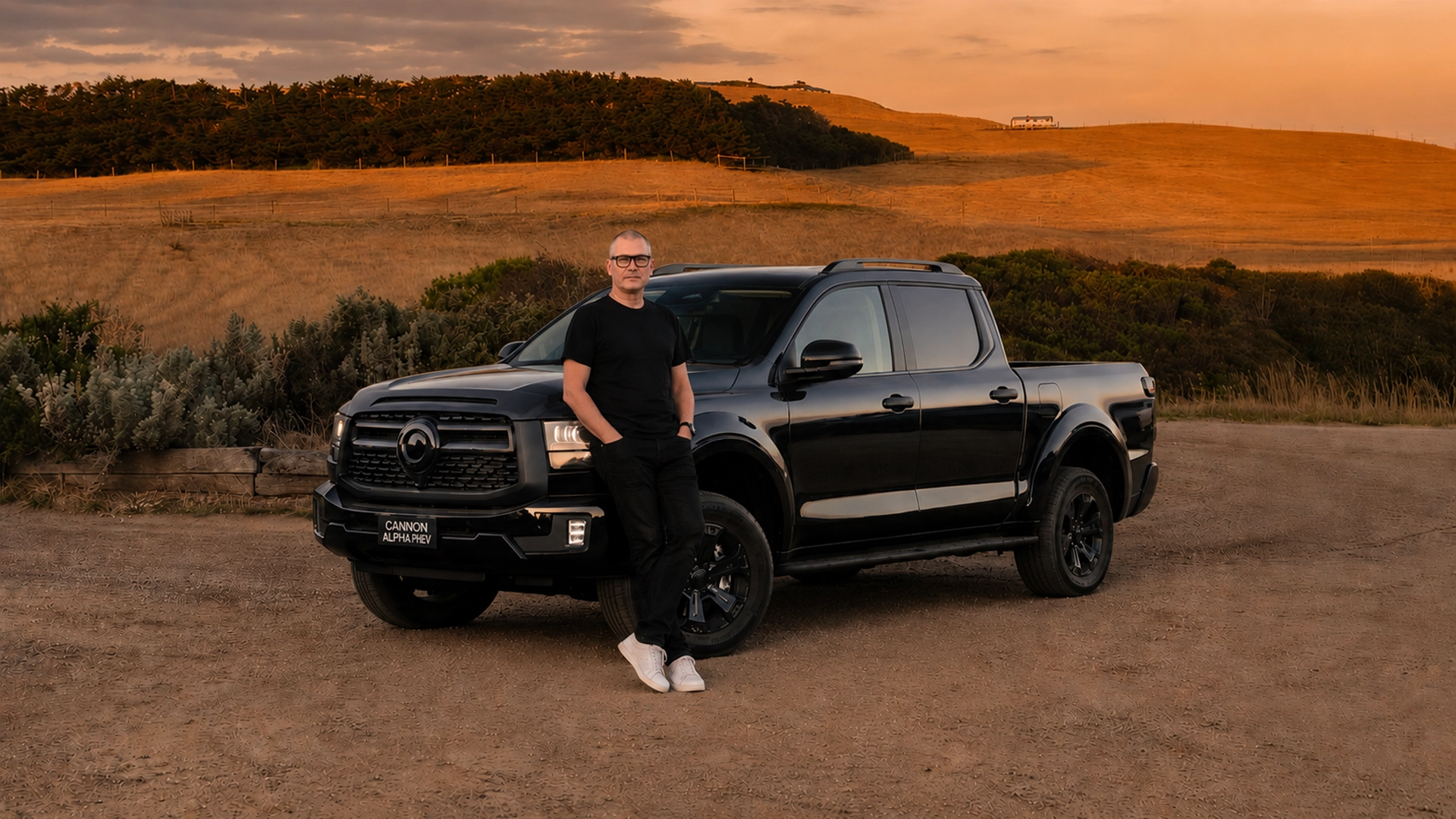
We never expected to become ute owners.
When we started looking for a new family vehicle in mid-2025, our requirements were fairly straightforward. We wanted something large, luxurious and comfortable, with enough practicality for camping trips, weekends away and the occasional adventure.
We also wanted a plug-in hybrid.
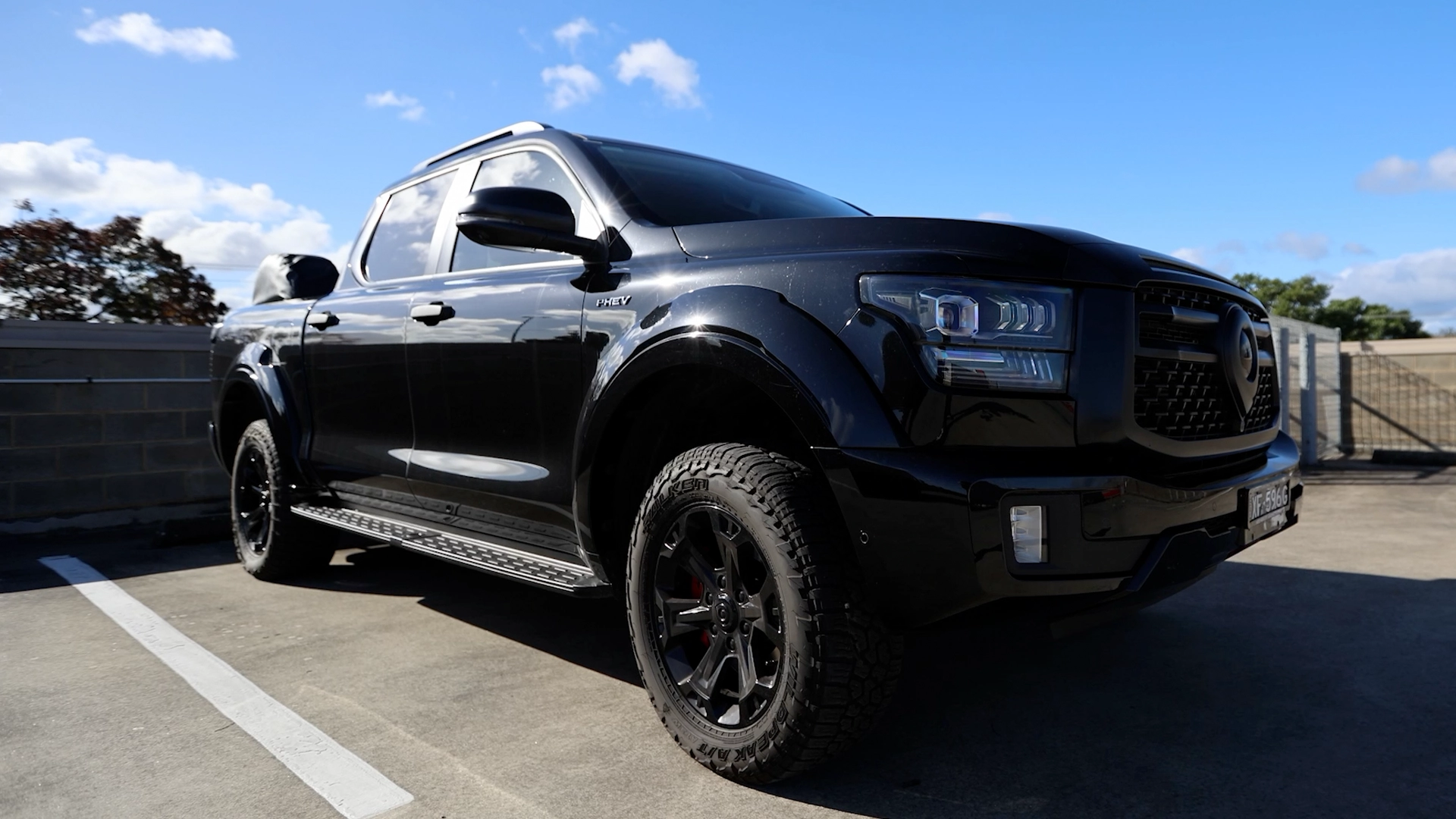
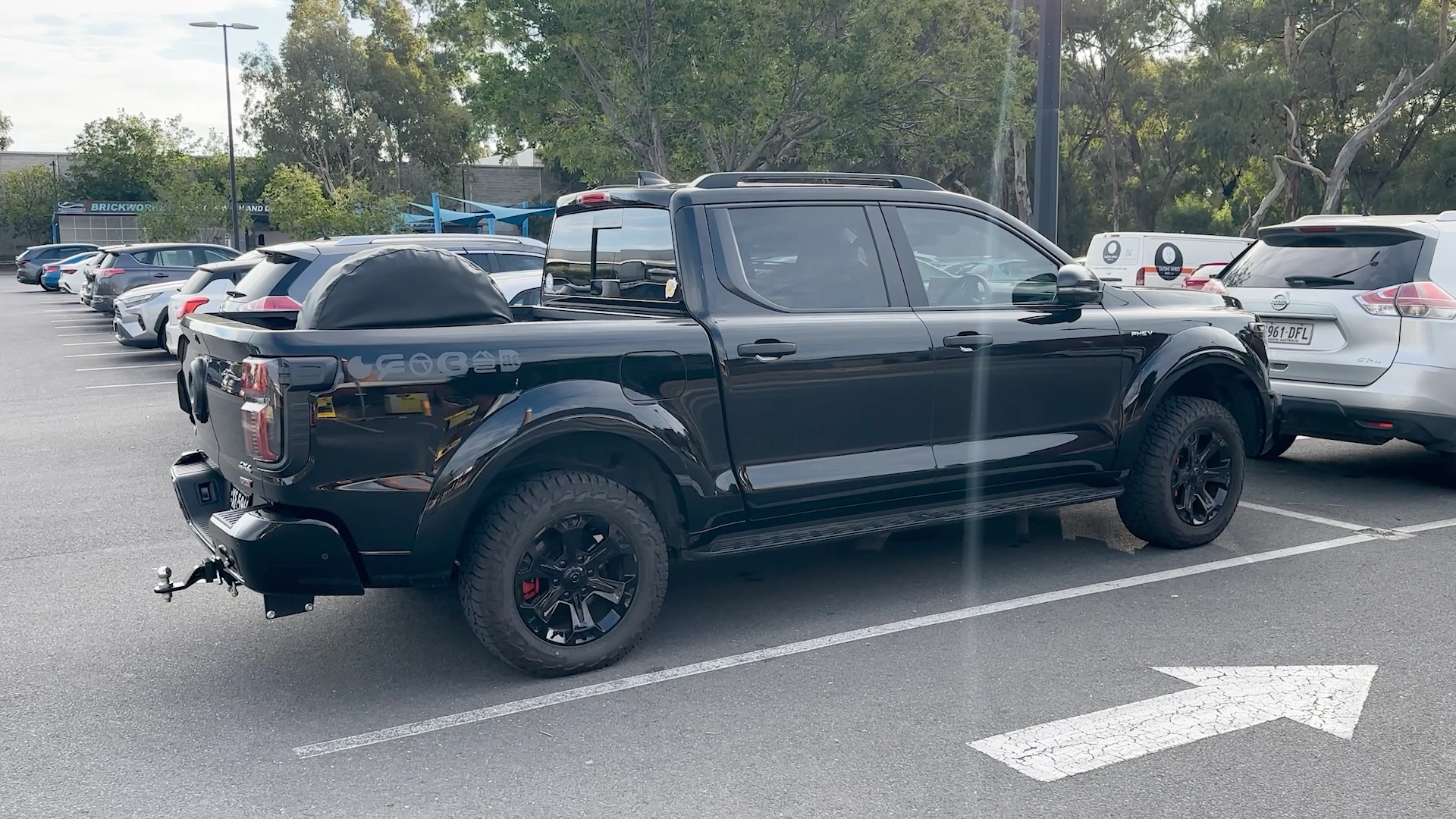
What we didn't expect was to end up with a GWM Cannon Alpha Ultra PHEV. A giant electrified ute with 300kW of power, genuine four-wheel-drive capability and an interior that wouldn't feel out of place in a luxury SUV.
On paper, it seemed like a slightly ridiculous choice for a family car.
But after 10,000 kilometres, something unexpected has happened.
The Cannon Alpha has become our favourite vehicle to drive.
So, has the novelty worn off? Or have we discovered something genuinely special about living with a plug-in hybrid ute?


Why We Bought a GWM Cannon Alpha PHEV
Our budget was around $75,000, and we wanted a vehicle that could comfortably handle a mixture of suburban driving, freeway commuting and longer family road trips.
Having an existing home EV charger made a plug-in hybrid particularly appealing.
The idea was simple. Use electricity for most of our everyday driving, then have the convenience of a petrol engine for longer trips, camping and travelling beyond the charging network.
We didn't need a serious off-road touring vehicle, and towing wasn't a major consideration. The heaviest thing we regularly tow is a jet ski.
Initially, we looked at the GWM Tank range.
The Tank 300 felt a little too small for our needs, while the Tank 500's seven-seat configuration wasn't particularly useful for our family. We wanted luggage space rather than additional seats.
That led us to consider utes.
The BYD Shark 6 was an obvious contender. It represented excellent value and was enjoyable to drive, but there was one significant problem for our family.
South Australia's power-to-weight restrictions meant it wasn't suitable for our P-plate drivers.
The Cannon Alpha Ultra PHEV offered the combination we were looking for: a comfortable interior, useful electric range, four-wheel-drive capability and enough practicality to handle almost anything we were likely to throw at it.
And, importantly, it felt more luxurious than we expected.
The Biggest Surprise: A Ute That Feels Like a Luxury Family Car
After 10,000 kilometres, the biggest surprise hasn't been the performance, the technology or even the electric driving range.
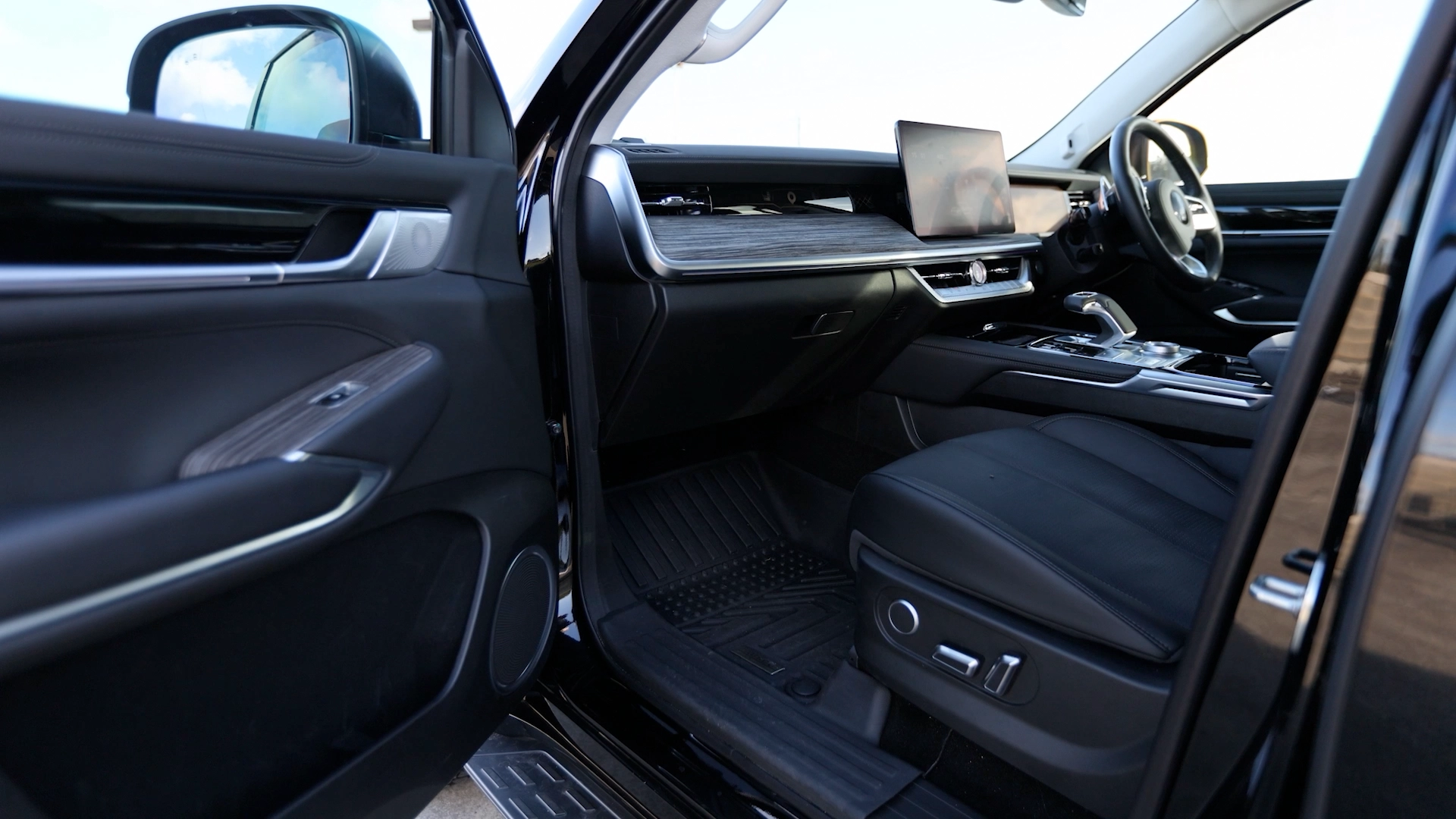
It's been discovering that a ute can genuinely feel like a luxury family car.
The Cannon Alpha is exceptionally comfortable.
The seats are soft and supportive, the cabin is quiet, and the suspension does an impressive job of smoothing out everyday roads.
Around Adelaide, whether we're navigating suburban streets or travelling along the freeway, it's a relaxing vehicle to drive.
The Ultra specification makes a noticeable difference.
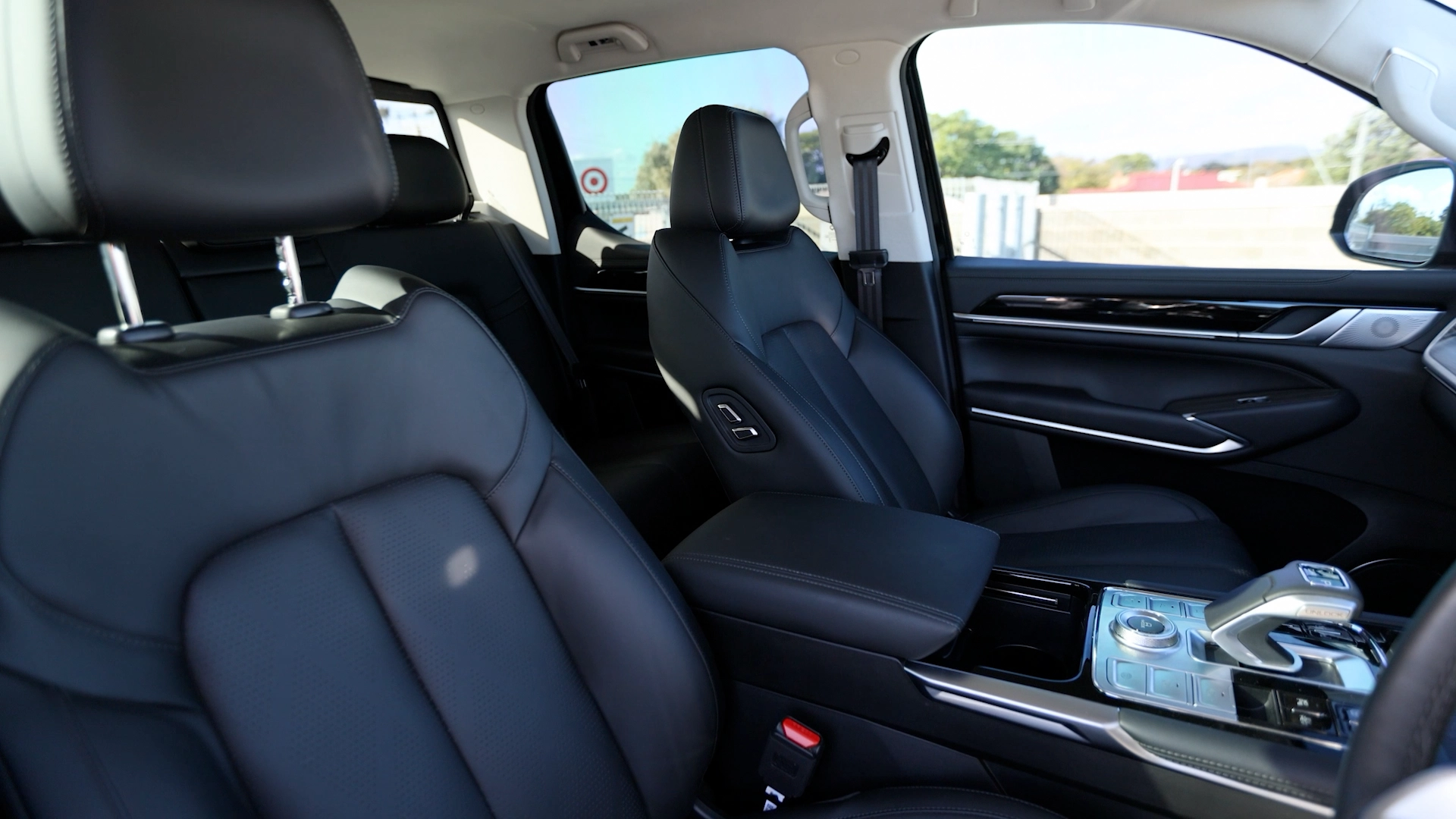
The interior feels premium, with comfortable seating, generous equipment and plenty of thoughtful details.
And the rear seats are particularly impressive.
Heating, ventilation and adjustable seating positions make the back of the Cannon Alpha feel more like a luxury SUV than a traditional dual-cab ute.
The family loves the massage seats, although personally, I'm still getting used to them.
What surprised us most is how quickly all this became normal.
The Cannon Alpha wasn't supposed to replace the everyday appeal of our Lexus EV. But increasingly, it's the vehicle we prefer to drive the family around in.
Driving the Cannon Alpha PHEV: Effortless Power With a Few Quirks
With a combined 300kW available from its plug-in hybrid powertrain, the Cannon Alpha certainly isn't short of performance.
In hybrid mode, power delivery feels strong and effortless.
Overtaking is easy, steep hills aren't a concern, and even towing our jet ski makes little noticeable difference to the way the vehicle performs.
The gearbox is smooth, and the transition between electric and petrol assistance generally feels well managed.
Regenerative braking is another feature I've grown to appreciate.
On its strongest setting, it provides useful energy recovery while also helping slow the vehicle. Once you're accustomed to it, it becomes a natural part of driving.
But there are differences between the Cannon Alpha and a dedicated EV.
In electric mode, throttle response isn't quite as immediate as in our Lexus.
And on longer, steeper climbs, particularly heading up the freeway out of Adelaide, electric-only performance can begin to taper off.
It's not something that causes a major problem, but it does highlight the importance of understanding how the hybrid system operates.
Unlike a conventional petrol vehicle, the Cannon Alpha gives you considerable control over how and when its power sources are used.
Learning to manage those settings is part of getting the best from the vehicle.
Ride, Handling and Braking
For something this large, ride comfort is genuinely impressive.
The suspension handles speed bumps, uneven roads and corrugations comfortably, whether the vehicle is loaded or unloaded.
The biggest reminder of the Cannon Alpha's size and weight comes under braking.
It takes a little more effort to bring this large vehicle to a stop than a smaller car.
The turning circle is also substantial.
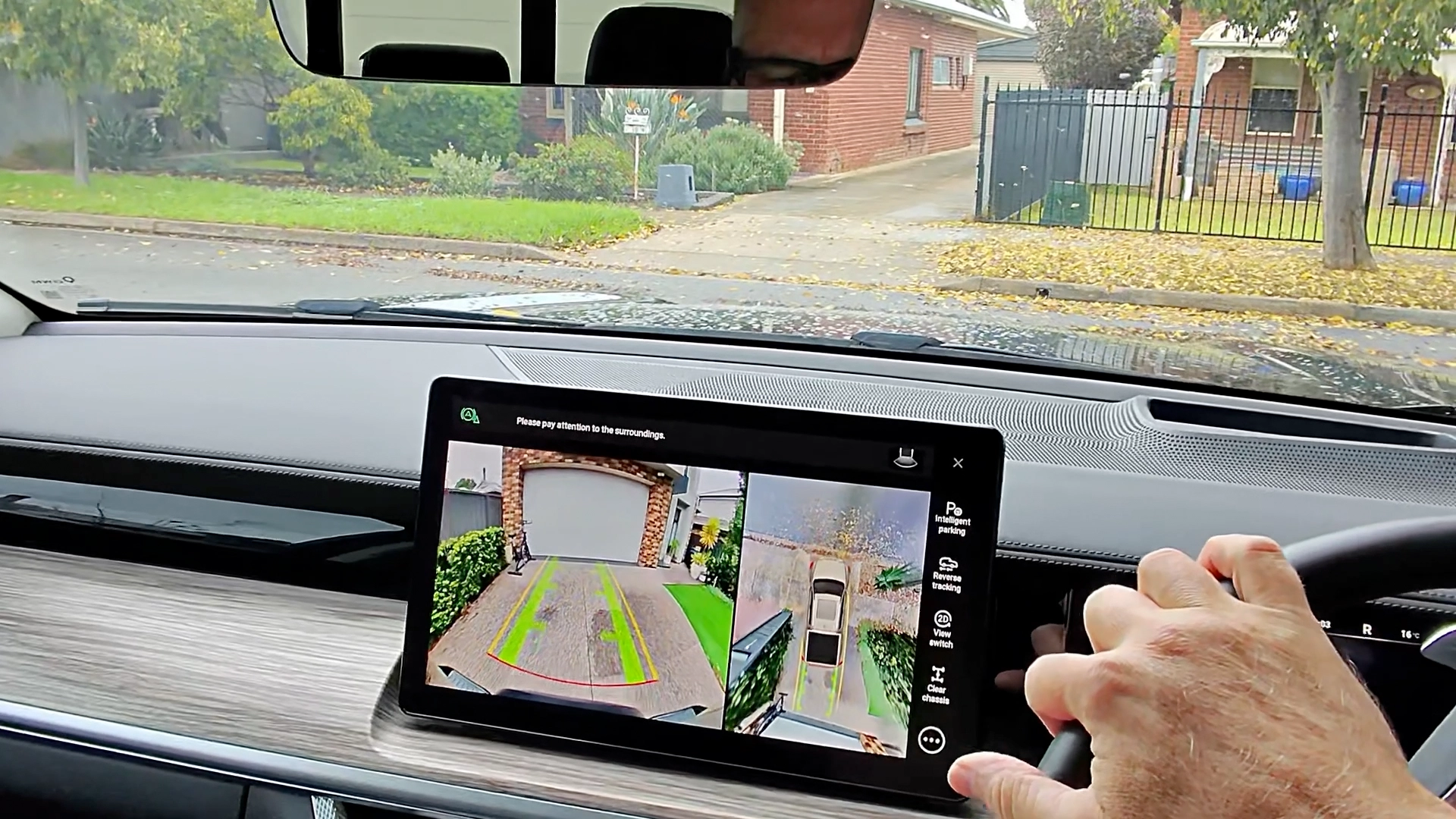
Parking requires some adjustment, particularly in shopping centres and tight parallel spaces. Fortunately, the excellent camera system and parking sensors make manoeuvring considerably easier. You still need to remember that you're driving a very long vehicle.
8,500km Electric. Just 1,500km Petrol.
This is probably the most interesting part of our ownership experience.
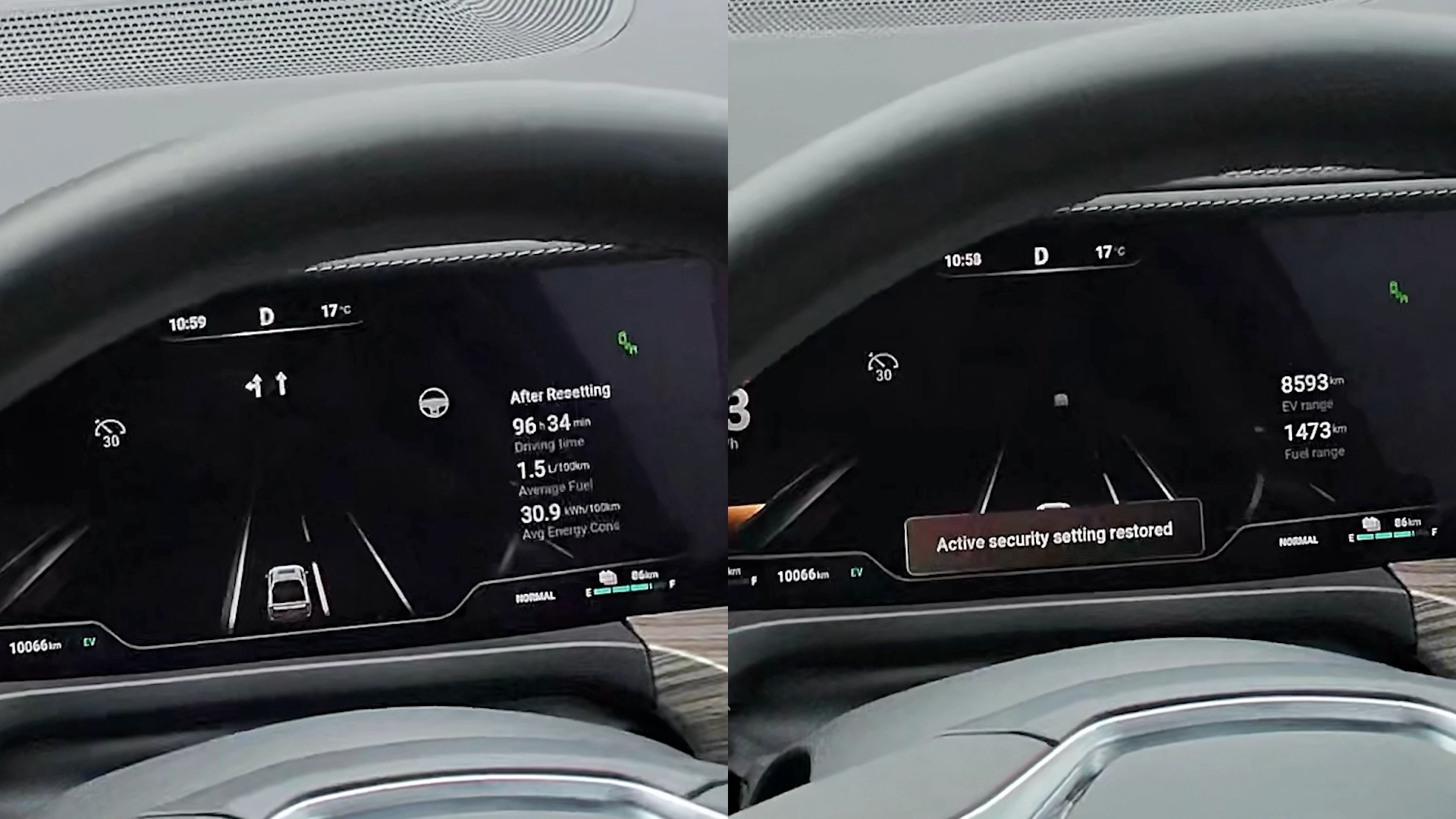
After 10,000 kilometres, approximately 8,500 kilometres have been travelled using electric power, with the remaining 1,500 kilometres attributed to petrol driving.
We've purchased roughly two and a half tanks of petrol. That's approximately $200 in fuel. For a vehicle of this size, that's a remarkable result.
But there's an important qualification.
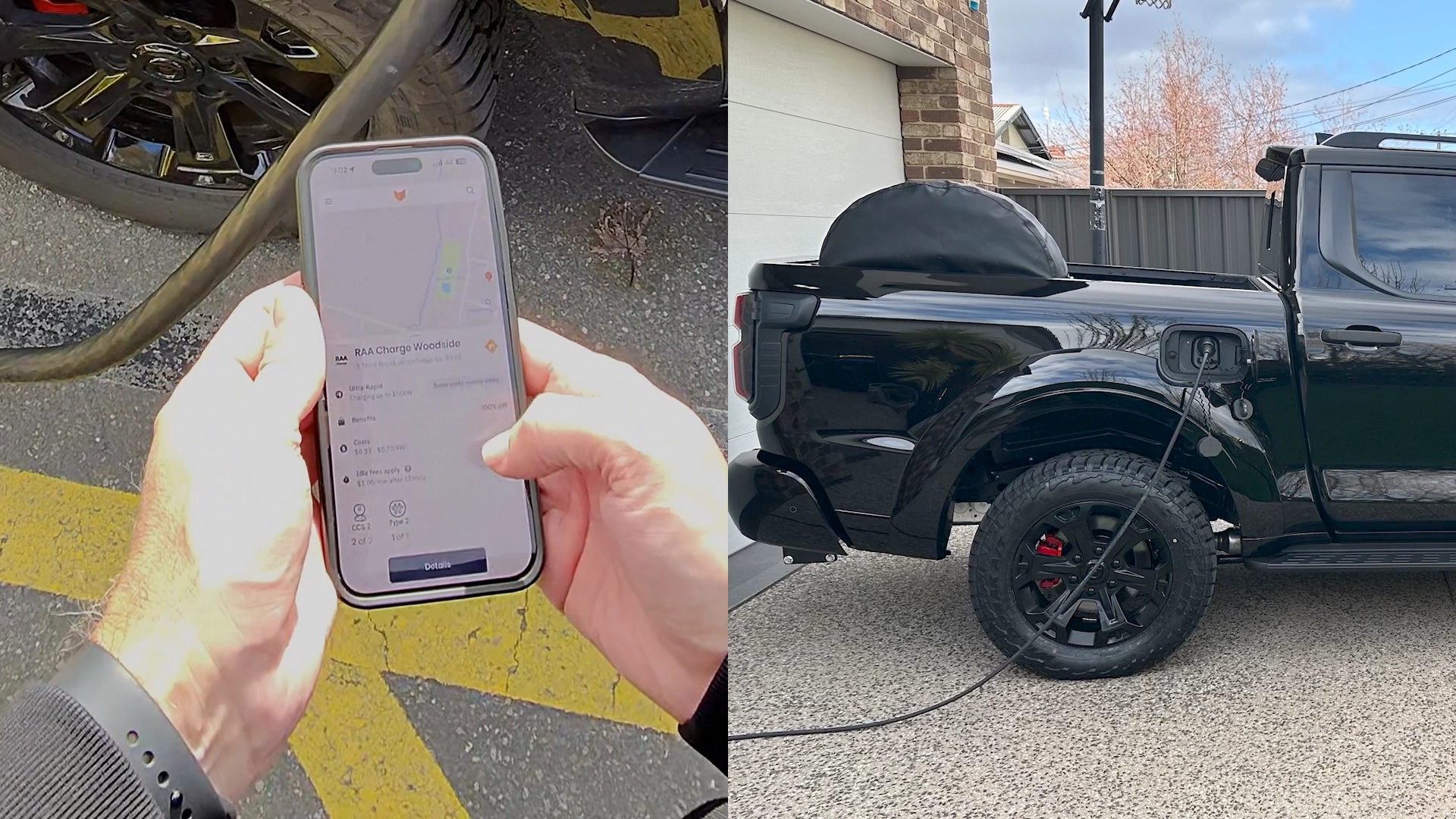
We charge the Cannon Alpha regularly, generally two or three times a week, and our home charging is supplied by rooftop solar.
That means our direct electricity costs have been extremely low.
The $200 figure represents petrol purchased, not the total cost of operating the vehicle. Electricity, servicing, insurance, tyres and other ownership expenses still need to be considered.
Nevertheless, our experience demonstrates how well a PHEV can work when its electric range matches your everyday driving requirements.
Real-World EV Range
In most everyday driving conditions, we've found the Cannon Alpha delivers around 100 kilometres of electric range from a full charge. More importantly, that range has been reasonably predictable. For our combination of city and freeway driving, it's enough to complete most daily journeys without using petrol. And once you become accustomed to driving on electricity, it's surprisingly addictive. Charging becomes part of your routine rather than something you consciously plan every day. My advice to prospective PHEV owners is to be opportunistic. Even adding 10 or 20 per cent charge when the opportunity arises can make a difference.
On a suitable DC fast charger, we've found charging reasonably convenient, with approximately 30 minutes getting us close to 80 per cent and around an hour for a full charging session, depending on the starting charge level and conditions.
There's also an unexpected social side to charging. People seem genuinely curious about a giant ute plugged into an EV charger. We've had plenty of conversations with other drivers wanting to know how the system works.
What Happens When the Battery Runs Low?
Of course, the equation changes when you travel beyond the electric range. Once the battery's usable electric-driving charge is depleted, you're relying more heavily on the 2.5-litre turbocharged petrol engine and hybrid system to move a very large vehicle. On longer journeys, fuel consumption becomes much more comparable to a conventional large petrol-powered vehicle.
Towing and carrying additional weight can increase consumption further.
That's the reality of PHEV ownership. If you're regularly charging and using electricity for everyday journeys, the savings can be substantial. If you're constantly travelling long distances without charging, the benefits become less compelling.
Interior Practicality: The Little Things Make a Difference
One of the Cannon Alpha's strengths is how many practical details you discover through everyday use.
There are useful under-seat storage drawers, dedicated umbrella holders in the doors and charging connections throughout the cabin.
The rear centre console arrangement is practical, and there's plenty of room for passengers.
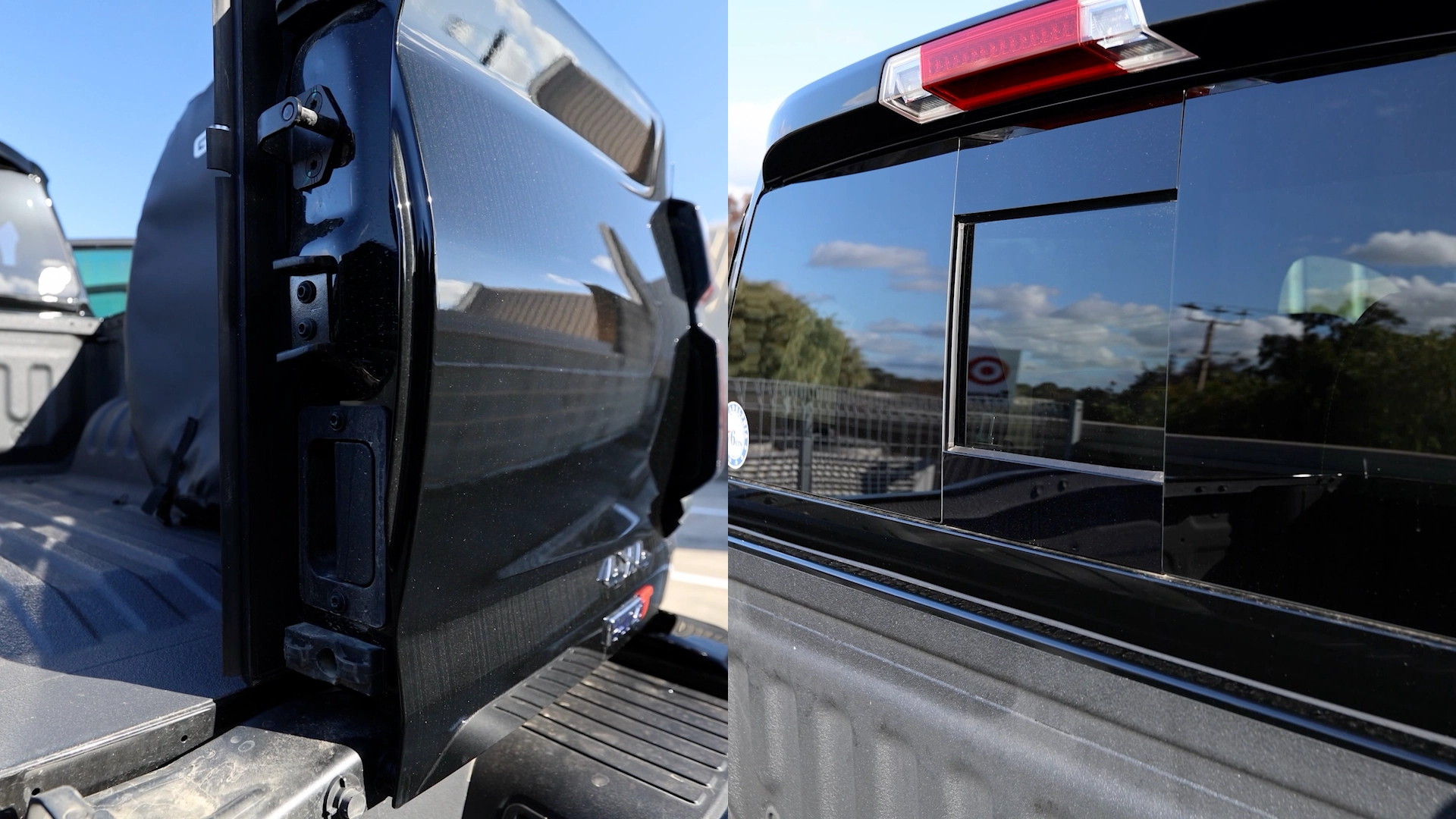
The split-opening tailgate is another feature we've grown to appreciate. It makes accessing the tray easier, particularly when loading smaller items. The electrically operated rear cabin window is also surprisingly useful.
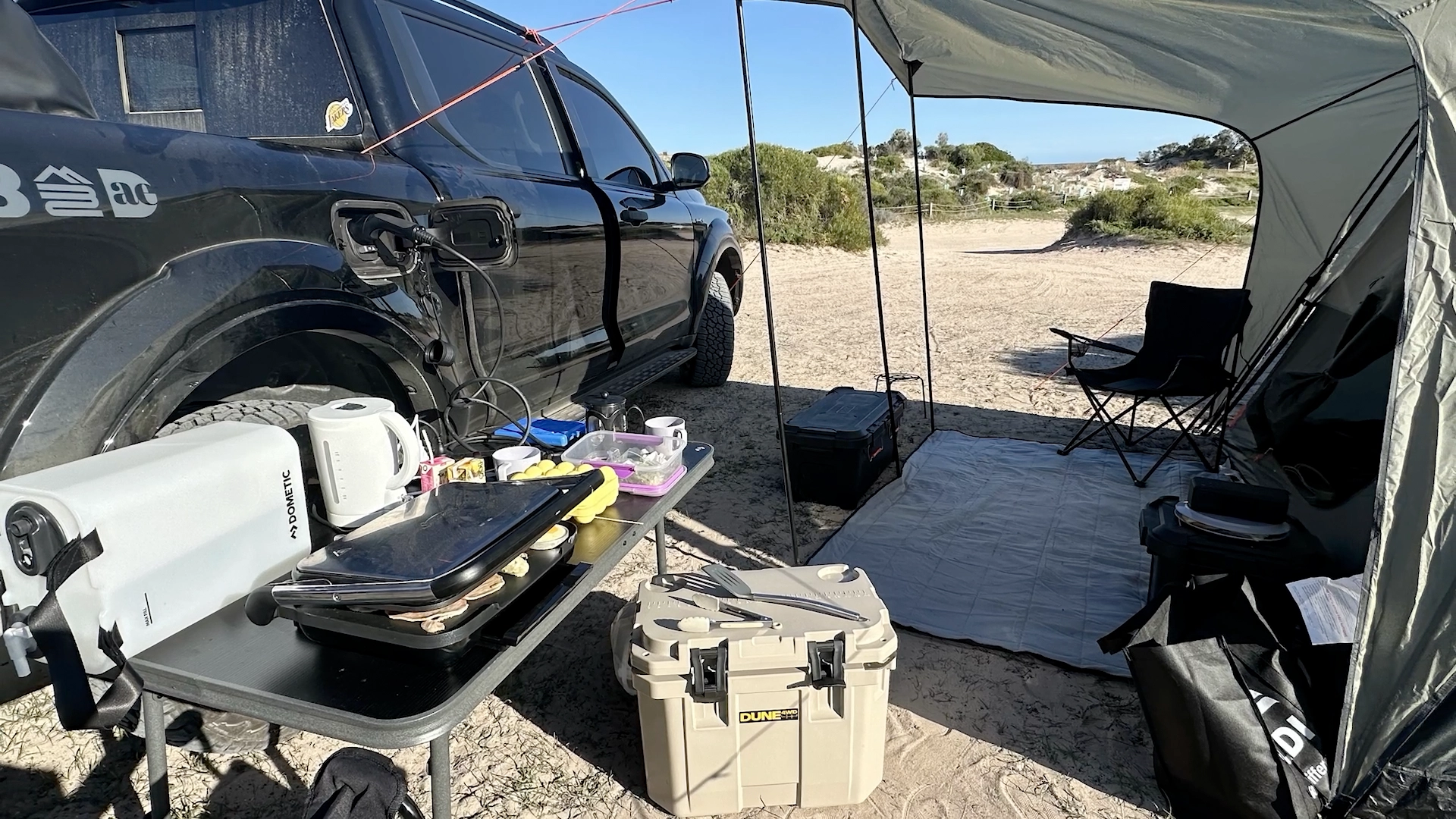
And vehicle-to-load functionality has been fantastic for beach days and camping trips, allowing us to power equipment directly from the vehicle.
These are features that genuinely improve everyday ownership. But not everything is perfect.
The Interior Frustrations
The wireless phone charger is terrible. Fortunately, it can be switched off. There's also a frustrating lack of a conveniently positioned charging port for the front passenger. And while I love the electric rear window, there's no dedicated physical switch for the driver. Instead, you need to access the function through the infotainment screen or use the controls in the rear passenger area. It's an unnecessarily complicated arrangement.
The cupholders are another small annoyance. They're too deep for conventional takeaway coffee cups. Although, admittedly, that's an excellent excuse to buy a YETI 10oz coffee tumbler.
After 10,000 kilometres, we've experienced very few interior rattles. The main exception is a noise from the tray-mounted spare wheel over rougher roads. We've also noticed some dust entering the cabin when travelling on dirt roads, apparently around areas where the seals don't fit quite as tightly as we'd like. Neither issue has significantly affected our enjoyment of the vehicle, but they're worth mentioning.
Technology: Excellent Features, Questionable Decisions
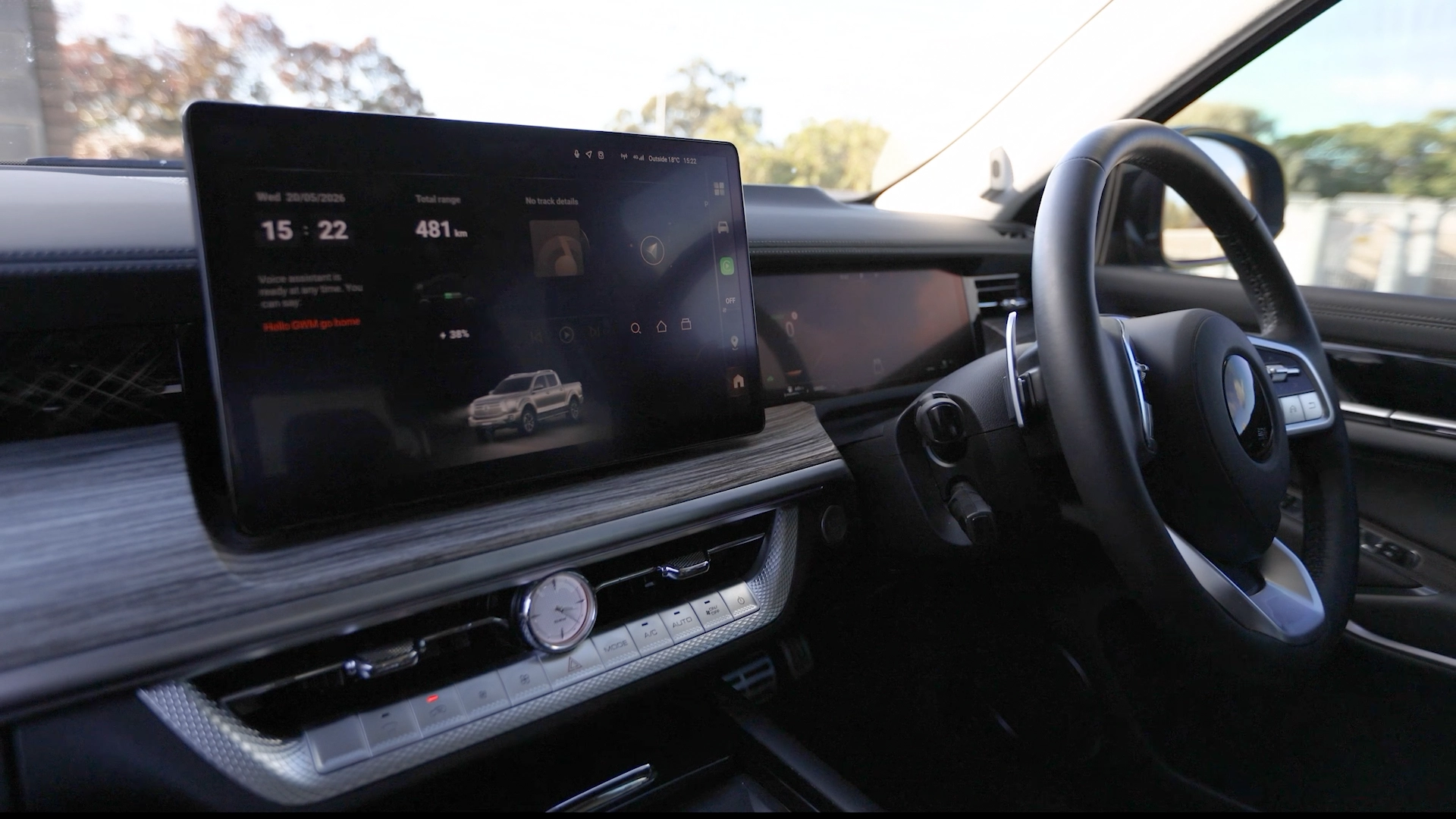
The Cannon Alpha Ultra comes with plenty of technology. Much of it works extremely well.
The large central display is clear, the driver's instrument screen offers useful customisation, and the head-up display has become one of my favourite features.
The sound system is also surprisingly good with a little adjustment to the bass.
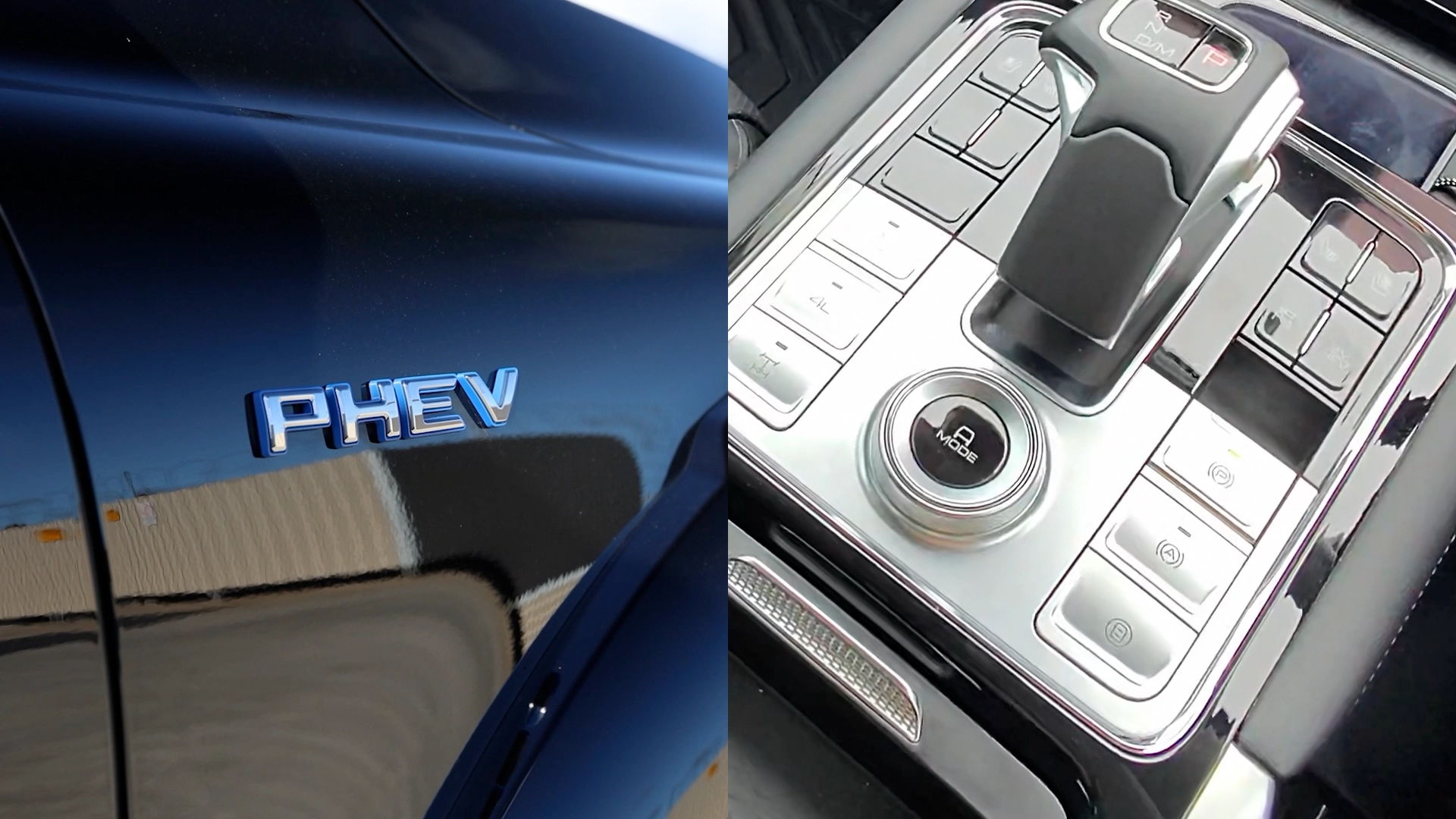
Importantly, GWM hasn't abandoned physical controls entirely. Frequently used functions, including climate settings and switching between EV and hybrid operation, are relatively easy to access.
But some of the software decisions remain frustrating.
There are two separate settings applications within the infotainment system. Why? I'm still not entirely sure. Finding a particular function often means opening both until you locate the setting you're looking for.
The 360-degree camera system is another example. Initially, having the cameras activate automatically at low speeds seemed fantastic. Eventually, it became irritating because the camera display interrupts navigation.
The vehicle-to-load cable disconnection procedure is also unnecessarily confusing. Despite using the system regularly, I still find myself trying to remember the correct sequence.
The unlabelled drive-mode selector dial can be equally unintuitive.
And the companion phone app? For our needs, it offers relatively little practical value. Although being able to check whether you've forgotten to lock the vehicle is genuinely useful.
Safety Systems Still Need Refinement
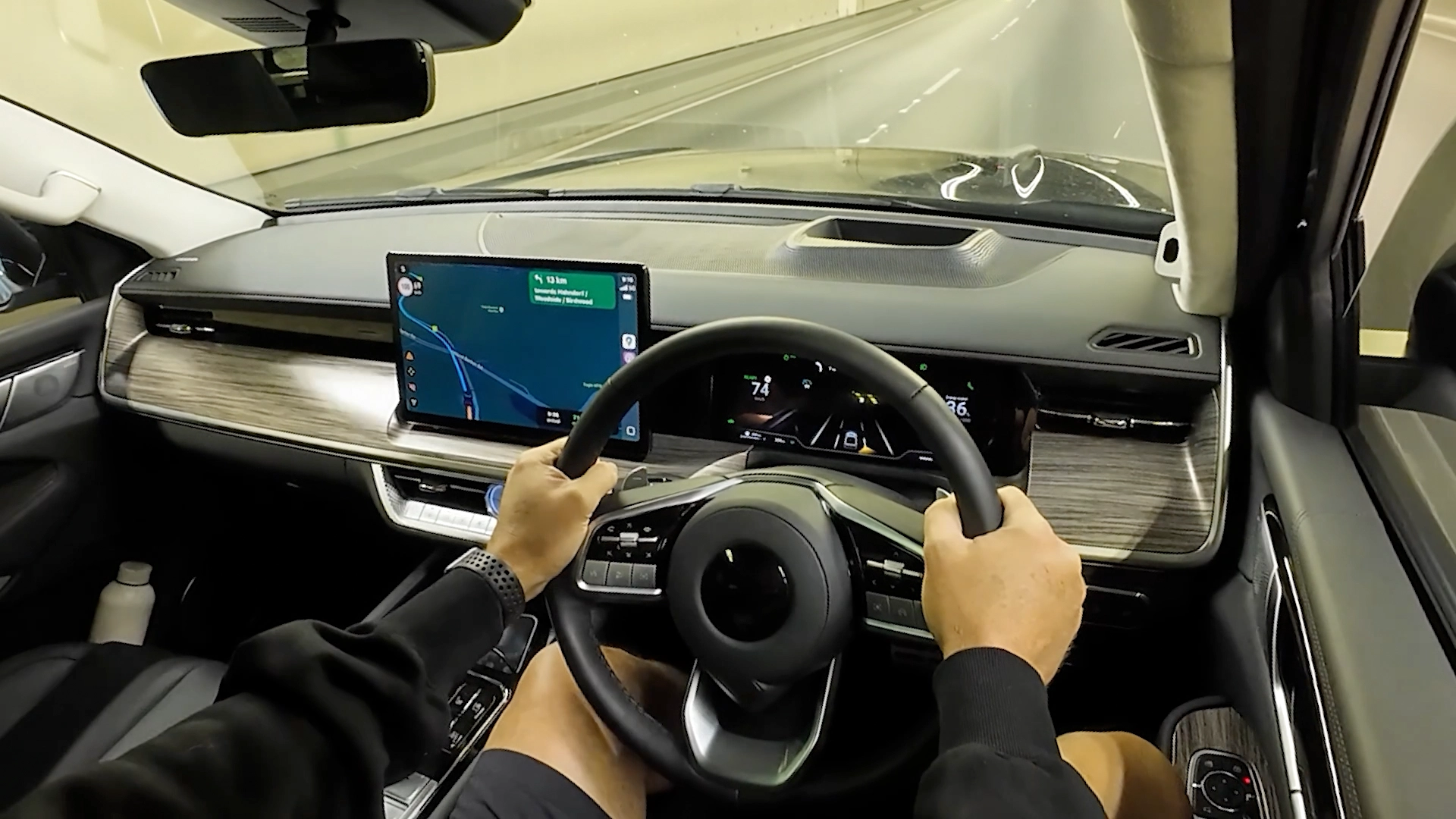
The Cannon Alpha's adaptive cruise control is generally good.
I particularly appreciate having a physical cruise-control stalk rather than relying entirely on touchscreen controls. But some of the driver-assistance systems could benefit from further refinement.
Lane-keeping assistance can occasionally feel too aggressive.
The driver-monitoring system can also become overly sensitive, particularly when sunlight falls across the driver's face.
We've experienced occasional unexpected braking behaviour and abrupt changes in cruise-control operation through certain corners.
These moments are frustrating and can be unsettling, particularly when you're not expecting the vehicle to intervene. The ability to adjust or disable many of these features helps, although navigating the settings isn't always intuitive.
For me, this is one area where GWM could make meaningful improvements through better software calibration.
The Biggest Compromise: That Factory Tow Bar
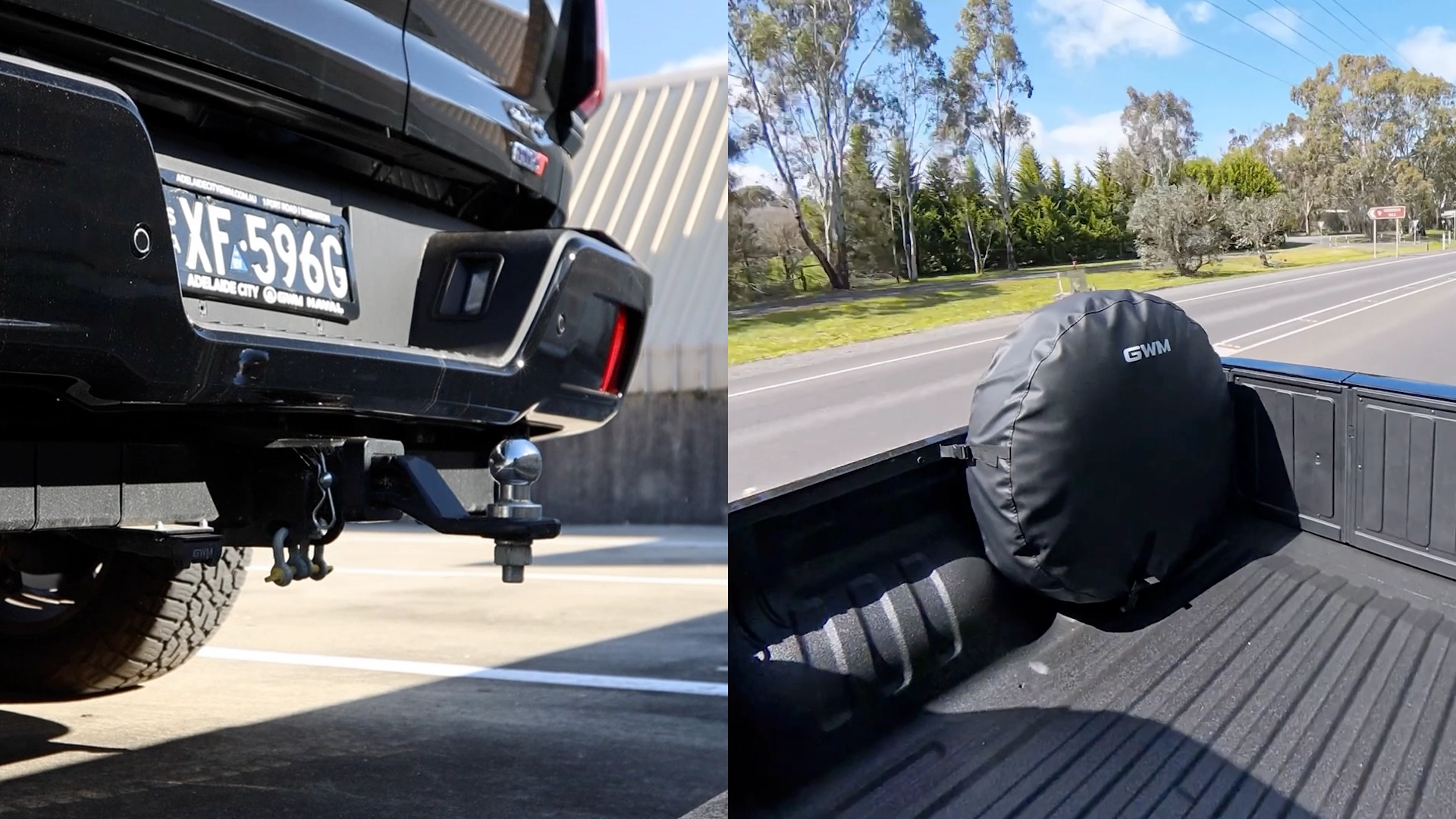
If I had to identify one significant physical design issue with the Cannon Alpha, it would be the factory tow bar. It sits very low. And that dramatically reduces the vehicle's effective departure angle.
For our purposes, towing a jet ski, it hasn't been a major concern. But for anyone considering more challenging off-road tracks, it's a genuine limitation.
The Cannon Alpha has impressive four-wheel-drive hardware and considerable capability on paper. However, we haven't yet properly tested those abilities.
I'm planning to complete a four-wheel-driving course and spend more time exploring what the vehicle can do away from sealed roads.
Until then, I wouldn't claim to have thoroughly assessed its off-road performance.
What I can say is that the factory tow bar arrangement deserves serious consideration if off-road clearance is important to you.
The Things Nobody Talks About
After living with a vehicle for 10,000 kilometres, you start noticing things that rarely appear in conventional reviews.
For example, the horn. It's wonderfully loud. The sort of horn that makes people realise a very large vehicle is nearby.
Then there's the little tune the Cannon Alpha plays when you lock it. It's amusing watching people in car parks turn around trying to work out where the sound came from.
The windows also lower slightly when you open the doors. Initially, I found that strange. But it helps the doors close properly against the cabin's seals, and the windows automatically return to position once the doors are shut. It's a clever little detail.
Unfortunately, the keyless entry system hasn't been quite as clever. In theory, you should be able to unlock the vehicle by holding the door handle with the key in your pocket. In practice, ours works inconsistently. Sometimes it unlocks immediately. Other times, it seems determined to ignore you.
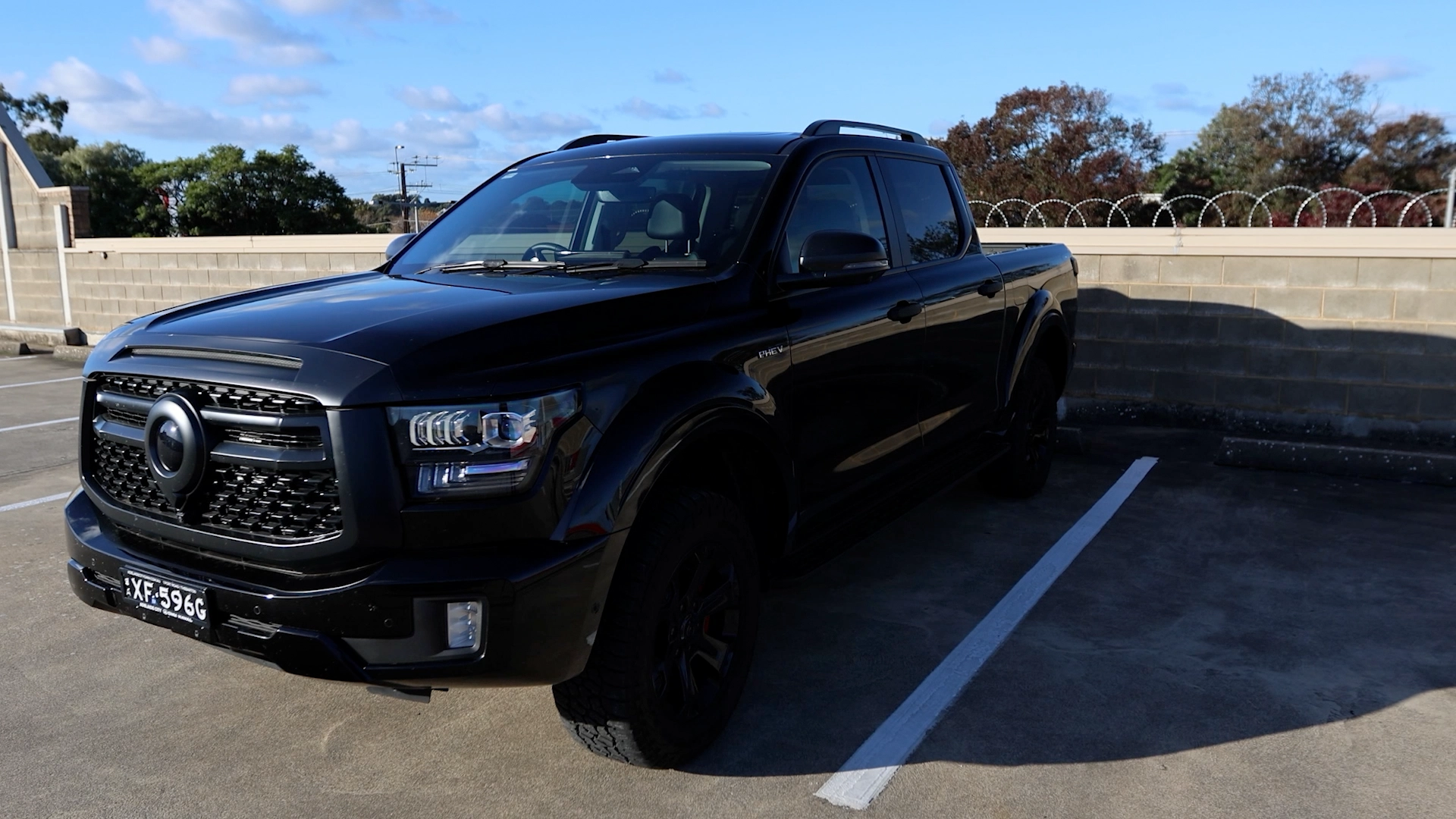
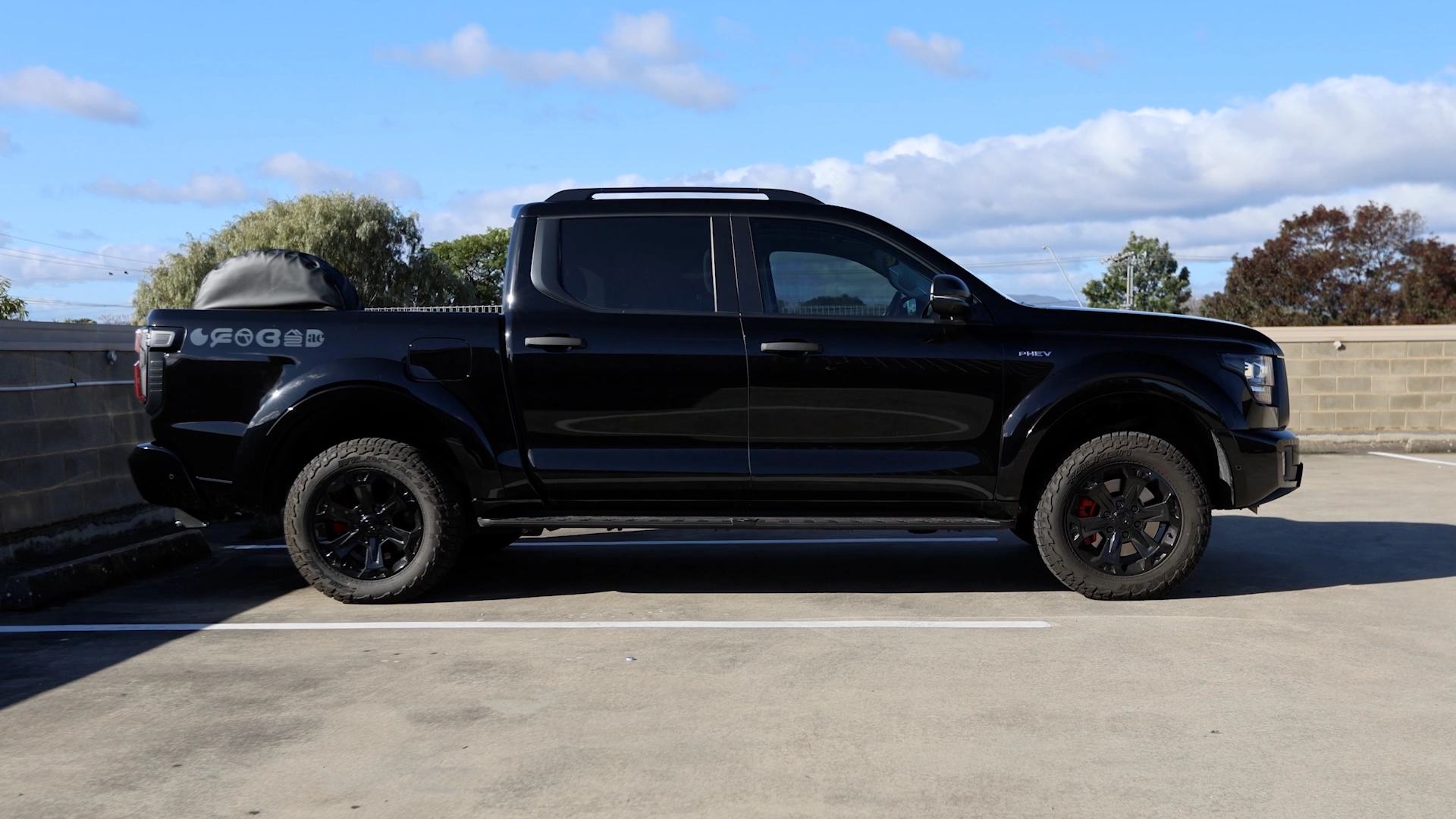
And finally, there's the sheer size of the vehicle. You quickly become accustomed to finding yourself sticking out of parking spaces. It's simply part of owning something this large.
Who Shouldn't Buy a Cannon Alpha PHEV?
As much as we enjoy our Cannon Alpha, I wouldn't recommend it to everyone.
If you're never going to charge the battery, you're unlikely to experience the full financial and driving benefits of its plug-in hybrid system.
Likewise, if your primary requirement is towing a large caravan across remote Australia, I'd carefully compare it with vehicles specifically suited to that type of work. We haven't tested the Cannon Alpha with a heavy caravan, so I can't offer a meaningful assessment of its performance under those conditions.
And while it offers serious four-wheel-drive equipment, the low factory tow bar is a consideration for anyone planning more demanding off-road adventures.
But if you're looking for a large, luxurious family vehicle that can operate electrically for everyday driving while offering the flexibility of petrol power for longer journeys, the Cannon Alpha makes a compelling case. Especially if you have access to regular home charging.
Would We Buy the GWM Cannon Alpha PHEV Again?
Absolutely. One hundred per cent.
When we started looking for a new family vehicle, a ute wasn't really part of the plan. We wanted something luxurious, comfortable, practical and capable of handling the occasional family adventure.
What we ended up with was a giant plug-in hybrid ute that somehow delivers all those things. It isn't perfect. There are frustrating software decisions, some overenthusiastic safety systems and a factory tow bar arrangement that compromises its off-road potential.
But those frustrations haven't changed how much we enjoy driving it.
Our Lexus EV has increasingly become the more formal, corporate choice. The Cannon Alpha is the one we reach for when we simply want to go somewhere. And perhaps that's the most telling part of this entire ownership experience.
The surprise wasn't how capable it was. The surprise was how quickly it became normal.
This vehicle sounded slightly ridiculous on paper. But somehow, it ended up fitting our lives perfectly.
This review reflects our personal experience with a privately owned 2025 GWM Cannon Alpha Ultra PHEV after approximately 10,000 kilometres. Our usage, charging arrangements and driving conditions may differ from those of other owners.