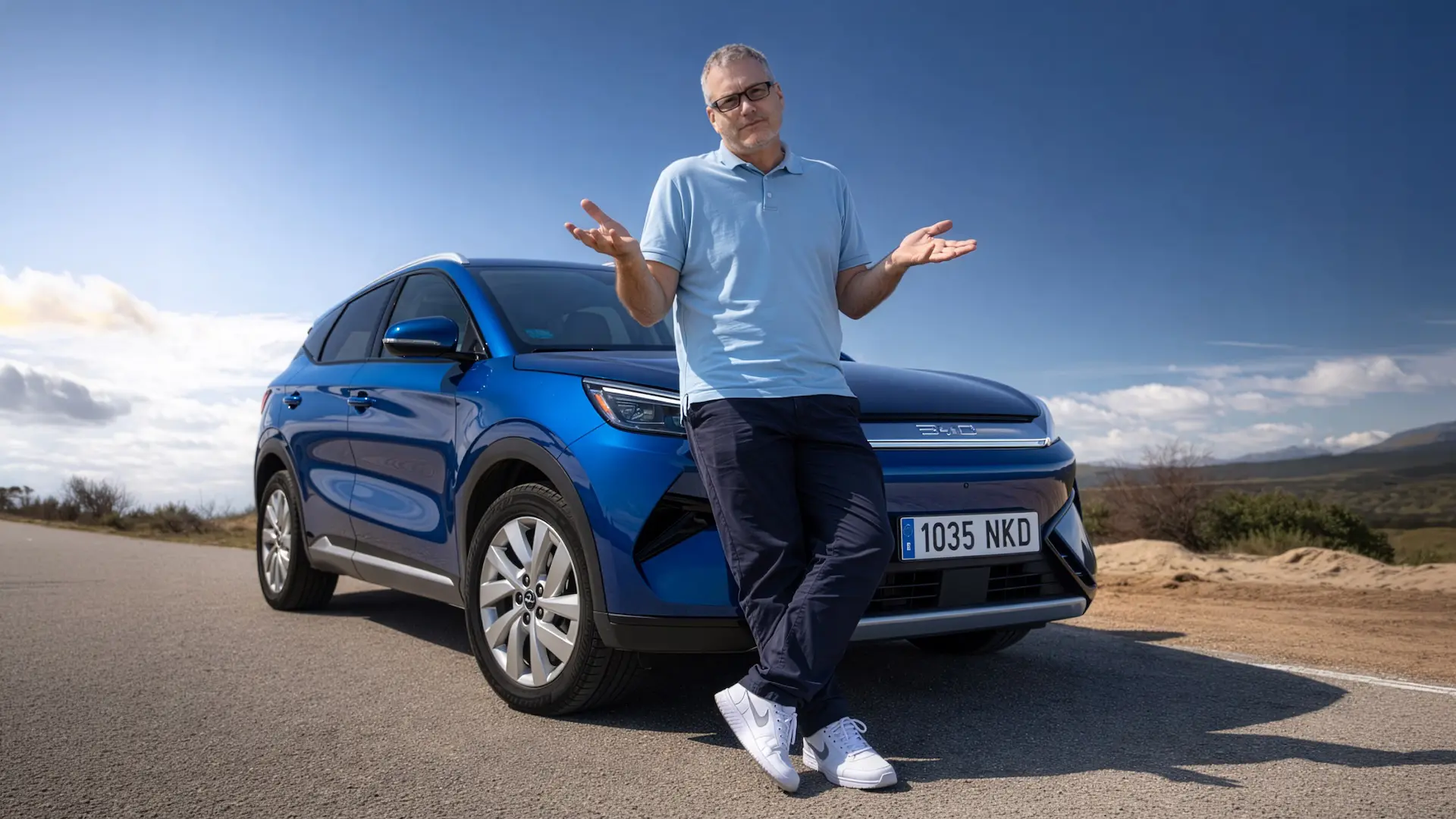
The BYD Atto 3 has always occupied an interesting place in the electric vehicle market. It wasn’t the fastest, the longest-range or the most luxurious EV you could buy. Instead, it succeeded by making electric motoring feel attainable.
For many buyers, it became the point where electric vehicles stopped feeling experimental and started feeling like a realistic everyday choice.
Now comes the 2026 BYD Atto 3 Evo.
At first glance, it looks like another mid-life update. Look a little closer, however, and it becomes clear this is much more than a cosmetic refresh. BYD has addressed many of the criticisms levelled at the original car, adding more range, faster charging, stronger performance and a significantly more refined ownership experience.
The question isn’t whether it’s better.
The question is whether it has arrived at exactly the right time—or just a little too late.
The Car That Helped Normalise EVs
The original Atto 3 was never a bad car. If anything, it became one of the vehicles that helped make electric cars feel a little more normal.
Rather than chasing premium buyers, BYD focused on value. The Atto 3 offered generous equipment, practical range and a price that encouraged people to consider an EV for the first time.
It wasn’t perfect. The range was competitive rather than class-leading. Charging speeds were acceptable rather than exceptional. Performance was perfectly adequate for everyday driving. And the interior… well, opinions were divided. Some loved the playful design. Others felt it tried a little too hard to be different.
The Atto 3 was always an easy car to recommend.
It just wasn’t an easy car to fall in love with.
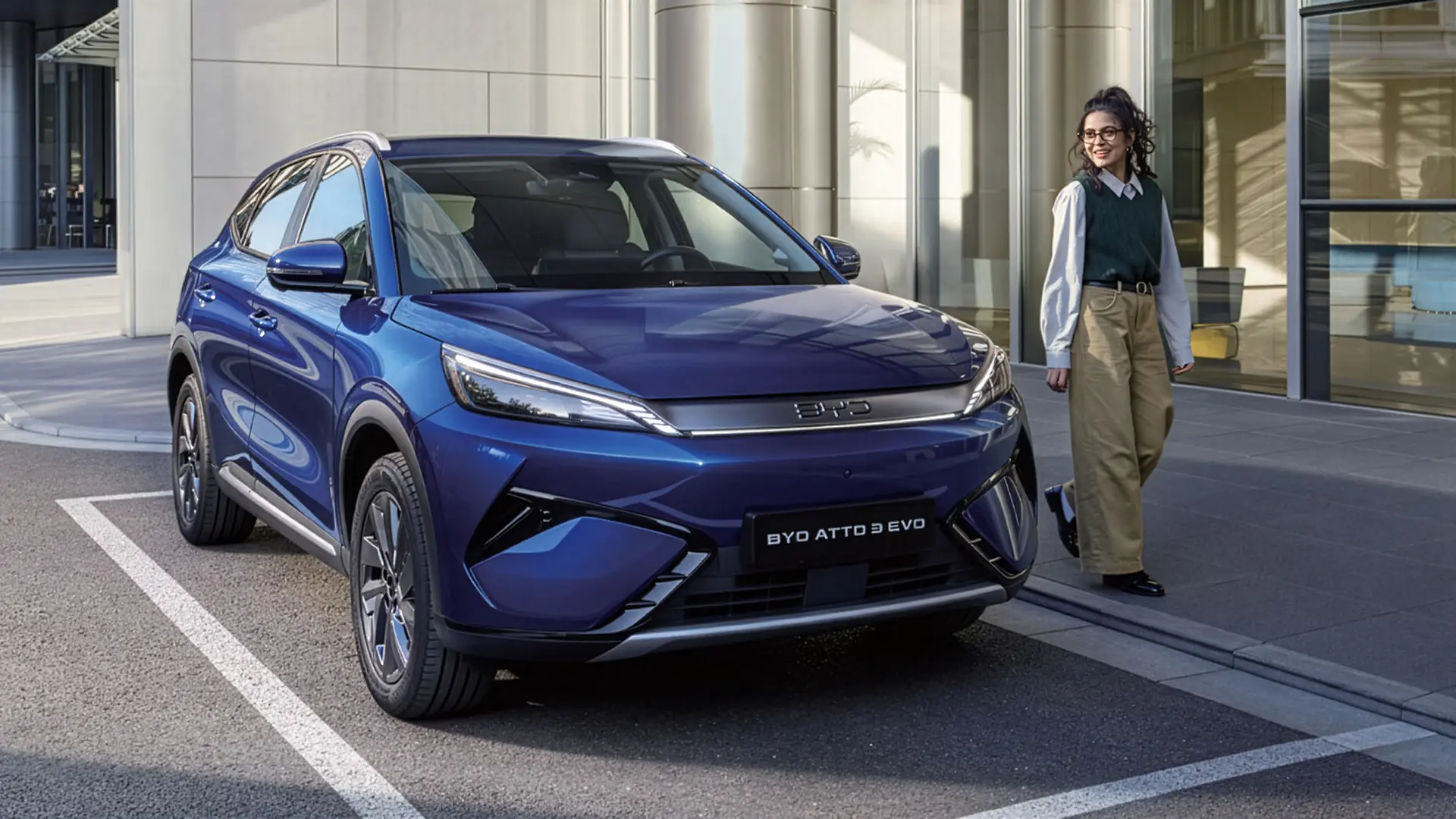
Evolution, Not Reinvention
Instead, it has refined almost every area that mattered.
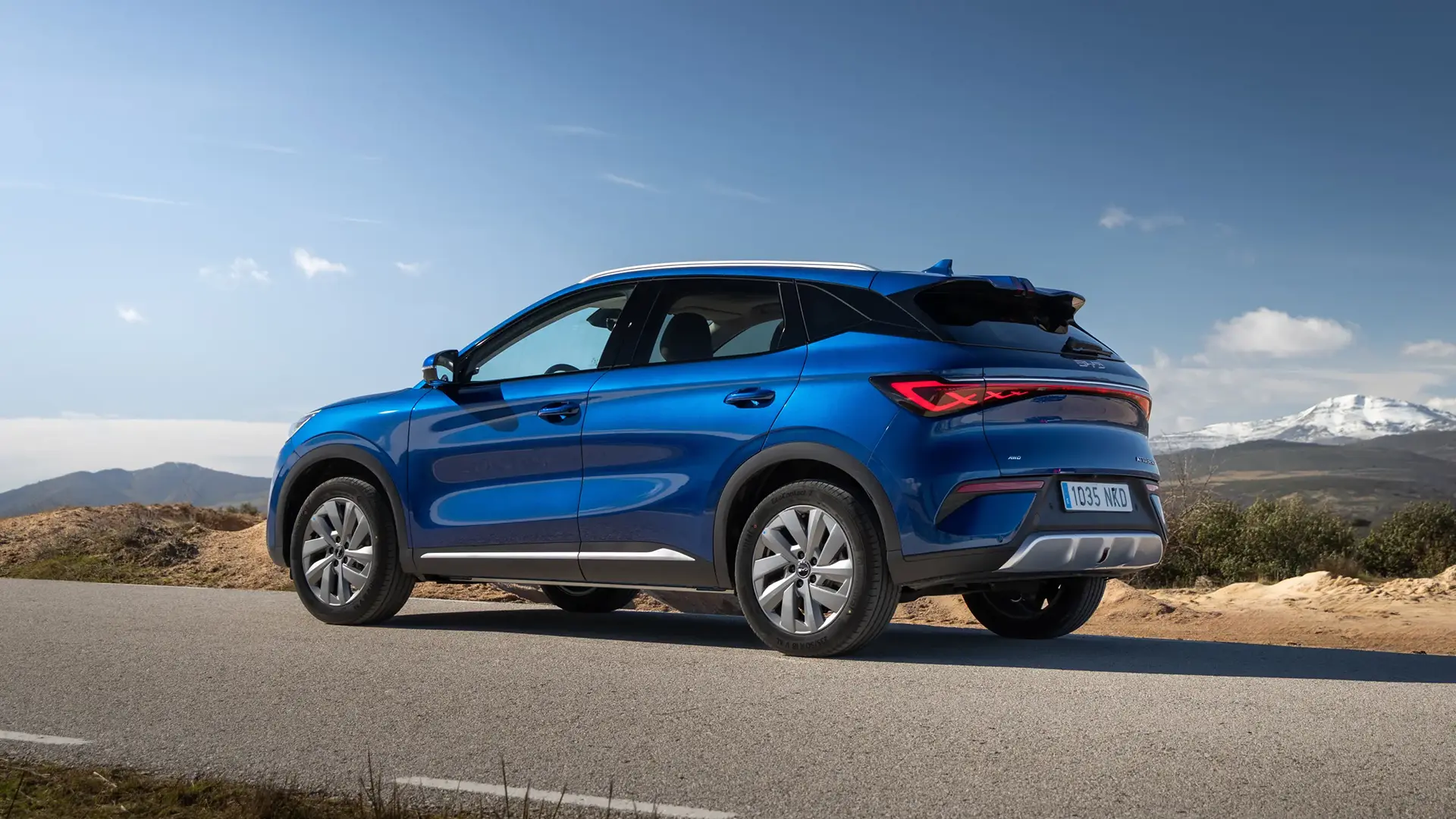
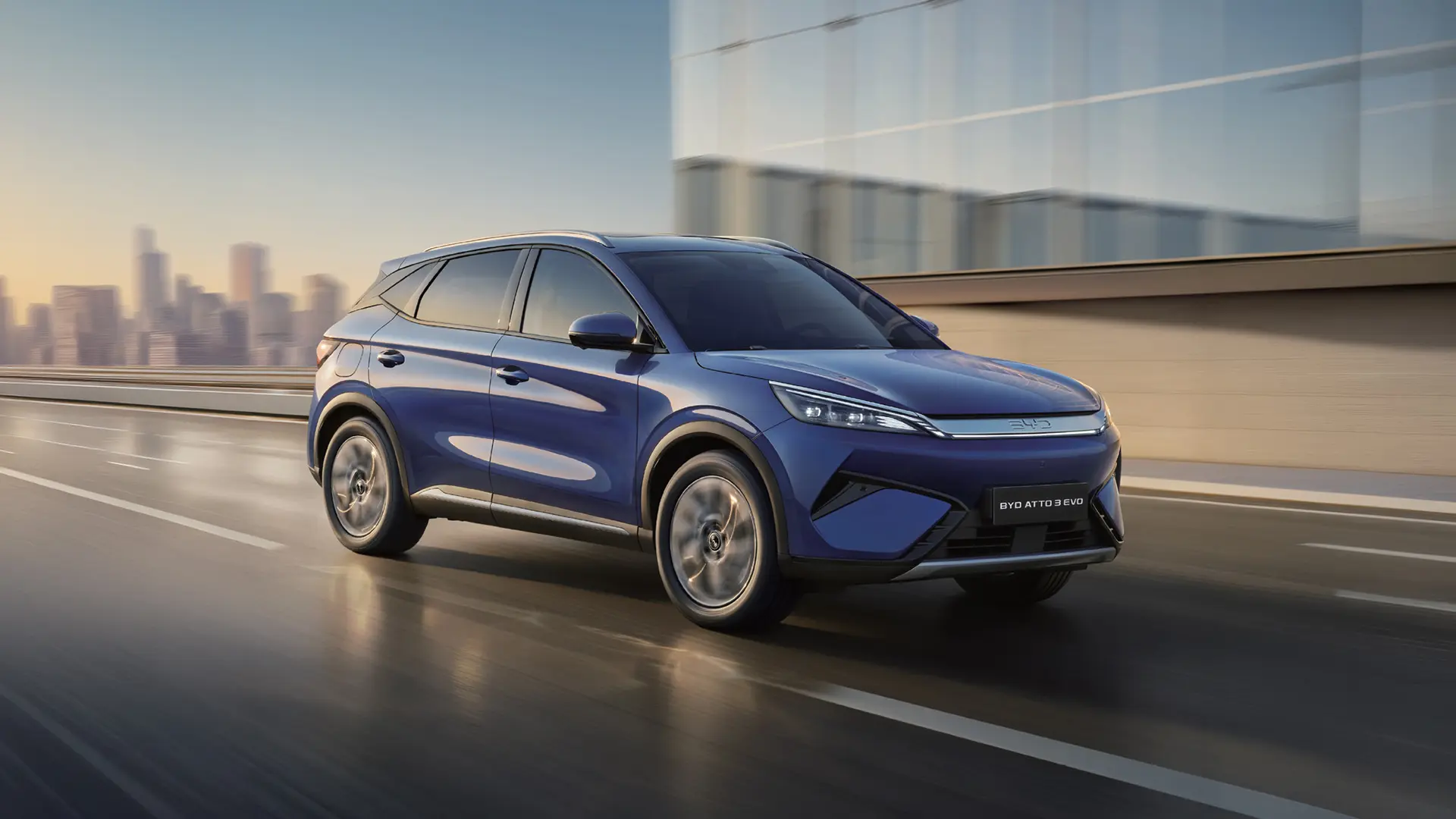
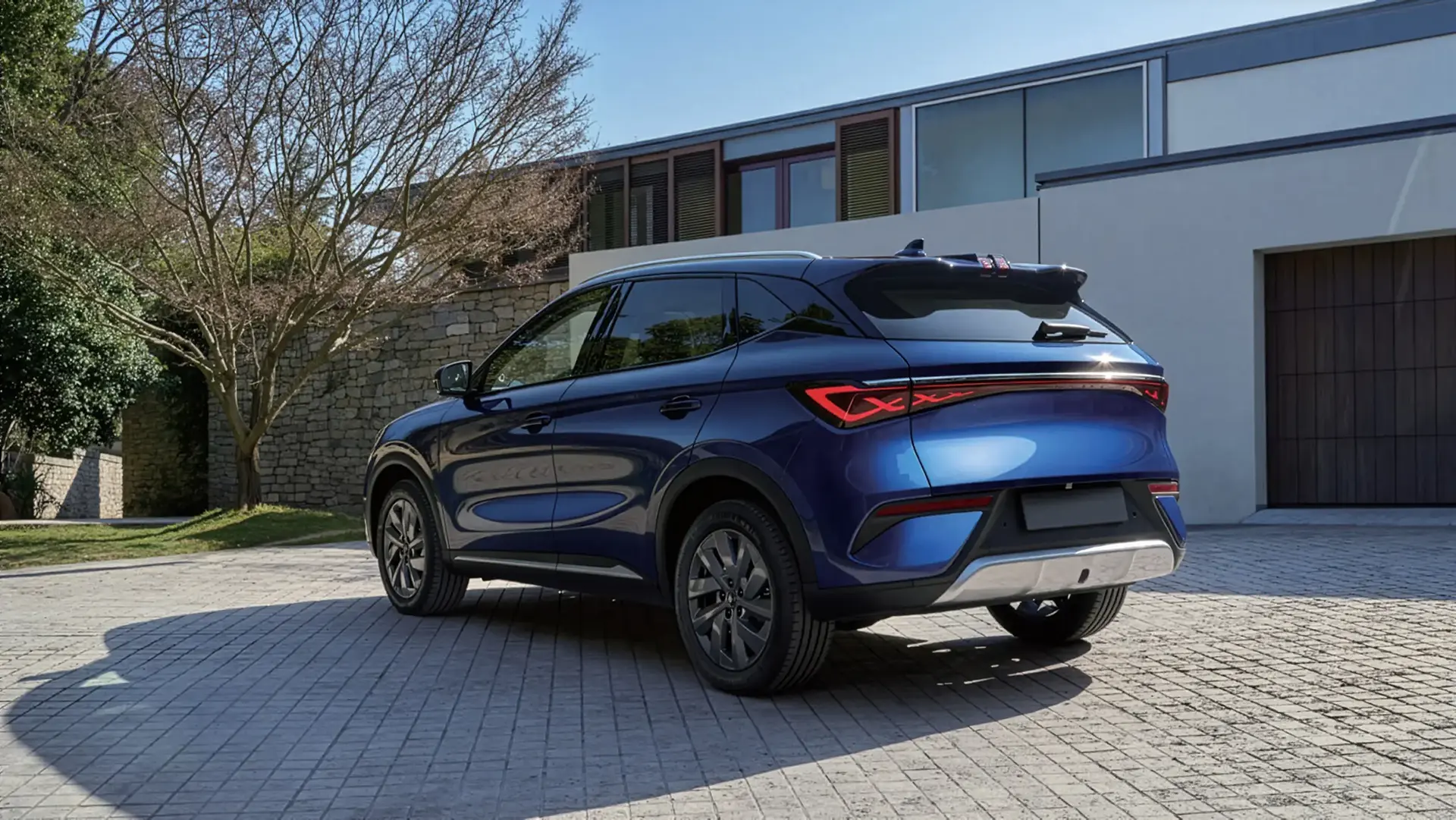
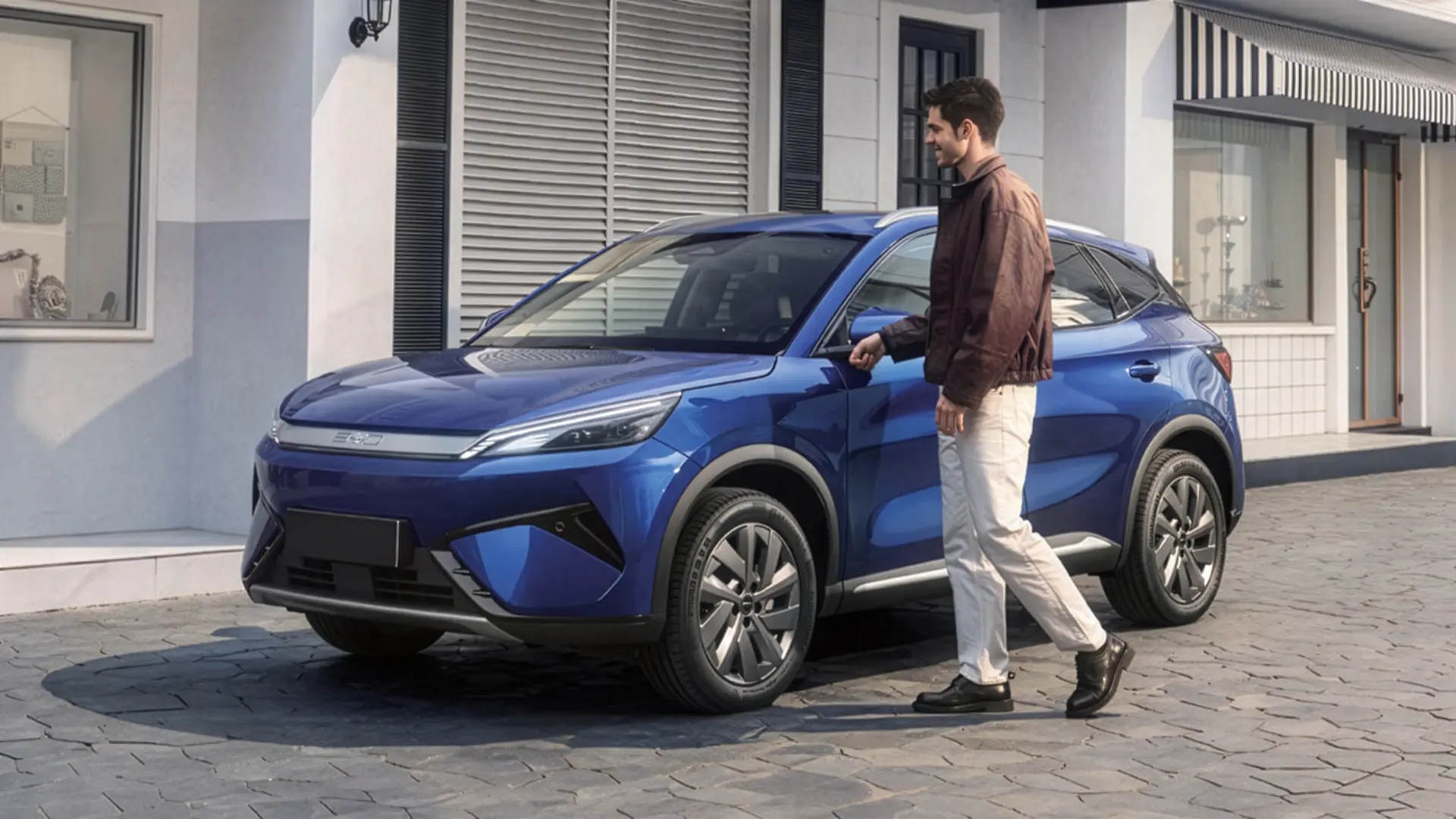
The exterior adopts BYD’s latest “Dragon Face” design language, giving the front of the vehicle a cleaner and more confident appearance. Around the back, a full-width LED light bar modernises the rear without dramatically changing the car’s identity.
It’s familiar.
Just… more resolved.
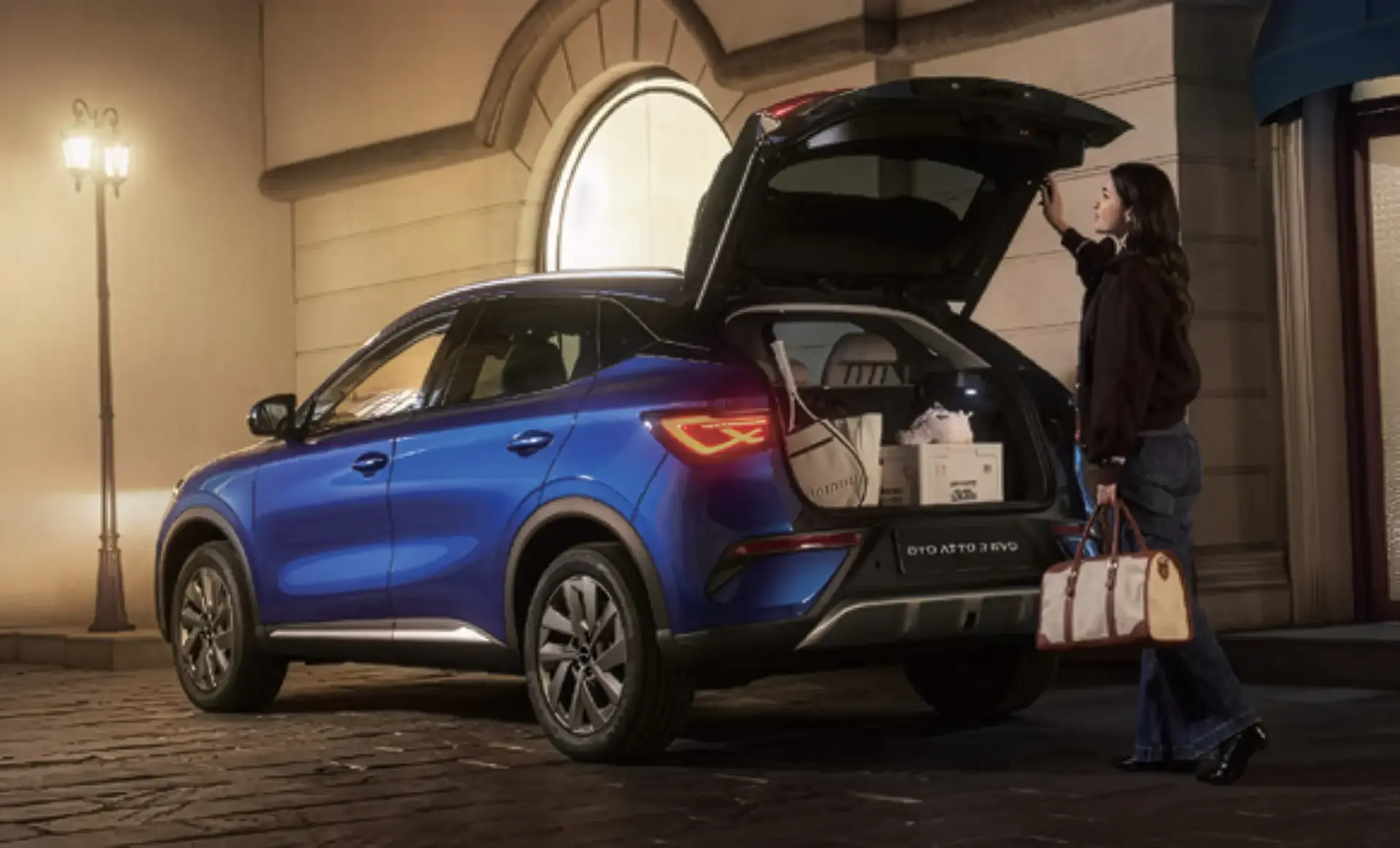
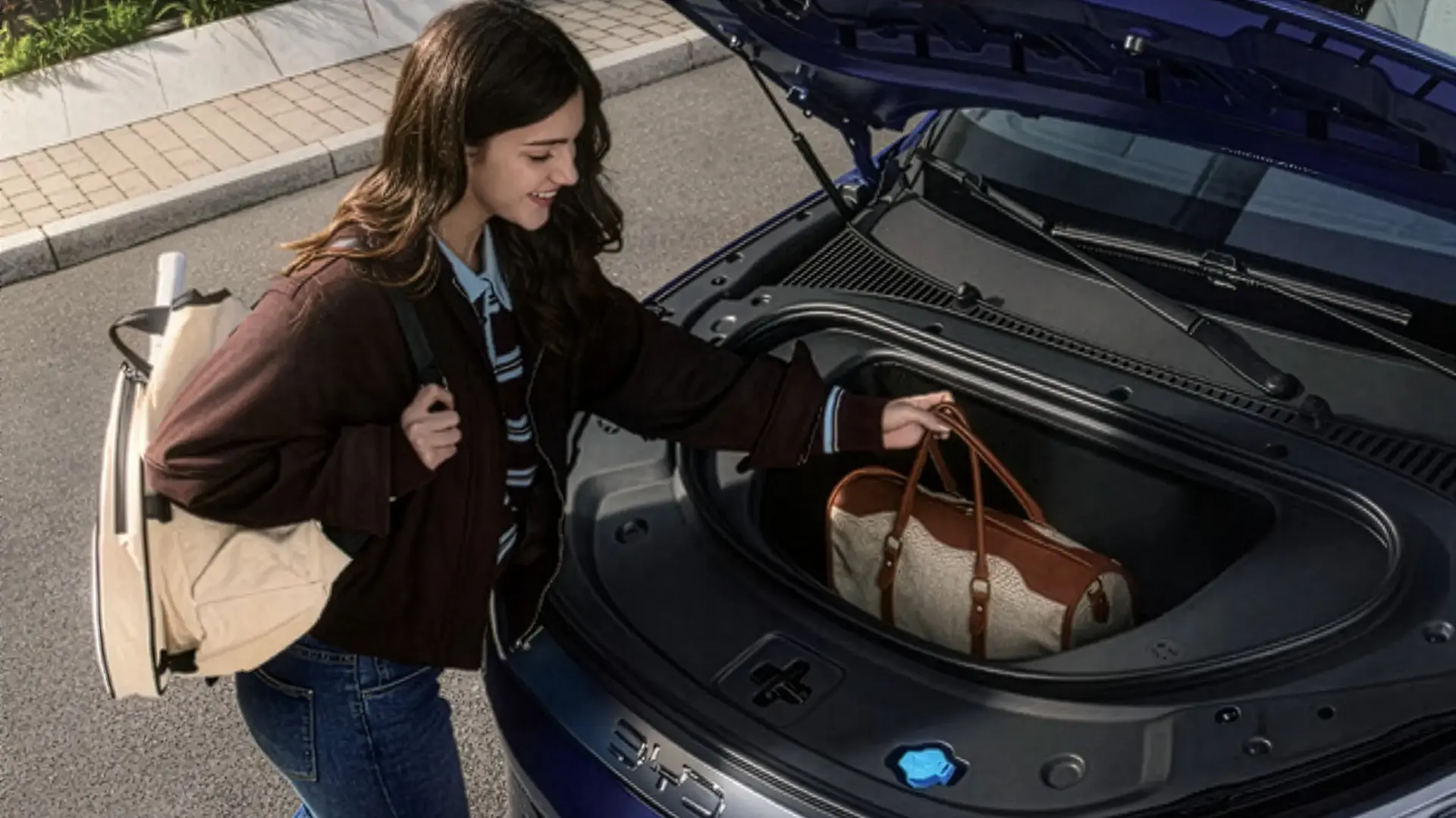
One particularly welcome addition is the inclusion of a front luggage compartment. It isn’t a huge storage space, but it makes everyday ownership that little bit easier, especially when carrying charging cables or smaller items.
These are the kinds of improvements that rarely dominate headlines but genuinely improve life with the car.

A More Mature Interior
The biggest transformation happens inside.
The original Atto 3 cabin became famous for its unconventional design. Guitar-string door pockets, organic shapes and playful details gave it plenty of personality, but not everyone appreciated the approach.
The Evo doesn’t abandon that personality entirely.
Some of those distinctive Atto 3 design cues remain.
The unusual shapes are still present.
The styling is still unmistakably BYD.
The difference is that everything now feels more controlled.
Less like the car is trying to stand out.
More like it knows exactly where it belongs.
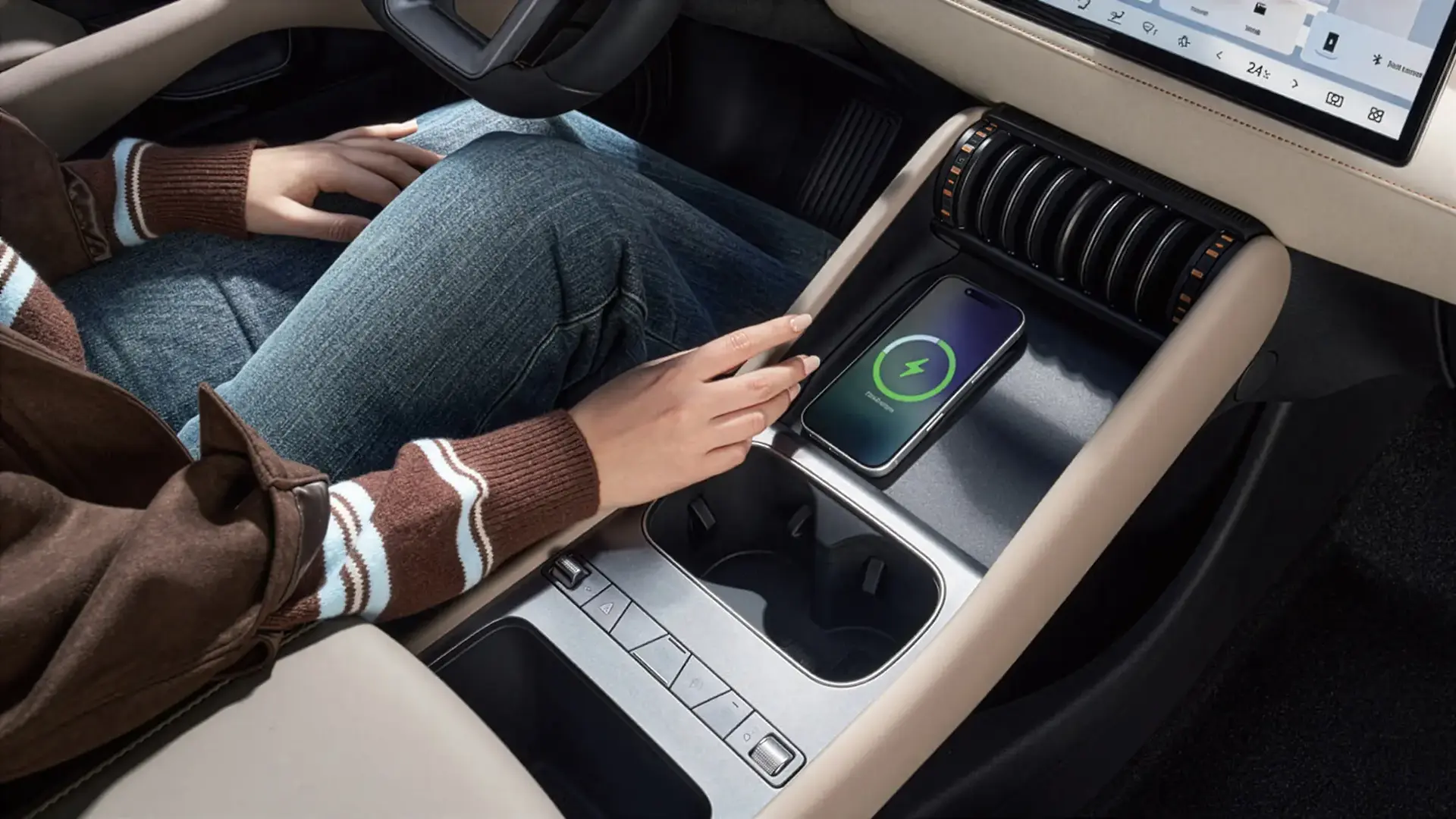
The dashboard feels cleaner.
The technology feels more cohesive.
And features such as Google built-in, wireless smartphone charging with cooling, heated and ventilated front seats, and improved connectivity make the cabin feel considerably more mature.
Rather than trying to impress with novelty, the Atto 3 Evo succeeds by simply making everyday use easier.
Removing Friction
What makes the Evo compelling isn’t any single feature.
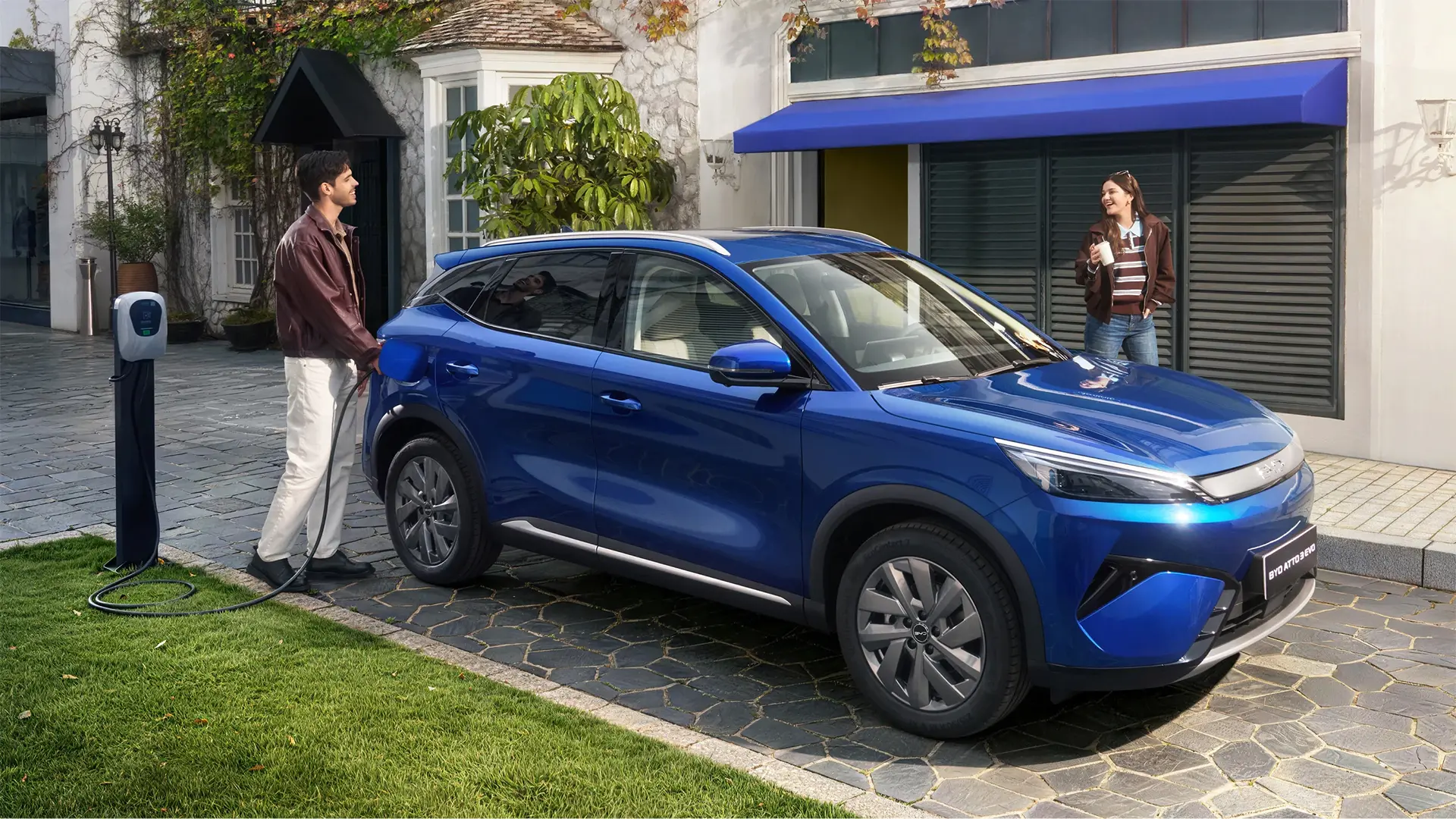
It’s the cumulative effect of lots of smaller improvements. Faster charging reduces waiting time. Additional range improves flexibility.
The updated technology integrates more naturally into daily life.
Each upgrade removes a little more friction from the ownership experience.
Performance has also taken a significant step forward. Where the original Atto 3 felt perfectly competent, the Evo now offers drivetrain options that dramatically expand its appeal. Suddenly, this isn’t just a practical EV.
It’s an enjoyable one too. That fundamentally changes how the Atto 3 should be viewed.
Previously, it was the sensible choice.
Now, it has the potential to become the desirable one.
But The Market Didn’t Wait
This is where the story becomes more interesting. While BYD has been improving the Atto 3, the rest of the electric vehicle market hasn’t been standing still.
Charging technology has advanced rapidly. Battery technology continues to evolve. Interior quality across the segment has improved.
Consumer expectations have shifted.
Buyers today know far more about EVs than they did only a few years ago.
So although the Atto 3 Evo is unquestionably a better car, it also enters a much more competitive market than the one that made the original such a success.
The benchmark has moved.
More Than An Update
It’s tempting to see the Atto 3 Evo as a routine facelift.
That would underestimate what BYD has achieved.
This feels more like a compressed product cycle.
Rather than making one headline improvement, BYD has addressed multiple weaknesses at once.
The result is a vehicle that feels substantially more complete without abandoning the formula that made it successful in the first place.
If pricing remains close to the outgoing model in global markets—as early indications suggest—the Atto 3 Evo becomes even more compelling.
Instead of simply catching up, it could begin undercutting much of the competition on value.
That changes the conversation entirely.
Final Thoughts
The 2026 BYD Atto 3 Evo may finally be the car the original always hinted it could become.
It is more refined. More capable. More practical. More competitive.
But perhaps the most fascinating question isn’t whether BYD has improved the Atto 3.
It’s whether the market has already moved on.
Sometimes the best version of a product arrives exactly when it’s needed.
Sometimes it arrives just after everyone else has caught up.
The Atto 3 Evo sits right on that line.
Whether it’s too late—or perfectly timed—will ultimately depend on how buyers value refinement against an EV market that’s evolving faster than ever.
One thing is certain, though. The Atto 3 has just become a much more serious contender.