For more than 25 years, the Toyota Highlander has quietly become one of the world’s most successful family SUVs. Known in Australia as the Toyota Kluger, it has built its reputation on practicality, reliability and family-friendly versatility rather than headline-grabbing performance.
Now, the Highlander is entering its biggest transformation yet.
For 2027, Toyota has revealed the fifth-generation Highlander—and for the first time in its history, it’s powered exclusively by electricity.
There is no petrol engine.
No hybrid alternative.
Just battery electric.
For one of Toyota’s most recognisable family vehicles, that’s a significant moment.
From Crossover Pioneer to Electric Flagship
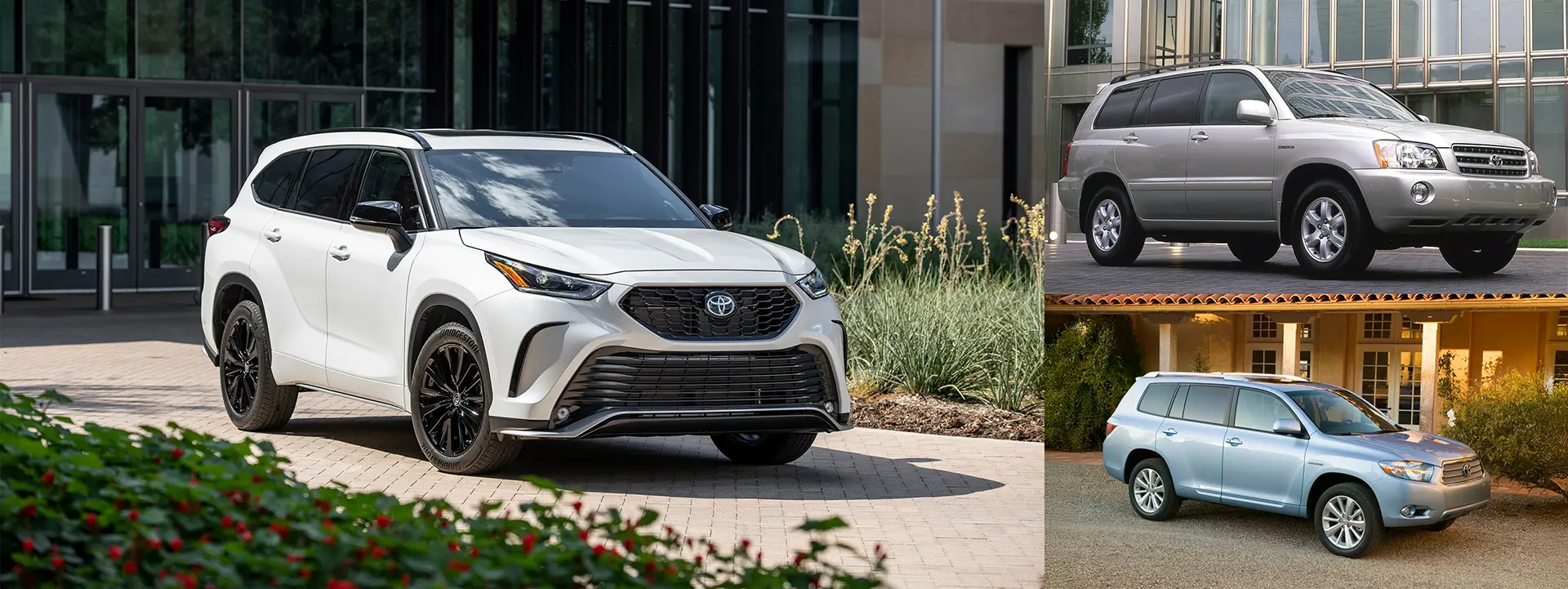
When the Highlander first arrived in 2001, it was something of an experiment.
Built on a passenger car platform derived from the Toyota Camry, it offered families an alternative to traditional body-on-frame four-wheel drives. It was easier to drive, more comfortable on-road and helped define what would eventually become the modern crossover SUV.
Five years later, Toyota introduced the Highlander Hybrid, making it one of the first hybrid SUVs available anywhere in the world.
Now, almost two decades after that milestone, Toyota is taking the next logical step by removing the combustion engine altogether.
The fifth-generation Highlander becomes Toyota’s first dedicated three-row battery electric SUV for the North American market, signalling just how seriously the company is embracing the transition to electric mobility.
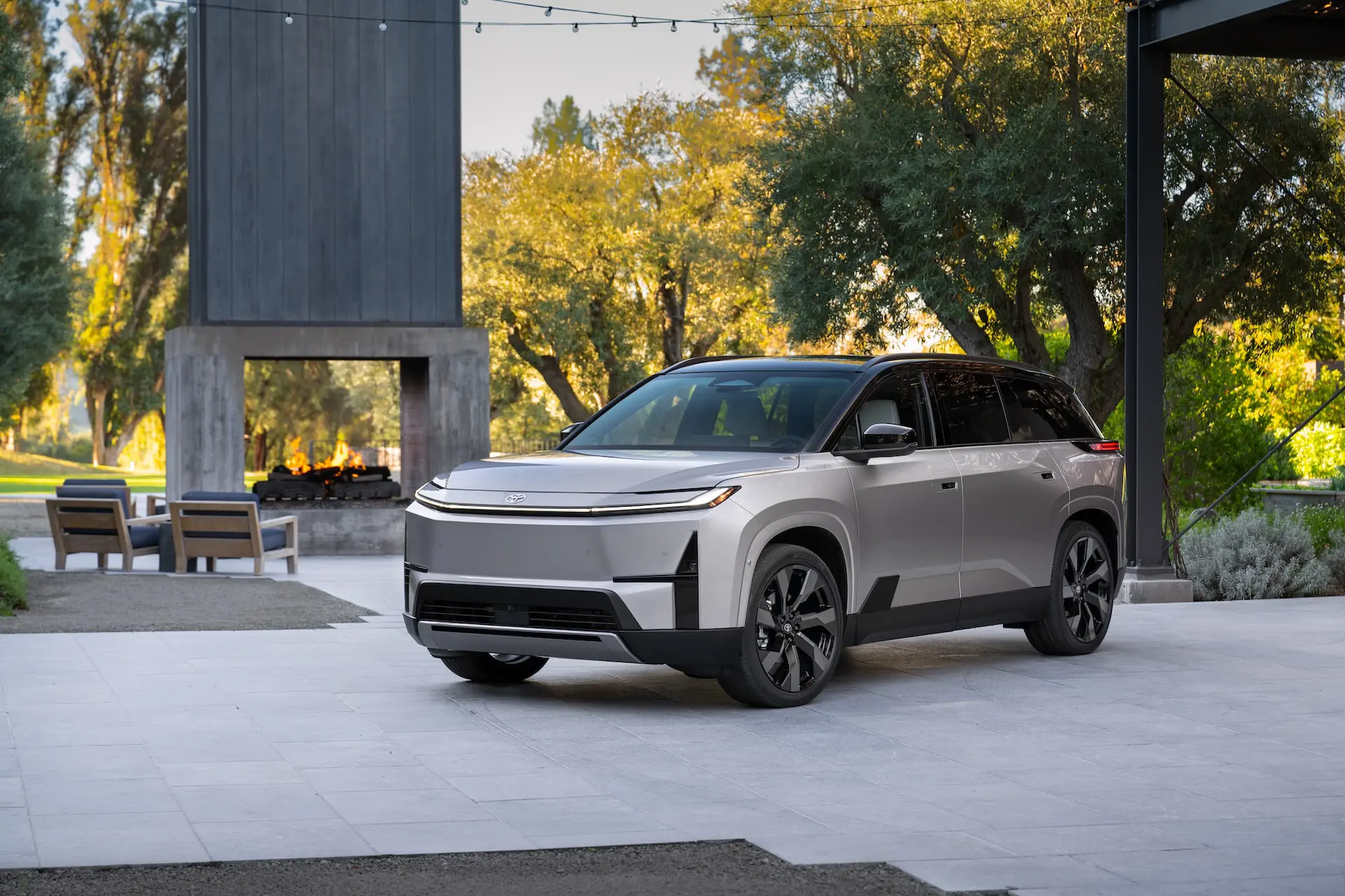
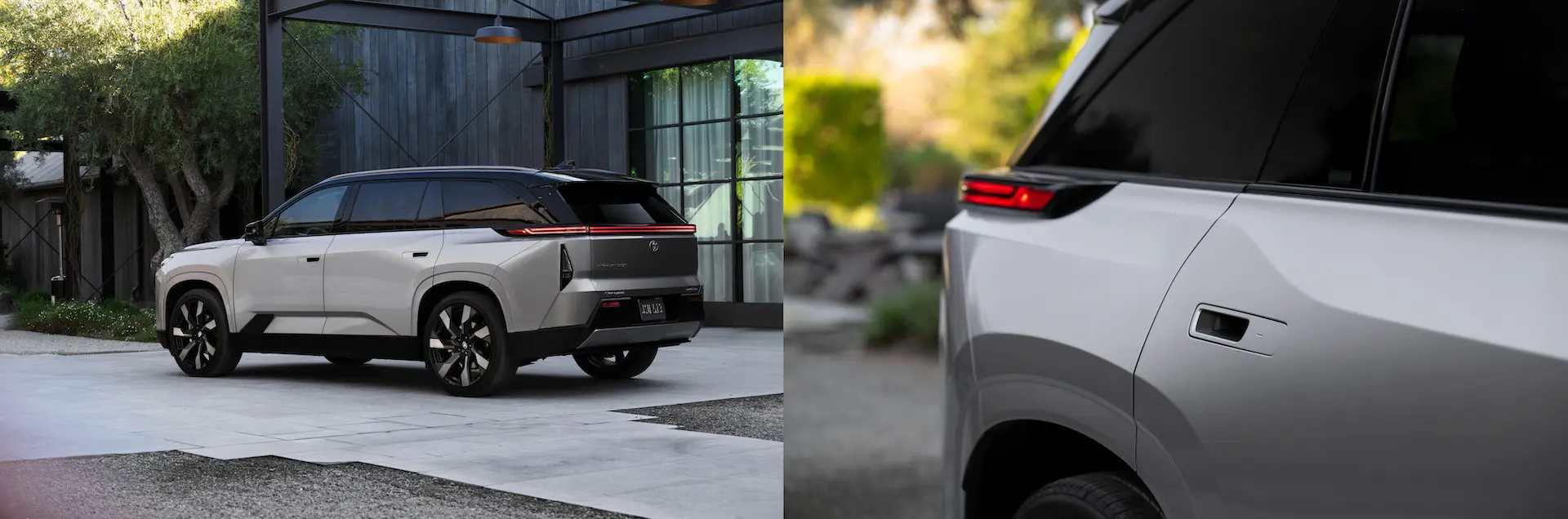
Bigger, Lower and Designed as an EV
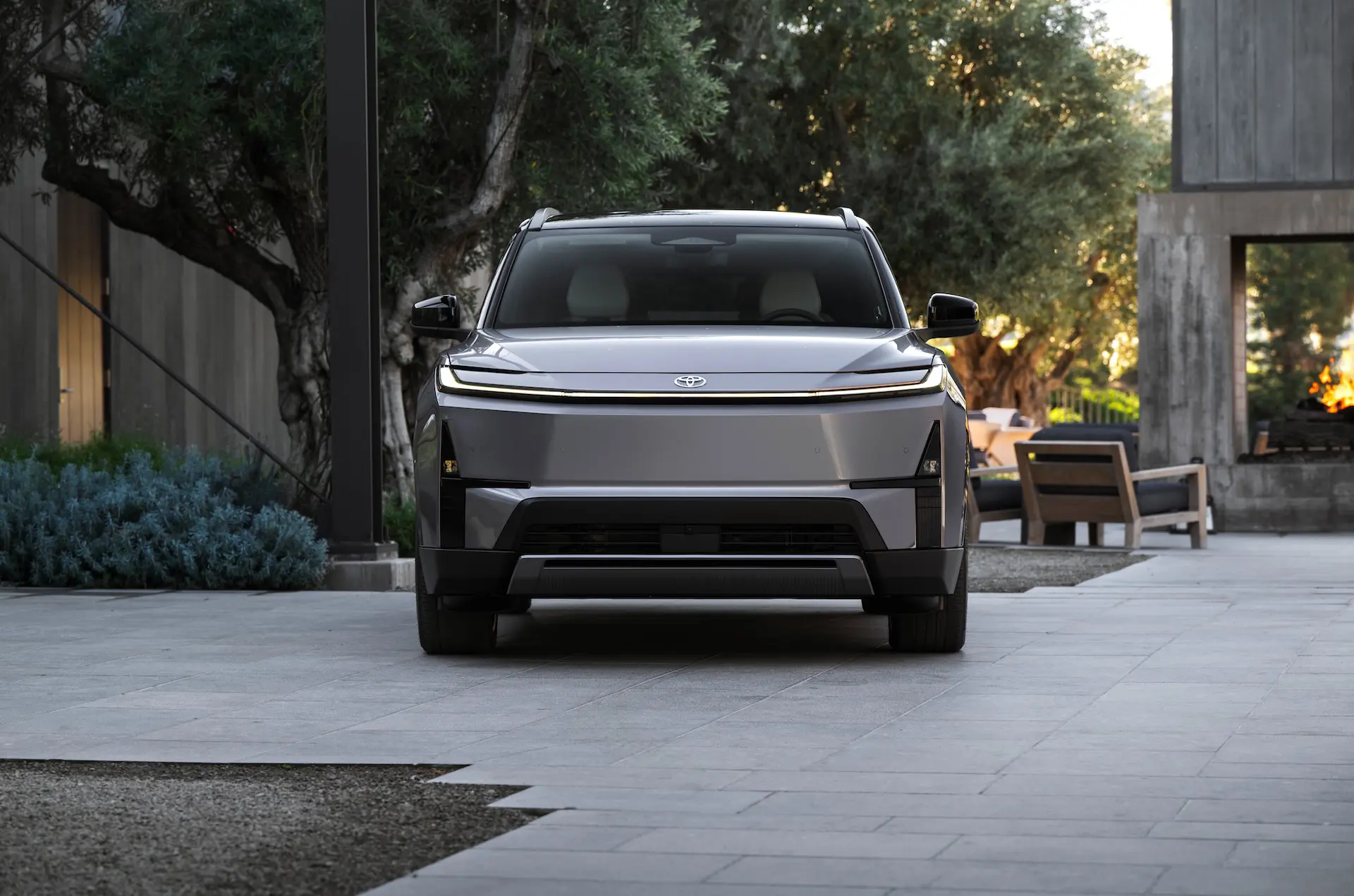
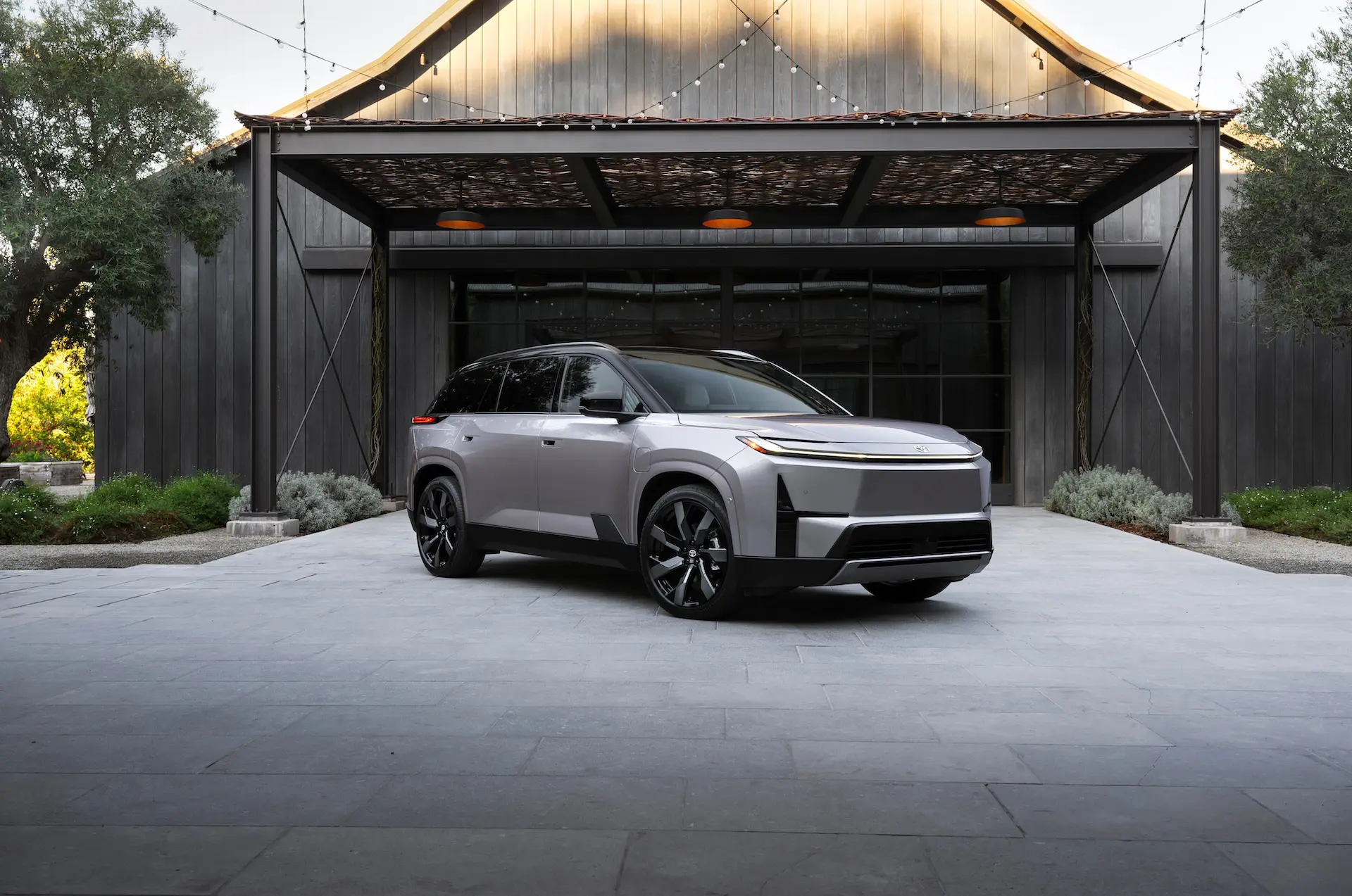
The visual changes are immediately obvious.
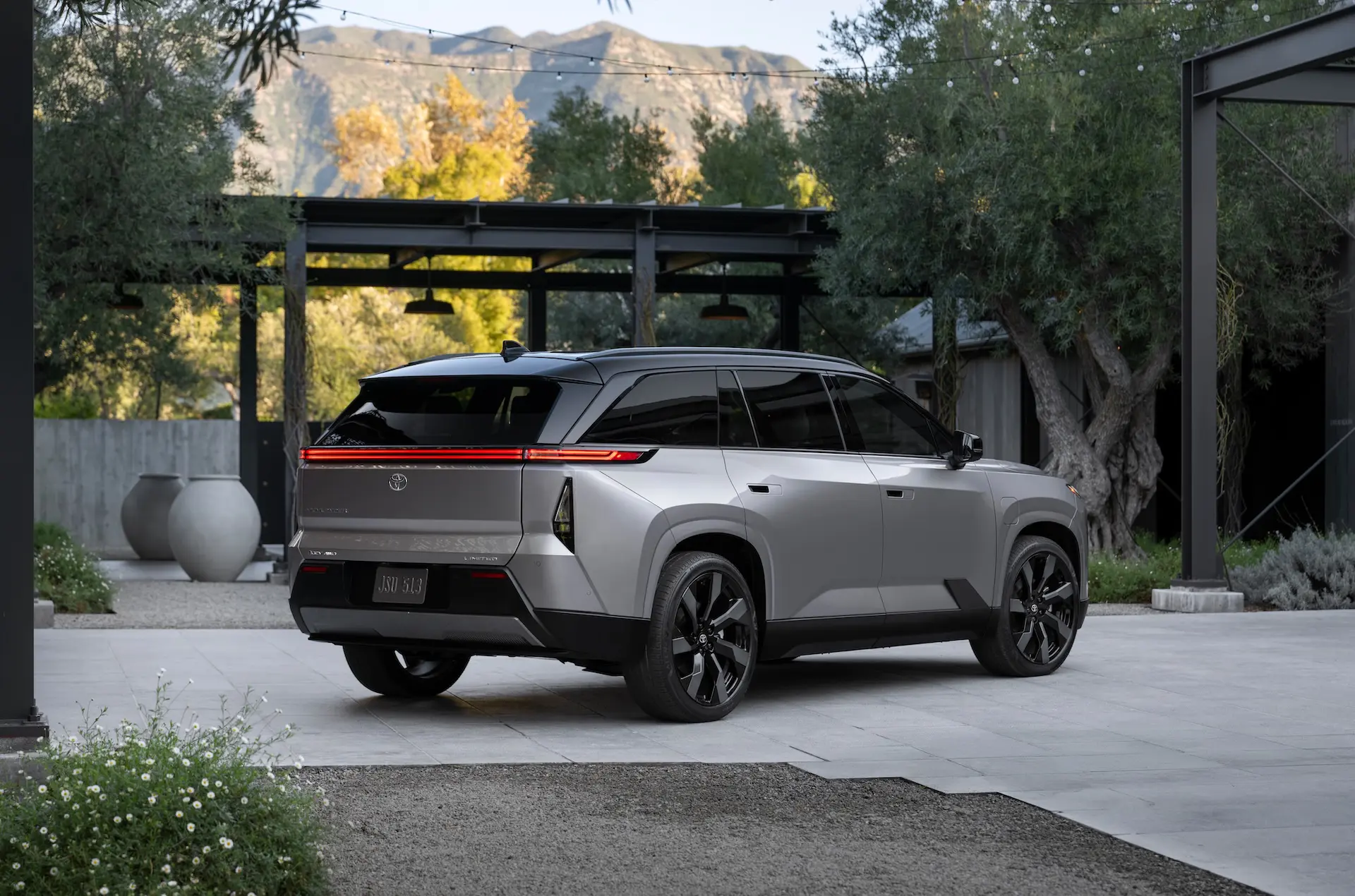
The new Highlander sits lower than its predecessor while growing noticeably wider, giving it a more planted and athletic stance. Its longer wheelbase pushes the wheels closer to each corner, creating proportions that feel more premium than previous generations.
At the front, Toyota’s latest hammerhead design language makes another appearance, with slim LED daytime running lights positioned above the main headlamp units.
Semi-flush door handles, cleaner body surfaces and a grille focused on airflow rather than engine cooling reinforce one important fact.
This Highlander wasn’t adapted to become electric.
It was designed that way from the very beginning.
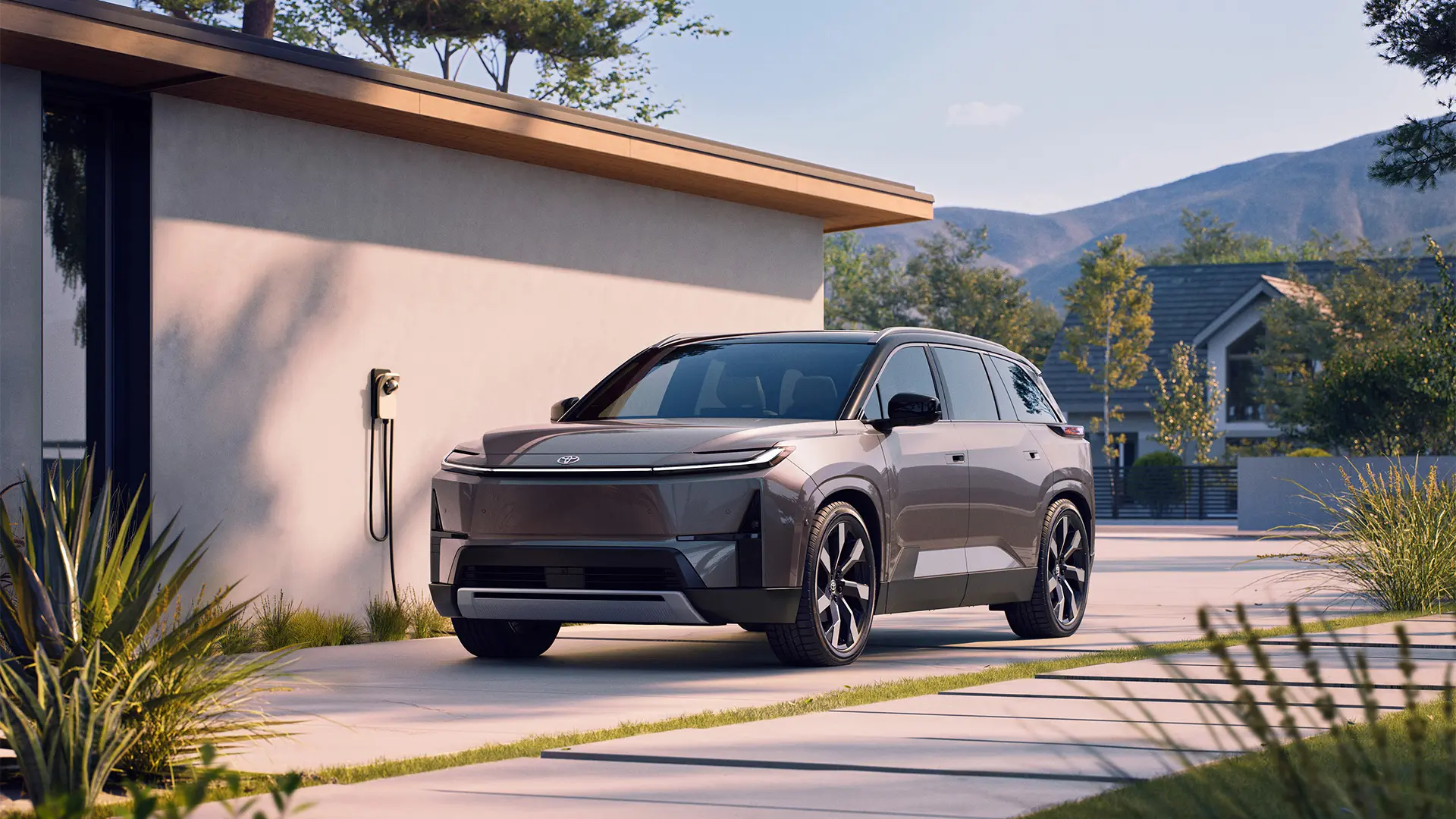
Up to 515 Kilometres of Driving Range
Beneath the bodywork is a heavily revised version of Toyota’s TNGA-K architecture, engineered to accommodate a large battery pack without sacrificing interior practicality.
Buyers will have a choice of two battery sizes.
The entry model receives a 77kWh battery, while higher grades feature a larger 95.8kWh pack capable of delivering up to 320 miles (approximately 515 kilometres) of driving range.
Performance also takes a healthy step forward.
All-wheel drive models produce up to 338 horsepower, while DC fast charging allows the battery to recharge from 10 to 80 per cent in around 30 minutes under ideal conditions.
Toyota has also incorporated battery preconditioning, plug-and-charge capability and vehicle-to-load functionality, allowing owners to power appliances or provide emergency backup power when required.
hese aren’t simply new features—they represent a fundamental shift in how a family SUV can be used.
Still a Family SUV First
Despite the move to electric power, Toyota hasn’t abandoned the qualities that made the Highlander successful in the first place.
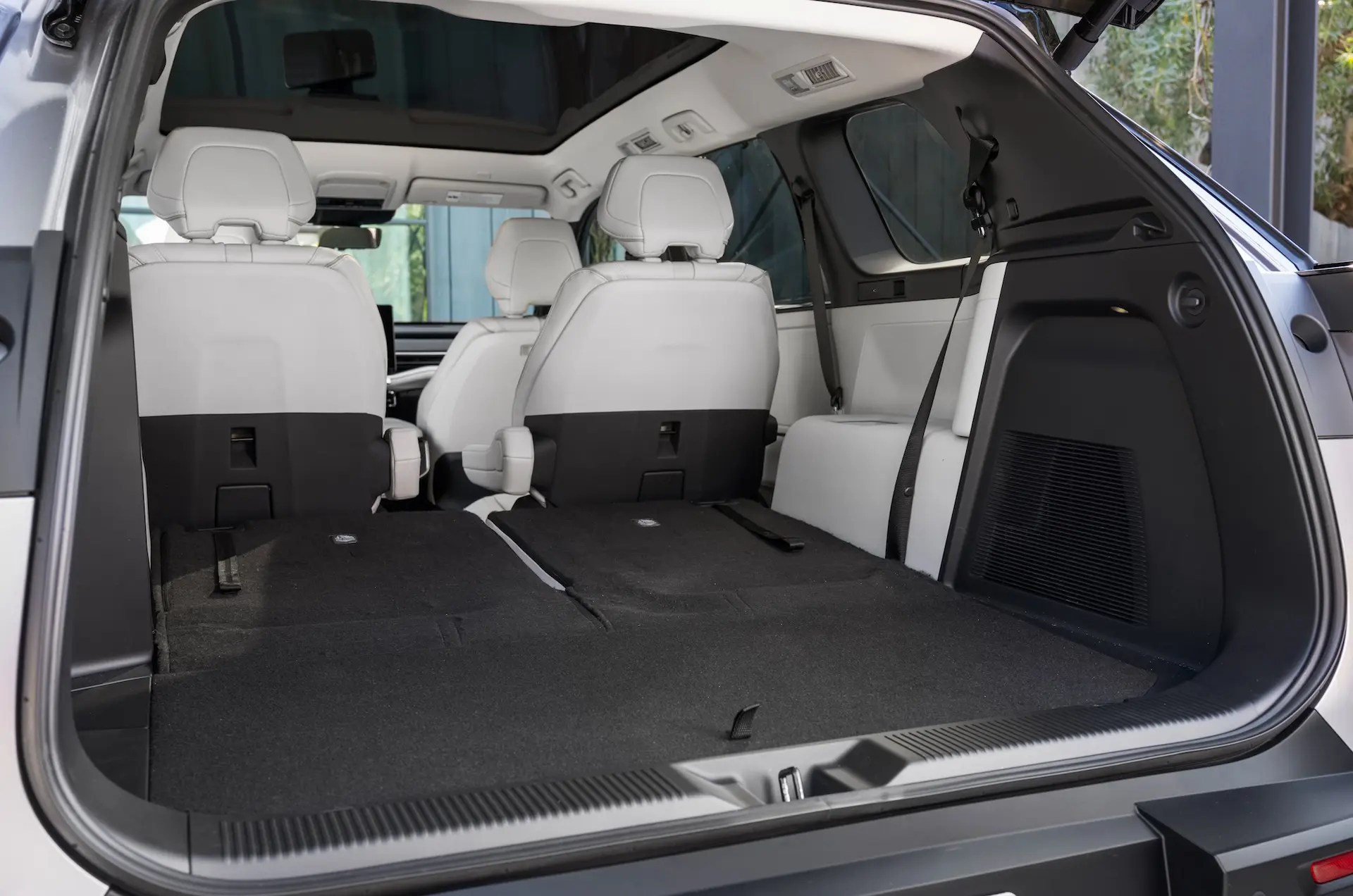
It remains a genuine three-row SUV with seating for up to seven passengers and more than 45 cubic feet of cargo space with the third row folded.
Rather than positioning it as an EV for early adopters, Toyota appears to have focused on making the transition to electric ownership as seamless as possible for existing Highlander families.
It’s still practical.
Still spacious.
Still designed around everyday family life.
The difference is simply what’s powering it.
A Cabin Built for Modern Families
Inside, the transformation continues.
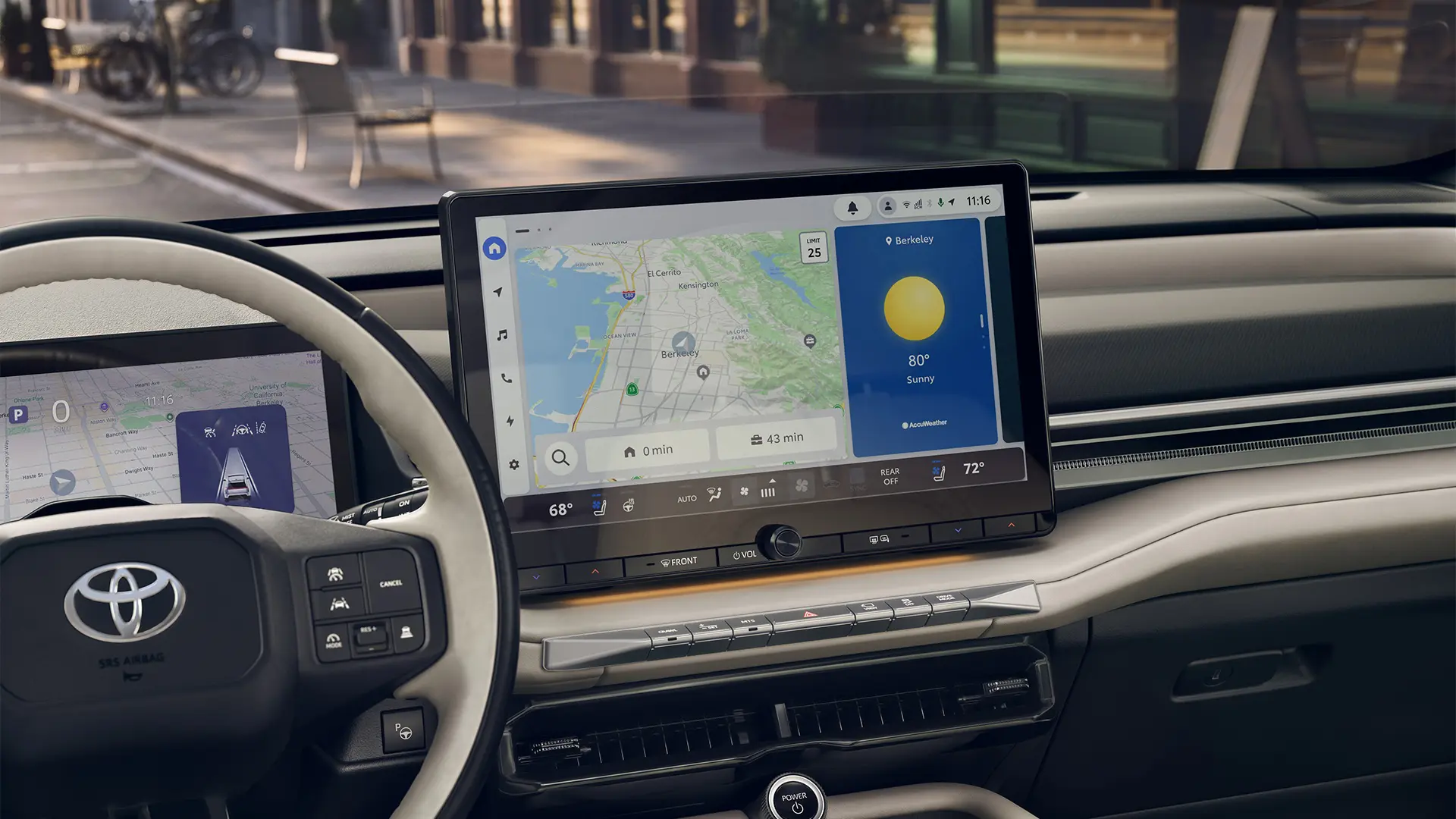
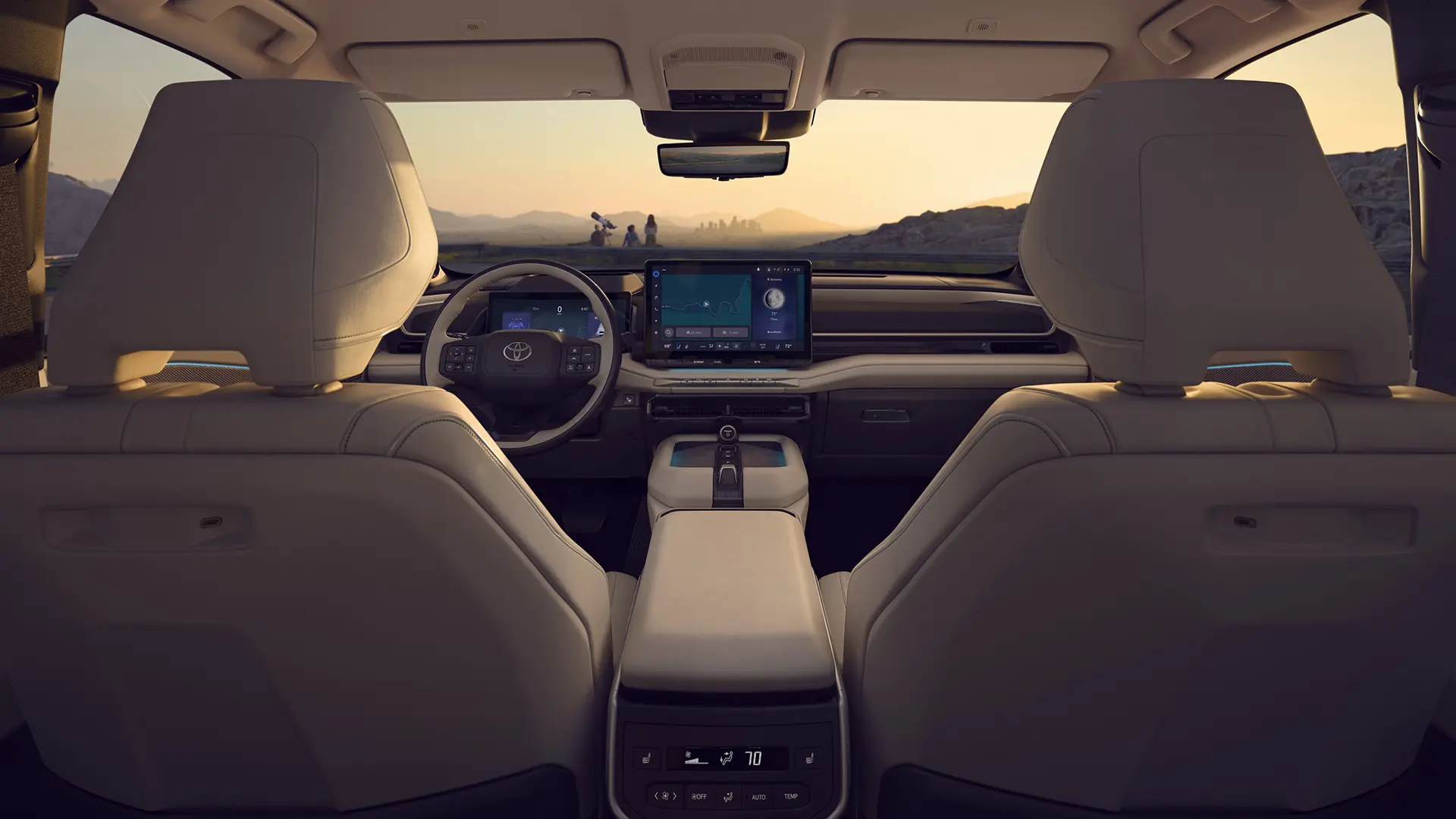
A new 14-inch central touchscreen becomes the focal point of the dashboard, complemented by a 12.3-inch digital instrument display and an available head-up display on higher specification models.
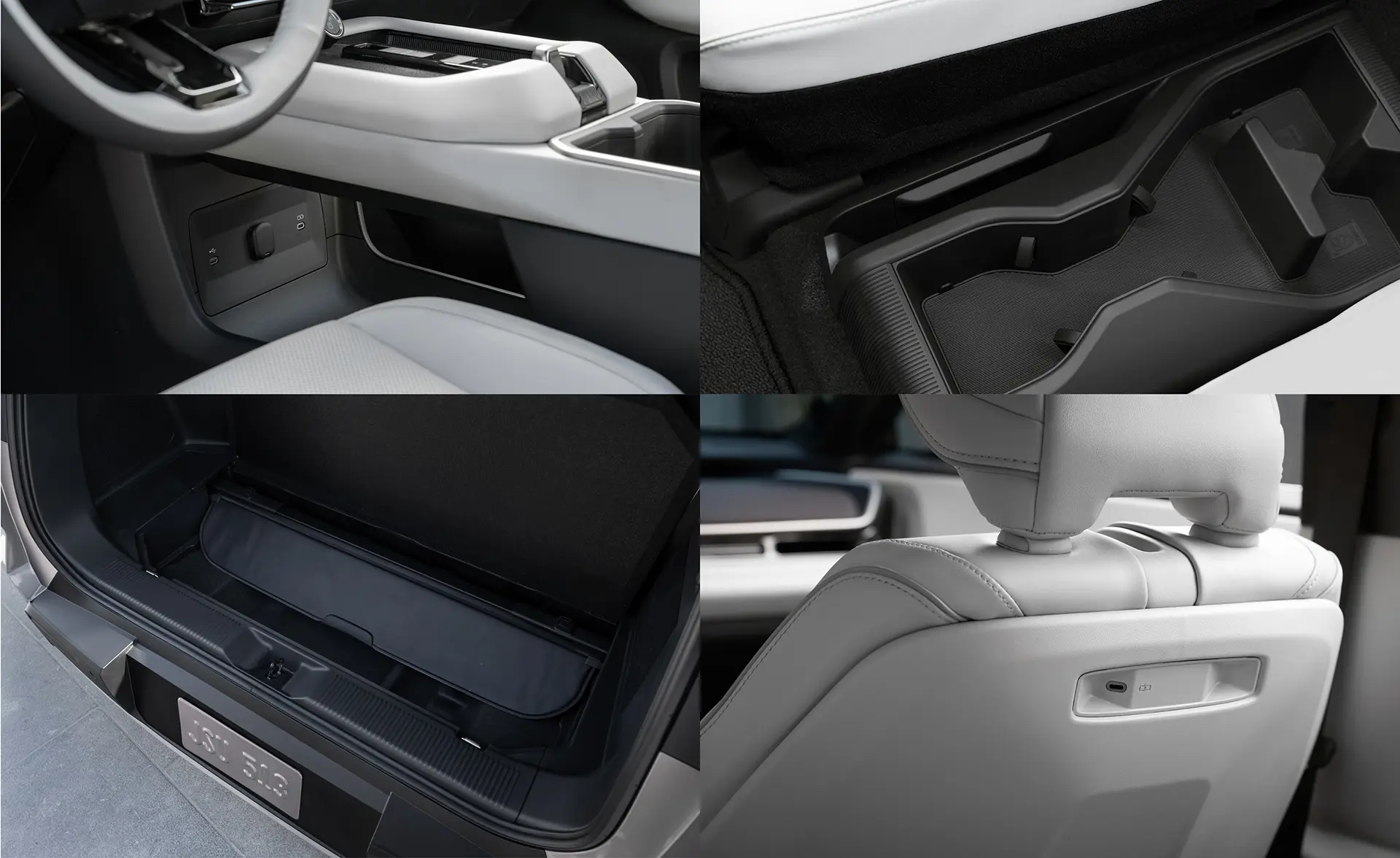
Ambient lighting now offers 64 colour options, while dual wireless phone chargers, USB-C connectivity throughout the cabin and a redesigned centre console improve everyday usability.
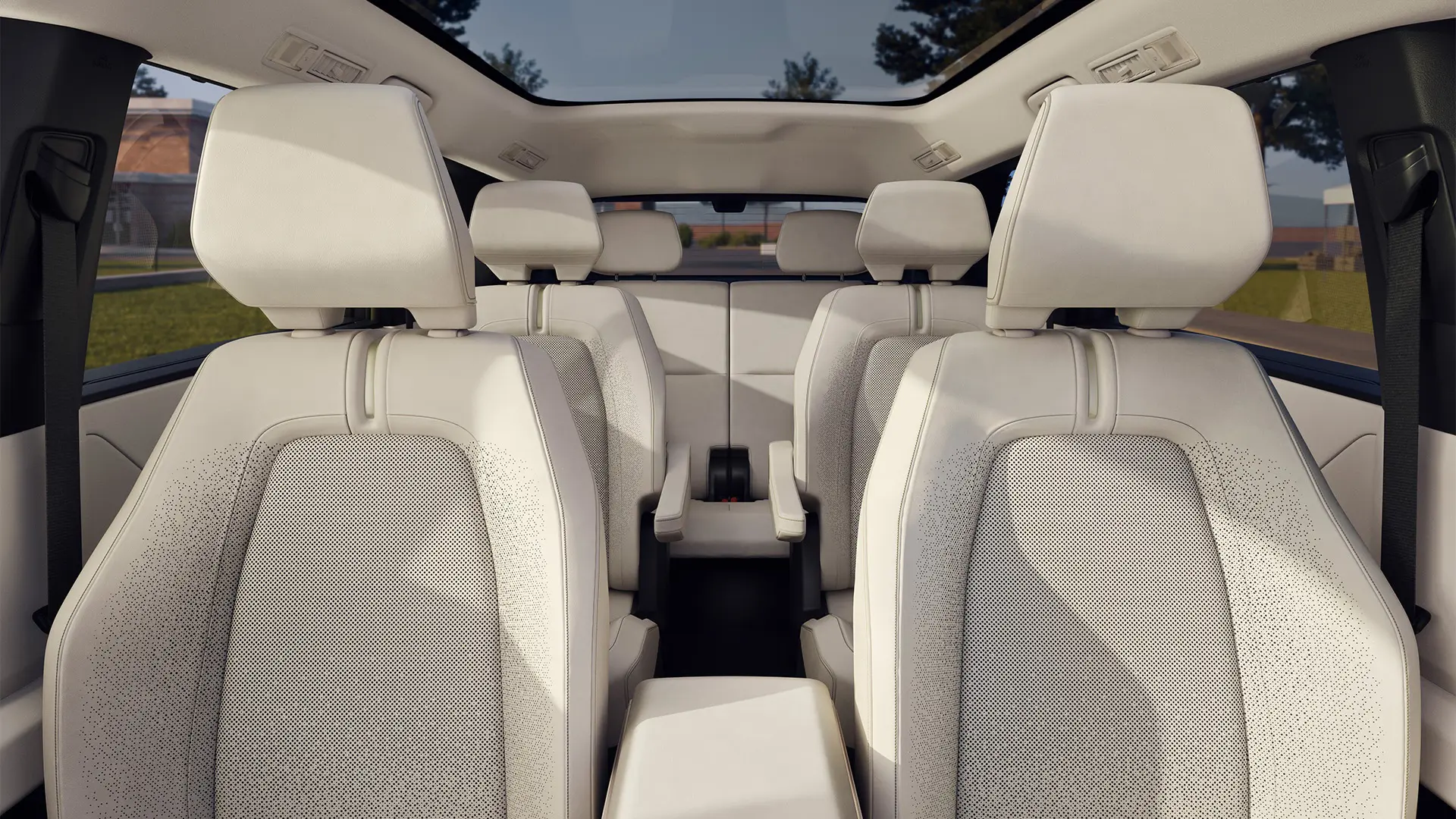
Second-row captain’s chairs are standard on many grades, with a bench seat available for buyers wanting maximum passenger capacity.
Toyota Safety Sense 4.0 also becomes standard, bringing the latest generation of the company’s driver assistance technologies to every model.
Together, these changes move the Highlander well beyond Toyota’s traditionally conservative interior design philosophy.
What Does This Mean for Australia?
For Australian buyers, the biggest question isn’t what the Highlander has become—it’s whether the Kluger will follow.
The current Toyota Kluger has established itself as one of Australia’s most popular hybrid family SUVs, and Toyota Australia has invested heavily in hybrid technology across its local range.
Will Australia receive this fully electric Highlander?
Will hybrid and battery electric models coexist?
Or will Toyota continue tailoring the Kluger specifically for Australian conditions and buyer preferences?
Those questions remain unanswered.
The Evolution Continues
Looking back over the Highlander’s history, the 2027 model represents more than just another new generation.
It marks the latest step in a journey that began with a Camry-based crossover in 2001, evolved into one of the world’s pioneering hybrid SUVs, and now enters the battery electric era.
Whether buyers are ready to leave hybrid behind remains to be seen. But one thing is certain. The Highlander is no longer simply following automotive trends.
It’s helping define where the modern family SUV is heading next.